Chocolate packing guide for materials, labels, and shelf life

a[data-rs-seo-link]{text-decoration:underline!important;color:#1a56db!important;cursor:pointer!important;}a[data-rs-seo-link]{text-decoration:underline!important;color:#1a56db!important;cursor:pointer!important;}
What chocolate packing needs to do
Chocolate packing has to protect a sensitive food product, carry legally important information, and present the brand clearly at the point of sale. A good pack is more than an attractive wrapper. It should help limit moisture, oxygen, light, odor pickup, heat-related quality loss, crushing, and label errors that can lead to recalls or customer complaints.
For most chocolate bars, tablets, pralines, and seasonal confectionery, the practical choice is a balance of barrier performance, machine compatibility, recyclability, print quality, cost, and the markets where the product will be sold. A pack that works for a short-run gift carton may not be suitable for a high-speed flow-wrap line, humid export market, or warm-weather e-commerce shipment.
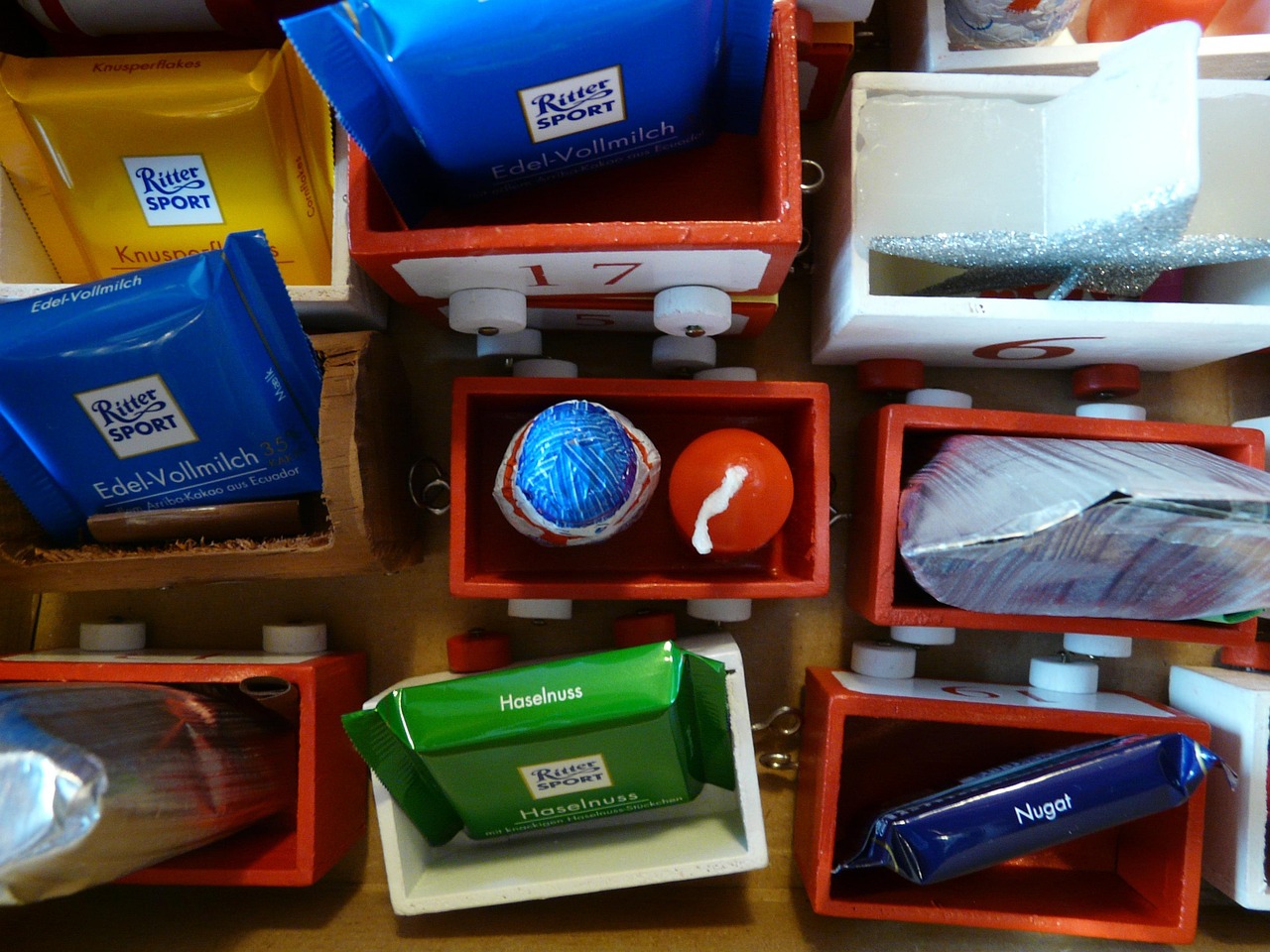
This guide covers the main points packaging buyers and chocolate brands should review before ordering film, foil, cartons, labels, or complete retail packs. It is intended for commercial planning, not as legal advice. For regulated decisions, brands should confirm requirements with qualified food-labeling and food-contact specialists.
For more packaging and procurement articles, visit the Buying Guides section.
Why chocolate is demanding to pack
Chocolate is shelf-stable compared with many fresh foods, but it is not forgiving. Its appearance, snap, aroma, and eating quality can deteriorate when the package does not match the product, shelf-life target, and distribution route. Common risks include physical damage, fat bloom, sugar bloom, rancidity, odor absorption, label scuffing, and seal failure.
Fat bloom is usually linked to cocoa butter crystal changes caused by heat abuse, poor tempering, or temperature cycling. It appears as a grayish or whitish surface haze. Sugar bloom is more closely associated with moisture exposure or condensation. Packaging cannot correct poor tempering or a hot supply chain, but it can reduce moisture ingress, odor transfer, light exposure, abrasion, and contamination risk.
Chocolate also absorbs surrounding odors easily. This matters when products are packed in paperboard, shipped near strong-smelling goods, stored in mixed warehouses, or displayed in retail areas near perfumes, cleaning products, or flavored items. A premium printed carton may look strong on shelf, but the primary wrap still has to protect the chocolate from odor and moisture.
Heat is a separate constraint. A well-designed retail pack cannot prevent melting if the product is left in a hot truck, storefront window, or porch delivery box. For e-commerce and warm-season distribution, insulation, cold packs, delivery timing, and carrier rules may be as important as the retail wrapper.
Common chocolate packing structures and when they fit
There is no single correct structure for every chocolate product. The best choice depends on product format, fat content, inclusions, shelf-life target, sales channel, and local recycling infrastructure.
| Pack format | Typical use | Main strengths | Key limitations |
|---|---|---|---|
| Foil with paper wrap | Chocolate bars and tablets | Good foldability, strong premium cue, useful light and aroma protection | May be harder to recycle when layers are laminated or not separated by the consumer |
| Flow wrap film | Bars, multipacks, countline products | Fast packing speed, consistent seals, strong print and shelf presentation | Material selection must match barrier and recyclability goals |
| Paperboard carton with inner wrap | Gift chocolate, pralines, assortments | Strong branding area, physical protection, premium unboxing | Carton is usually secondary protection; inner contact layer remains critical |
| Stand-up pouch | Bites, chips, coated nuts, baking chocolate | Resealability, shelf visibility, portion control | High-barrier laminated pouches can create recycling challenges |
| Rigid tray or insert | Pralines and delicate molded pieces | Protects shape and decoration during transport | Adds material and may complicate sustainability claims |
| Tin or rigid box | Premium gifts and seasonal products | High perceived value, reuse potential, strong physical protection | Higher unit cost and more storage space before filling |
For a simple solid bar, a fold wrap or flow wrap may be enough if the material provides suitable moisture and aroma protection. Filled chocolates, nut inclusions, wafers, and caramel centers need closer review because the pack has to account for moisture and fat migration as well as breakage. For assortments, a tray, pad, or cavity insert may be needed to prevent decorated pieces from rubbing against each other.
Barrier requirements that matter most
Chocolate packaging specifications often start with appearance, but the technical discussion should begin with barrier needs. The most important barriers are usually moisture, oxygen, light, and odor.
Moisture barrier
Moisture is one of the biggest threats to chocolate appearance. Humid air and condensation can contribute to sugar bloom, sticky surfaces, and poor mouthfeel. Moisture protection is especially important for pouches, wrapped bars sold in humid climates, products with crisp inclusions, and multipacks that may be opened and closed several times.
Oxygen and aroma barrier
Oxygen exposure can contribute to flavor deterioration, especially in products containing nuts, seeds, milk ingredients, or other fat-rich inclusions. Aroma barrier also matters because chocolate can lose desirable volatiles and absorb unwanted odors. Packaging buyers should not assume that every film or paper wrap provides the same protection. The supplier should provide the intended food-contact status, barrier data, seal range, and storage recommendations for the selected structure.
Light barrier
Light can accelerate quality loss in fat-containing foods and can also affect visual appeal. Opaque wraps, foil layers, metallized films, cartons, and tins can reduce light exposure. Clear windows may help shoppers see the product, but they should be used carefully for chocolate that may sit under bright retail lighting.
Seal integrity
A strong material still fails if the seals are weak. Flow-wrapped products need validated sealing temperature, dwell time, pressure, and film compatibility. Pouches need consistent zipper placement and seal quality. Fold-wrapped bars need controlled folds and enough overlap to limit exposure. Seal testing, drop testing, and transit trials are more useful than approving a pack only from a printed mockup.
Labeling and compliance points to check before printing
Chocolate packaging is both a protective material and a regulated communication space. In the United States, packaged food labels commonly need elements such as statement of identity, net quantity, ingredient declaration, allergen information, Nutrition Facts where required, and the name and place of business of the responsible firm. Requirements differ by product, package size, claim, and market, so artwork should be reviewed before plates, cylinders, or digital print files are finalized.
Allergens deserve particular attention. Milk, tree nuts, peanuts, soy, wheat, eggs, fish, crustacean shellfish, and sesame are major allergens under current U.S. federal allergen labeling rules. Chocolate products often involve milk, nuts, soy lecithin, wheat-containing inclusions, or shared equipment. The U.S. Food and Drug Administration has also discussed undeclared milk risk in dark chocolate, a reminder that “dark,” “vegan,” or “dairy-free” positioning should be supported by formulation control, supplier documentation, sanitation procedures, and appropriate testing where needed. See also: Box Design.
Food-contact compliance is separate from label copy. Primary packaging materials, inks, coatings, adhesives, and recycled-content structures must be suitable for their intended food-contact use. FDA materials explain that food contact substances may include packaging components that can reasonably be expected to migrate into food. In practice, buyers should request documentation from packaging suppliers rather than relying only on a generic “food grade” statement.
Brands selling outside the United States need market-specific review. The European Union’s Packaging and Packaging Waste Regulation, which began applying in 2026, increases the importance of recyclability, packaging minimization, and recycled-content planning over time. The details are complex and category-specific, but the direction is clear: packaging choices increasingly need to work for compliance, collection, sorting, and end-of-life handling, not only for shelf impact.
Sustainability trade-offs in chocolate packaging
Sustainability claims in chocolate packing should be precise. A recyclable carton does not make the whole pack recyclable if the primary wrap is a mixed-material laminate that local systems do not accept. A compostable film may sound attractive, but it may not provide the same barrier, shelf life, heat resistance, or access to composting infrastructure. A lightweight plastic flow wrap may use little material but face consumer criticism if it is not accepted in curbside recycling.
The better approach is to define the goal before choosing the material. If the goal is lower material weight, downgauging or right-sizing may help. If the goal is recyclability, a mono-material film or separable paper-and-foil structure may be worth testing. If the goal is premium reuse, a tin or rigid box could make sense for gifting, though it may increase transport weight and cost. If the goal is reduced food waste, a higher-barrier structure may be justified when it helps prevent stale, bloomed, or damaged product from being discarded.
Claims also need evidence. Avoid broad statements such as “eco-friendly” unless the packaging can be explained clearly. More useful wording may specify the component: “paperboard carton,” “separable inner wrap,” “recyclable where facilities exist,” or “designed to reduce headspace.” The exact claim must match the market and the material documentation.
Design choices that affect packing performance
Packaging design is not only graphic design. Shape, opening style, print coverage, barcode placement, and information hierarchy can affect packing operations, retail handling, and customer experience.
- Barcode placement: Keep codes away from folds, seals, crimp areas, and high-gloss distortions. Retailers are preparing for broader use of 2D barcodes by the end of 2027 under GS1’s Sunrise 2027 initiative, so new artwork should leave room for future code strategies.
- Lot and date coding: Reserve an area that works on the actual packing line, not just on the design file. High-contrast coding helps traceability and customer service.
- Opening experience: Premium chocolate should open cleanly without tearing through required label information or exposing the product to unnecessary handling.
- Portion and reseal needs: Single bars may not need resealability, but pouches and sharing packs often do.
- Retail durability: Matte coatings, metallic inks, embossing, and soft-touch finishes can look premium but should be tested for rub, scuffing, and code readability.
Seasonal packaging creates extra pressure because artwork often changes, launch windows are short, and distribution may involve long storage before a holiday. For seasonal chocolate, confirm print lead time, material availability, shelf-life dating, and storage conditions early.
A practical buyer checklist for chocolate packing
Before approving a chocolate packaging order, buyers should align commercial, technical, and regulatory teams around a short checklist.
- Define the product risk: solid bar, filled bar, truffle, coated wafer, nuts, inclusions, or gift assortment.
- Set the shelf-life target: include expected storage temperature, humidity, retail display, and e-commerce exposure.
- Confirm food-contact suitability: request supplier documentation for films, paper, foil, coatings, adhesives, inks, and recycled-content components where relevant.
- Check barrier data: review moisture, oxygen, aroma, and light protection against the actual product need.
- Test on equipment: validate sealing, cutting, folding, coding, and packing speed before scaling up.
- Review label copy: confirm statement of identity, ingredients, allergens, net quantity, nutrition panel, claims, and market-specific rules.
- Run distribution trials: test vibration, compression, heat exposure, cold-to-warm condensation, and shelf scuffing.
- Document sustainability claims: make sure claims describe the real pack components and accepted disposal routes.
This checklist will not replace expert review, but it reduces the chance that a packaging project is approved only because the mockup looks good.
Frequently asked questions
What is the best packaging for chocolate bars?
There is no universal best option. Many bars use foil with paper, flow wrap film, or a carton with an inner wrap. The right choice depends on shelf life, brand position, packing speed, barrier needs, recycling goals, and cost.
Does chocolate need oxygen barrier packaging?
Often yes, especially when the product contains milk ingredients, nuts, seeds, wafers, or other ingredients that can lose flavor or oxidize. Moisture and odor barriers are also important, so the total structure matters more than a single specification.
Can paper packaging be used for chocolate?
Paper can be part of chocolate packaging, especially as an outer wrap or carton, but direct contact and barrier needs must be assessed. Many paper-based presentations still require an inner wrap, coating, or liner to protect against moisture, grease, odor, and handling.
How can brands reduce bloom complaints?
Packaging can help by limiting moisture, light, odor, and abrasion, but bloom control also depends on tempering, formulation, storage temperature, humidity, transport conditions, and retail handling. Distribution testing is essential for warm climates and e-commerce.
Should new chocolate packaging include space for 2D barcodes?
It is sensible to plan for it. GS1’s Sunrise 2027 initiative is pushing retail readiness for 2D barcode scanning by the end of 2027. Brands redesigning packaging now should consider code size, placement, contrast, and data strategy before artwork is locked.