How to choose food wrapping paper for food-safe packaging

a[data-rs-seo-link]{text-decoration:underline!important;color:#1a56db!important;cursor:pointer!important;}a[data-rs-seo-link]{text-decoration:underline!important;color:#1a56db!important;cursor:pointer!important;}
Start with the food, not the paper
Food wrapping paper is not one material that fits every bakery item, sandwich, meat portion, takeaway meal, or basket liner. The right choice depends on what the paper touches, how long it stays in contact, and whether the food is dry, moist, oily, acidic, hot, chilled, or frozen. A dry pastry sheet, deli wrap, butcher wrap, and grease-resistant burger wrap may look similar, but they can require different coatings, basis weights, barrier properties, and compliance documents.
For buyers, the practical task is to match the paper to the actual use case and then verify the supplier documentation. In the United States, food-contact paper and paperboard components are generally reviewed under FDA food-contact rules, including 21 CFR Part 176 for paper and paperboard components. For broader packaging comparisons, see the Buying Guides section.
What food wrapping paper usually includes
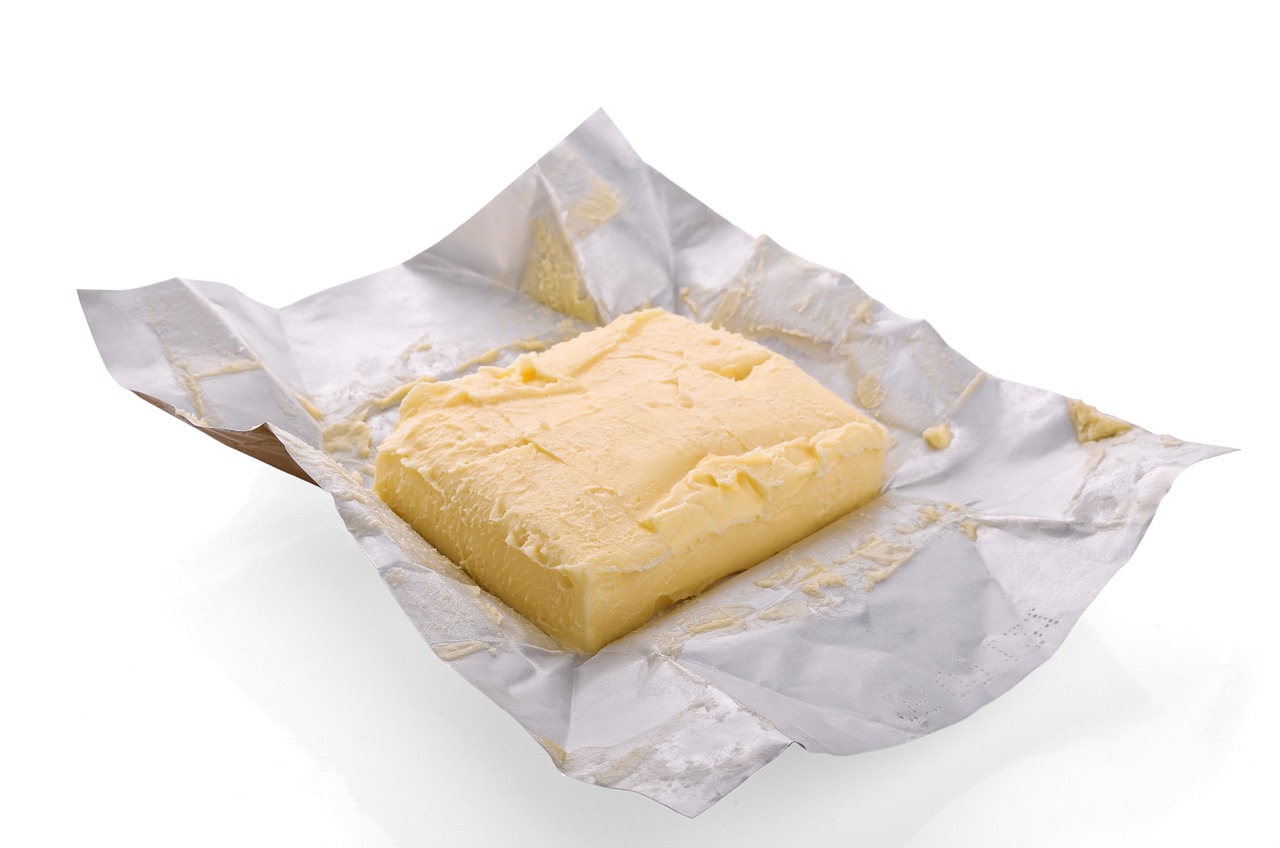
In packaging discussions, food wrapping paper usually means paper-based sheets used to wrap, line, separate, or present food. It may be supplied as flat sheets, interfolded sheets, rolls, basket liners, deli paper, bakery paper, sandwich wrap, butcher paper, freezer paper, waxed paper, parchment-style sheets, or coated grease-resistant paper.
The term can be misleading because performance does not always come from paper fiber alone. Some food wrap is uncoated or lightly treated. Other grades rely on wax, silicone, aqueous coatings, polymer coatings, clay coatings, sizing agents, or other additives. Printed sheets may also involve inks and adhesives. Buyers should therefore ask what the food-contact surface is, not just what the base paper is called.
Three questions narrow the specification quickly:
- Will the paper touch the food directly, or only line a tray or basket?
- Is the food dry, moist, greasy, frozen, hot, or reheated?
- Is the wrap expected to be recyclable, compostable, grease-resistant, microwave-safe, freezer-safe, or printable?
If the answer includes direct contact with hot, oily, or wet food, a generic food grade description is not enough. Buyers should request written conditions of use, not only a product flyer.
Match the paper to the contact conditions
A useful specification starts with the contact condition. FDA rules distinguish between food types and use conditions because migration risk and material performance change when food is fatty, aqueous, acidic, hot, or stored for a long time. Paper suitable for dry bakery goods is not automatically suitable for hot fried foods or wet refrigerated products.
| Use case | Common paper need | Key buyer check |
|---|---|---|
| Dry bakery items | Lightweight bakery tissue, glassine, or uncoated food-contact paper | Confirm direct food-contact status and print placement |
| Burgers, fries, tacos, and oily snacks | Grease-resistant wrap or coated paper | Verify grease resistance, coating chemistry, and PFAS-related documentation |
| Deli sandwiches and wraps | Moisture and grease barrier with foldability | Confirm hold time, cold and ambient performance, and print rub resistance |
| Raw meat or butcher service | Butcher paper, freezer paper, or laminated wrap depending on storage | Check direct-contact suitability, leak resistance, and freezer conditions |
| Oven or hot holding use | Parchment-style or heat-rated paper where appropriate | Do not assume heat safety; request maximum temperature and time limits |
| Basket liners and tray liners | Printed or unprinted liner paper | Confirm whether food contact is intended and whether ink can transfer |
One common mistake is choosing by appearance. Kraft color, white color, a translucent finish, or premium printing does not prove that a wrap is suitable for direct food contact. Another mistake is treating a short sample trial as a compliance test. A sheet may resist grease for 10 minutes in a sales demonstration but fail during delivery, stacking, condensation, or hot holding.
Food-contact documentation buyers should request
For business purchasing, a reliable food wrapping paper quote should include documentation. File names vary by supplier, but buyers should normally ask for a food-contact statement, a letter of guaranty or declaration of compliance where applicable, conditions of use, a material composition summary, allergen or contamination statements if relevant, and printing or ink information for custom wraps.
FDA status and conditions of use
FDA explains that food-contact materials can be compliant through applicable regulations, food contact notifications, threshold of regulation exemptions, or other lawful pathways. Components used in food-contact paper and paperboard are commonly connected to 21 CFR Part 176. Section 176.170 addresses components of paper and paperboard in contact with aqueous and fatty foods, while Section 176.180 addresses components of paper and paperboard in contact with dry food.
The key purchasing point is that compliance is tied to the substance, manufacturer, application, and conditions of use. A coating cleared for one type of contact does not automatically cover every temperature, food type, or exposure time. If a supplier says a product is suitable for food contact, ask them to state the intended food types and limits in writing.
Guaranties for meat and poultry environments
USDA FSIS guidance for meat and poultry packaging emphasizes that packaging materials entering federally inspected establishments should be accompanied or covered by a guaranty or statement of assurance from the packaging supplier. The guaranty should identify the material and state that it complies with relevant federal food laws and stated conditions of use.
Even outside meat or poultry plants, this is a useful purchasing discipline. Keep a file for packaging specifications, supplier letters, certificates, and revision dates. When packaging changes, request updated documents instead of assuming the previous file still applies.
Performance factors that affect real-world use
Food wrapping paper has to work at the counter, in the kitchen, during delivery, and in the consumer’s hands. A technically compliant paper can still be the wrong choice if it leaks, tears, sticks to food, traps too much moisture, or smears ink onto gloves and equipment.
Grease and moisture resistance
Grease resistance is critical for fried foods, cheeses, sauces, pastries with butter, and protein-rich foods. Moisture resistance matters for sandwiches, chilled foods, produce, and items with condensation. Buyers should ask how resistance is measured and under which test conditions. A simple oil holdout result may not predict performance with hot grease, steam, sauce, or pressure inside a delivery bag.
Heat, cold, and microwave exposure
Do not assume that food wrapping paper is safe for ovens, microwaves, hot cabinets, or freezing unless the supplier states those uses. Waxed papers can behave differently from parchment-style papers. Plastic-coated papers may soften or deform at temperatures that uncoated papers tolerate. Freezer use adds another concern: paper can become brittle, and coatings or laminations may crack if they are not designed for cold storage.
Printing and ink placement
Custom printed food wraps can improve brand presentation, but they add another specification layer. Buyers should confirm whether printing is on the non-food-contact side, whether the ink system is suitable for indirect or incidental contact under the expected conditions, and whether sheets are stacked, nested, or folded in a way that could transfer ink to the food-contact side. See also: Box Design.
Sustainability claims need evidence, not slogans
Sustainability is often a major reason buyers compare food wrapping paper options. Paper can be renewable, recyclable, compostable, recycled-content, bleached, unbleached, coated, laminated, or certified through different forestry and compostability programs. These attributes are not interchangeable, and they should not be combined loosely in marketing copy.
Recyclable claims
FTC Green Guides principles say environmental marketing claims should be truthful, specific, and supported by competent and reliable evidence. For recyclable claims, buyers should consider whether local recycling programs actually accept the finished wrap after food contact. Clean paper may be recyclable in some systems, but grease, food residue, wax, coatings, or laminated layers can make recovery difficult or unavailable.
A stronger specification is precise. Instead of relying on a broad recyclable claim, ask whether the paper is accepted in the intended market, whether food contamination affects acceptance, and whether any coating or adhesive limits recyclability.
Compostable claims
Compostable is not the same as biodegradable. ASTM D6400 is commonly associated with plastics designed for aerobic composting in municipal or industrial facilities. ASTM D6868 is relevant to end items that include plastics or polymers as coatings or additives with paper and other compostable substrates. For coated food wrapping paper, buyers should review the finished item, not only the base paper.
FTC guidance also warns that compostable claims should be supported and qualified when appropriate facilities are not available to consumers or communities where the item is sold. In practice, a foodservice operator should check whether local composters accept the exact wrap, especially if it is printed, coated, greasy, or mixed with food residue.
PFAS-related checks
PFAS has been a major issue in grease-resistant paper packaging. FDA announced in February 2024 that substances containing PFAS used as grease-proofing agents on paper and paperboard for food-contact use were no longer being sold by manufacturers into the U.S. market after voluntary commitments. That announcement is important, but buyers should still request current supplier statements, especially for grease-resistant wraps, molded fiber, imported paper, or legacy stock.
Some compostability certification programs also address fluorinated chemicals. For example, BPI certification rules require no intentionally added fluorinated chemicals and use a total organic fluorine threshold for certified items. If a supplier makes PFAS-free, compostable, or certified claims, ask which standard, certificate, test report, and product version the claim covers.
A practical buying checklist
Before placing a food wrapping paper order, compare more than price per sheet. A lower-cost wrap can become expensive if it causes leaks, customer complaints, compliance gaps, or unusable inventory after a menu change.
| Checklist item | What to ask |
|---|---|
| Food type | Is the wrap intended for dry, aqueous, fatty, acidic, hot, chilled, or frozen food? |
| Direct contact | Which side is the food-contact surface, and is printing kept away from that surface? |
| Conditions of use | What are the time, temperature, storage, and reheating limits? |
| Barrier performance | What grease, moisture, and tear resistance data is available? |
| Regulatory file | Is there a current food-contact statement or guaranty with revision date? |
| Sustainability claim | Is the claim recyclable, compostable, recycled-content, PFAS-free, or certified, and what evidence supports it? |
| Operational fit | Does it dispense, fold, stack, label, and pack correctly in the actual workflow? |
Sample testing should mirror the real operation. Wrap the hottest and greasiest menu item, stack it as staff would, hold it for the longest expected delivery time, and inspect for staining, tearing, sticking, odor, ink transfer, and customer handling. If the wrap is for frozen or refrigerated food, test condensation and thawing conditions. If it is for branded packaging, test the printed version, not only a blank sheet.
Frequently asked questions
Is kraft paper automatically safe for food wrapping?
No. Kraft describes a paper appearance and manufacturing style, not automatic food-contact suitability. A kraft-colored sheet may be appropriate for some food uses, but buyers should still verify direct-contact compliance, coatings, inks, and conditions of use.
Can one food wrapping paper work for all menu items?
Sometimes, but it is not a safe assumption. Dry bakery items, greasy burgers, chilled sandwiches, and raw proteins place different demands on the paper. Many operators use more than one wrap grade to avoid overpaying for simple uses or under-specifying demanding ones.
Does compostable food wrapping paper break down in a home compost bin?
Not necessarily. Many compostability standards and certifications refer to municipal or industrial composting conditions. Home composting is cooler and less controlled. If home compostability matters, request documentation that specifically covers home composting and check whether inks and coatings are included.
What is the most important document to request from a supplier?
Start with a current food-contact statement or letter of guaranty that identifies the product and its conditions of use. For coated, printed, compostable, or grease-resistant papers, also ask for coating details, sustainability claim support, and current PFAS-related statements where relevant.
Should buyers choose waxed, parchment, or grease-resistant paper?
Choose by application. Waxed paper can be useful for moisture resistance and cold food handling but may not be suitable for heat. Parchment-style papers are often selected for baking or heat exposure when rated for that use. Grease-resistant wraps are designed for oily foods, but buyers should verify the chemistry, claims, and actual hold-time performance.