Thermocol box design for insulated packaging and product protection
a[data-rs-seo-link]{text-decoration:underline!important;color:#1a56db!important;cursor:pointer!important;}a[data-rs-seo-link]{text-decoration:underline!important;color:#1a56db!important;cursor:pointer!important;}
What a thermocol box is and when it makes sense
A thermocol box is a molded expanded polystyrene, or EPS, container used to protect goods from shock and temperature change. In many packaging markets, especially in South Asia, “thermocol” is the everyday term for EPS foam. Buyers, packaging engineers, and operations teams usually assess this format for food, seafood, medicine, electronics, laboratory samples, and other fragile or temperature-sensitive goods.
A thermocol box is most useful when the package needs lightweight cushioning, short- to medium-duration insulation, and a molded form without adding much unit weight. It is less suitable when the application requires a premium visible finish, flat-pack storage, repeated reuse, or easy acceptance in local recycling programs. The design decision should therefore consider insulation performance together with product fit, lid closure, outer carton support, regulatory context, and what happens to the box after delivery.
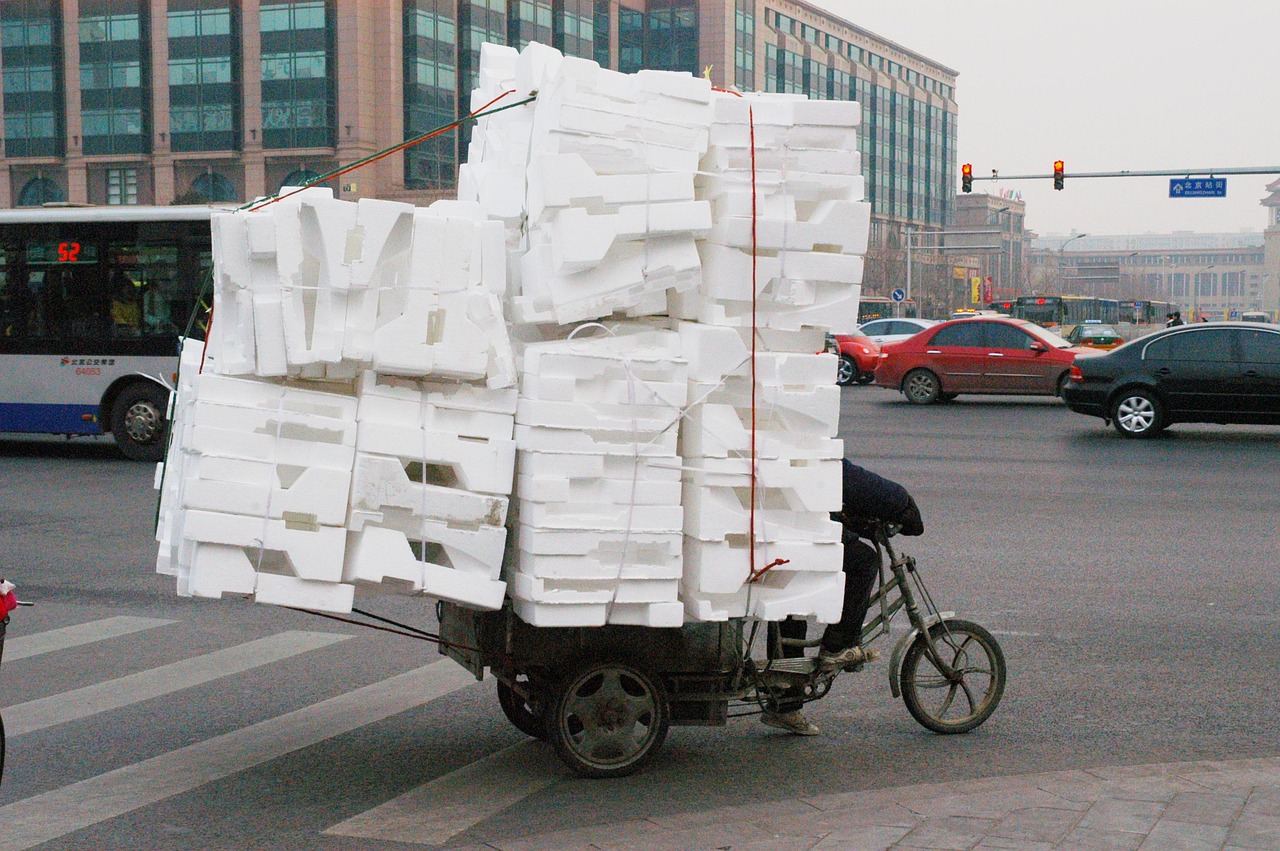
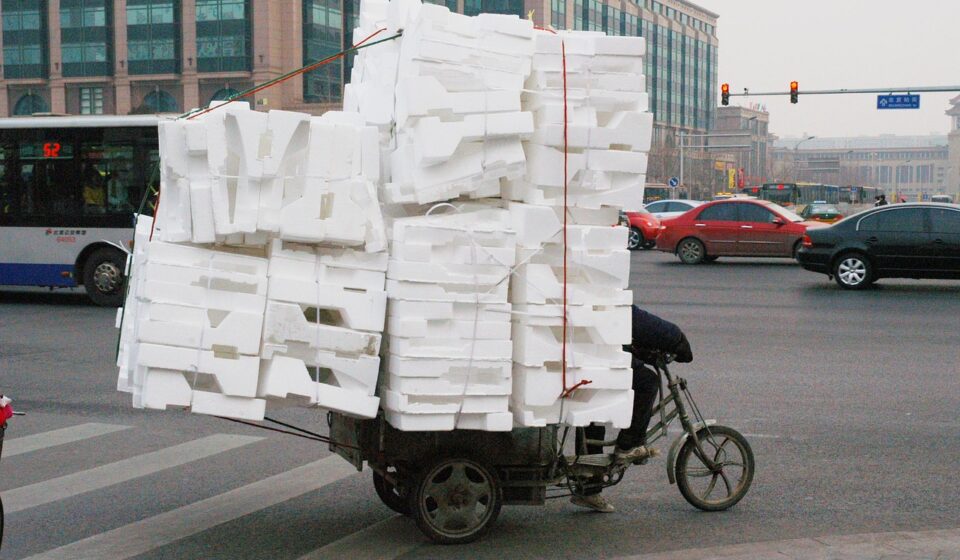
Industry groups such as the EPS Industry Alliance and EUMEPS describe EPS as a lightweight foam made mostly of air with a small amount of polymer. That structure explains both the value and the limitations of the material. EPS can reduce transport weight and absorb impact, but used boxes are bulky. Reverse logistics and recycling collection can be difficult unless the supply chain already has a practical recovery route.
Key design factors for a thermocol box
A good thermocol box is not just a foam container with a lid. Its performance depends on geometry, density, wall thickness, closure design, surface protection, and compatibility with the product being packed. A common design mistake is selecting the box by internal volume alone. Volume matters, but it does not show whether the walls will resist compression, whether the lid will stay seated, or whether the contents will remain within the required temperature range.
Internal dimensions and usable volume
The first specification should be usable internal space. Designers need to measure the product with all primary packaging, separators, gel packs, absorbent pads, labels, and any tamper-evident elements included. For chilled or frozen shipments, coolant space is part of the package design, not an afterthought. A tight fit can reduce movement, but it may leave no room for refrigerants or airflow. A box that is too large can allow the load to shift, increasing impact risk and reducing thermal efficiency.
Wall thickness and insulation path
Wall thickness is easy to see but difficult to optimize without testing. Thicker walls usually improve insulation and compression resistance, but they also increase outside dimensions and storage volume. For short local deliveries, a thinner wall may be enough if the product is already chilled and handled quickly. For longer routes, high ambient temperatures, or frozen goods, the box should be validated with the intended coolant, product mass, route time, and temperature profile.
Lid fit and leakage control
The lid is often the weak point in an insulated foam box. A loose lid can create air gaps, allow condensation or meltwater to escape, and reduce stacking stability. For wet products such as fish or seafood, the box may need a tighter seating lip, an outer liner, absorbent material, or secondary containment. EPS is valued for moisture resistance in packaging, but the complete box system still has to manage meltwater, drips, odor, and contamination risk.
Density and load resistance
Density affects strength, cushioning response, and durability. Higher-density EPS generally supports heavier loads and resists handling damage better, while lower-density material may be lighter and less expensive. Density, however, should not be treated as a single guarantee of performance. Mold design, bead fusion, wall ribs, corner geometry, and outer carton support all influence how the box performs in real distribution.
Common uses and packaging requirements
Thermocol boxes are used in several packaging applications because they combine insulation with cushioning. The design priorities vary by product category, so a box suitable for frozen dessert may not be appropriate for pharmaceuticals or electronics.
| Application | Main packaging need | Design points to check |
|---|---|---|
| Seafood and meat | Cold retention, moisture control, odor containment | Lid seal, drain risk, absorbent pads, outer carton, food-contact suitability |
| Fresh produce | Temperature moderation and crush protection | Ventilation needs, condensation, stack strength, produce sensitivity |
| Pharmaceutical samples | Temperature control and compliance documentation | Qualified shipper design, coolant layout, route validation, labeling |
| Electronics and instruments | Shock absorption and surface protection | Custom cavities, anti-scratch liners, static sensitivity, outer carton fit |
| Meal kits and frozen foods | Insulation and consumer handling | Pack-out instructions, ice pack placement, disposal guidance, brand presentation |
For food and healthcare shipments, the thermocol box should be treated as one part of a broader packaging system. Primary packaging, secondary containment, coolant, labels, and the shipping carton must work together. The U.S. Food and Drug Administration explains that materials used in food-contact applications are subject to food-contact substance requirements. For recycled plastics in food-contact packaging, FDA guidance also highlights issues such as possible contaminants and the suitability of the recycling process. This does not mean every thermocol box is unsafe; it means food-contact claims should be backed by appropriate material declarations and supplier documentation.
For medicines, vaccines, biologics, or diagnostic samples, packaging teams should not assume that any insulated foam box is a qualified cold-chain shipper. A qualified package is normally tested as a complete configuration, including coolant type, coolant quantity, product load, pack-out sequence, outer carton, and seasonal route assumptions. The thermocol box may be one component, but the performance claim belongs to the full shipper system.
Thermocol box vs corrugated, pulp, EPE, and paper-based insulation
EPS is not the only option for insulated or protective packaging. In many projects, the right material depends on whether the main risk is temperature excursion, impact damage, moisture, brand perception, warehouse storage, or end-of-life acceptance.
- Corrugated board is widely recyclable and easy to print, but it does not provide the same insulation by itself. It is often used as the outer carton for a thermocol box.
- Molded pulp can support plastic reduction goals and offers good shape protection for some dry goods, but it may not match EPS for thermal insulation or wet seafood use without coatings or liners.
- EPE foam is flexible and useful for cushioning, especially for electronics and reusable pads, but it is usually not molded into rigid insulated boxes in the same way as EPS.
- Paper-based insulated boxes are developing quickly and can improve recyclability in some markets, but performance should be compared through route testing rather than marketing claims alone.
- Reusable rigid coolers can reduce single-use packaging in closed-loop systems, but they require cleaning, tracking, reverse logistics, and higher upfront cost.
The practical comparison is not simply plastic versus paper. A lightweight EPS thermocol box may prevent food waste or product loss in a difficult cold chain. A paper-based solution may be preferable where recycling access, consumer perception, and dry shipping conditions are more important than maximum insulation per unit thickness. The best design is the one that protects the product with the lowest total system burden that can be verified on the intended route.
How to specify a thermocol box for purchasing or design
Before requesting a quote, packaging teams should prepare a clear specification. A vague request such as “10 kg thermocol box” leaves too much room for variation. A stronger specification describes the product type, internal dimensions, required payload, temperature conditions, handling environment, and compliance needs.
- Define the product risk. State whether the box is for food, pharma, electronics, laboratory samples, industrial parts, or general protective packaging.
- Confirm internal dimensions. Measure the packed product, not only the product itself. Include gel packs, separators, liners, and headspace.
- Set the payload and stacking assumptions. Note the maximum filled weight, pallet pattern, warehouse stacking height, and whether an outer carton will carry part of the compression load.
- Describe the temperature target. For insulated shipments, define the acceptable temperature range, journey duration, expected ambient conditions, and whether the product starts chilled, frozen, or ambient.
- Specify closure and containment needs. Decide whether the lid requires tape, strapping, shrink wrap, a tight lip, or an outer corrugated shipper.
- Ask for material documentation. For food or healthcare packaging, request declarations relevant to food contact, cleanliness, and any restricted substances that apply in the destination market.
- Plan disposal or recovery. Check whether the recipient, distributor, or local program can collect clean EPS. If not, consider whether an alternative material would reduce end-of-life friction.
Testing should match the level of product risk. A low-value dry product may only need fit review and basic drop checks. A temperature-sensitive product should be tested with data loggers under realistic route conditions. A regulated healthcare shipment may require formal qualification rather than informal trial shipments.
Sustainability and regulatory considerations
Thermocol box sustainability is a mixed issue because EPS offers material efficiency but also creates end-of-life challenges. Its light weight can reduce transport mass, and it can be recycled where clean material is collected and densified. At the same time, EPS is bulky, easily contaminated by food residues, and not accepted in many curbside recycling systems. The gap between technical recyclability and practical recyclability is the central issue for packaging teams.
EUMEPS and the EPS Industry Alliance state that EPS can be recycled through mechanical routes and, in some systems, other recovery technologies. Those claims should be considered alongside local collection reality. If a business ships to a retailer, fish market, or laboratory with a dedicated recovery program, EPS recycling may be practical. If the package goes to scattered households, disposal may be harder because consumers often do not have convenient foam collection access.
Regulation is also becoming more location-specific. Some rules focus on foam food service ware rather than transport packaging. California’s packaging reforms, for example, include requirements affecting expanded polystyrene food service ware under the state’s broader plastic pollution prevention framework. That does not automatically ban every EPS transport box, but it shows why packaging teams should distinguish between a consumer food container, an insulated shipping box, and industrial protective packaging. The correct compliance answer depends on product use, sales location, and whether the item is classified as packaging, food service ware, or another category.
For international shipments, the safest approach is to ask three questions early: Is the thermocol box allowed in the destination market for this application? Are there labeling, take-back, or extended producer responsibility obligations? Can the recipient handle the material responsibly after use? These questions can help avoid redesigns after a product has already entered distribution.
Design checklist for better thermocol box performance
The following checklist can help convert general packaging goals into measurable design requirements:
- Use internal dimensions based on the complete packed load, not estimated product size.
- Match wall thickness to journey duration, ambient exposure, and coolant plan.
- Choose density based on load, impact risk, and handling conditions rather than cost alone.
- Check lid seating, corner strength, and whether tape or strapping is needed.
- Use an outer corrugated carton when print quality, puncture resistance, or carrier handling requires it.
- Keep food-contact and healthcare documentation separate from general material brochures.
- Validate cold-chain designs with the actual product mass and pack-out sequence.
- Avoid excessive cavity space that increases movement and reduces thermal efficiency.
- Plan for clean collection, densification, or an alternative material if end-of-life access is limited.
- Document every assumption used in the design, including payload, route time, temperature range, and stacking height.
This checklist is also useful when comparing suppliers. Two boxes with the same nominal capacity can perform differently if wall thickness, lid profile, density, and molding quality differ. A purchasing decision based only on price per box may increase total cost if it leads to product damage, rejected shipments, or disposal complaints.
Frequently asked questions
Is a thermocol box the same as an EPS box?
In packaging use, the terms are usually treated as equivalent. “Thermocol” is a common regional name for expanded polystyrene foam, while EPS is the technical material term. For specifications, EPS is clearer because it connects to material data, supplier documentation, and regulatory language.
Can a thermocol box be used for food?
It can be used in food packaging systems when the material and application meet relevant food-contact requirements. Buyers should request supplier documentation and confirm whether the box directly touches food or only holds sealed primary packs. Wet or oily food may require liners, pads, or separate primary packaging.
How long can a thermocol box keep items cold?
There is no universal number. Cold retention depends on wall thickness, density, lid fit, product mass, starting temperature, coolant type, coolant quantity, ambient temperature, and handling time. The only reliable answer comes from testing the complete pack-out under expected route conditions.
Is thermocol box packaging recyclable?
EPS is technically recyclable, but practical recycling depends on local collection, cleanliness, and densification access. Clean business-to-business EPS streams are easier to recover than food-contaminated household waste. Teams should check the destination market before making recyclability claims.
What is the main drawback of a thermocol box?
The main drawback is end-of-life management. EPS is lightweight but bulky, so collecting and transporting loose used boxes can be inefficient. It can also be difficult for consumers to recycle if local programs do not accept foam packaging. For some applications, that drawback may outweigh the material’s insulation and cushioning benefits.
Bottom line
A thermocol box remains a practical packaging option when the product needs lightweight insulation, cushioning, and molded protection. It is especially relevant for seafood, frozen food, perishables, samples, and fragile goods. The strongest designs begin with product risk and route conditions, not box size alone. Packaging teams should define the payload, temperature target, wall thickness, lid closure, outer carton role, compliance needs, and disposal route before approving a design.
The material’s value is highest when it prevents product loss and when clean used EPS can be collected responsibly. Where recovery is unlikely or brand expectations require a different end-of-life profile, paper-based insulation, molded pulp, corrugated systems, EPE cushioning, or reusable coolers may be better options. In practice, the right thermocol box is not just a container; it is a tested packaging system matched to the product, the route, and the market where it will be used.