Card box packaging guide for product brands and box design teams

a[data-rs-seo-link]{text-decoration:underline!important;color:#1a56db!important;cursor:pointer!important;}a[data-rs-seo-link]{text-decoration:underline!important;color:#1a56db!important;cursor:pointer!important;}
What card box packaging means in practice
Card box packaging is a practical umbrella term for product boxes made from paperboard, cartonboard or light corrugated board. In retail and ecommerce, it can refer to a folding carton, sleeve, rigid gift box or compact mailer that protects the product, carries brand graphics and presents required information at the point of sale.
The right specification depends less on the word “card” than on five variables: product weight, distribution channel, print expectations, regulatory needs and end-of-life claims. A cosmetics carton, a playing card tuck box, a food sleeve and an ecommerce subscription box can all fall into this category, but they need different board grades, closures and testing assumptions.
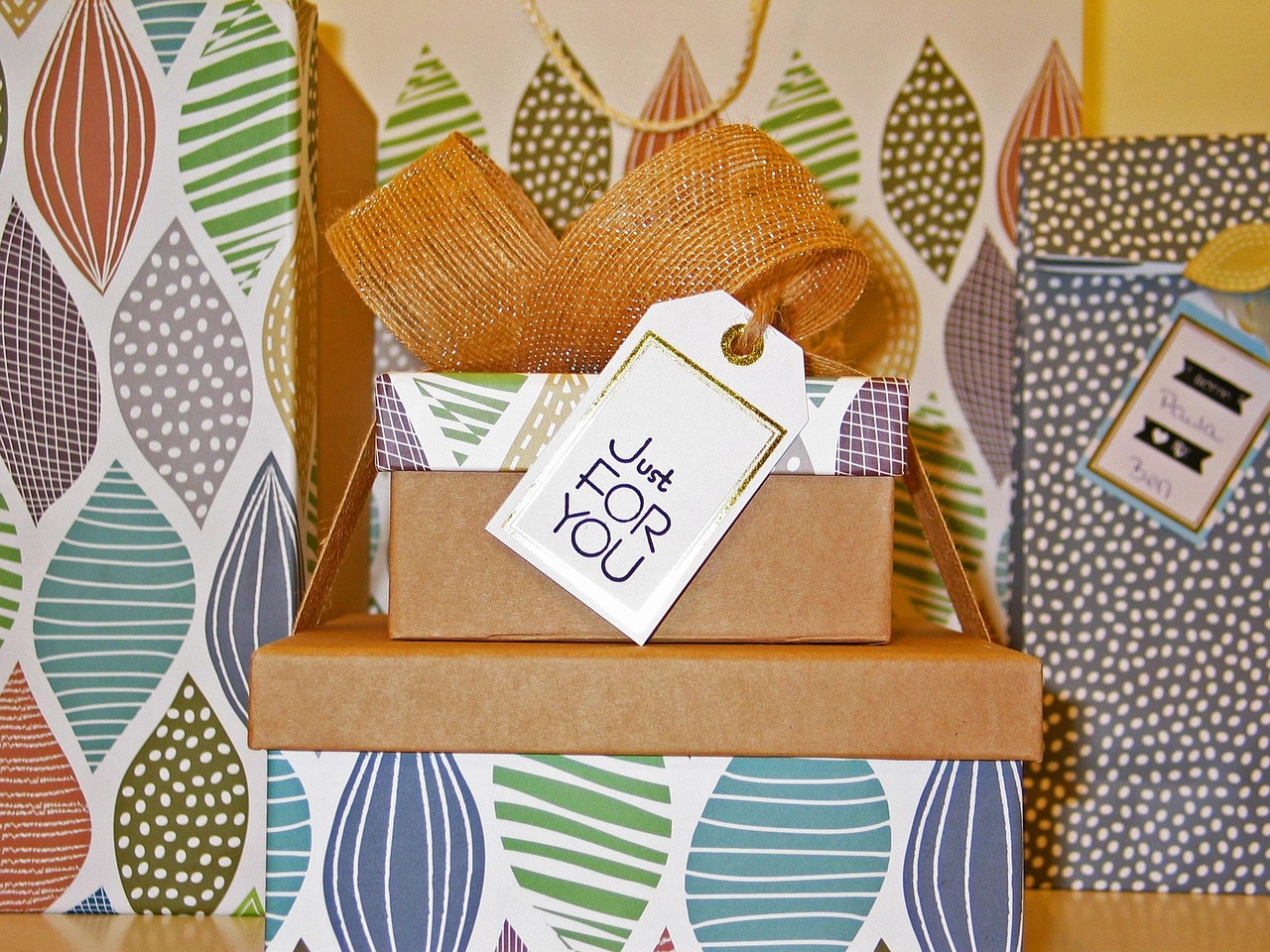
Terminology also matters. Buyers and consumers often say “cardboard,” while converters usually specify paperboard, folding carton board, cartonboard, corrugated board or rigid box board. A small change in material can affect stiffness, print appearance, unit cost, packing speed and recyclability.
Common card box packaging formats
The first design decision is format. A box can look strong on screen and still fail if it is too weak for shipping, too complex to fill or too expensive to run at scale. The table below compares common formats used in card-based product packaging.
| Format | Typical use | Main advantage | Main limitation |
|---|---|---|---|
| Folding carton | Cosmetics, food, pharmaceuticals, small consumer goods, cards and accessories | Ships flat, prints well and suits medium to high volumes | Less protective than corrugated or rigid formats unless reinforced |
| Rigid set-up box | Premium gifting, electronics, jewelry, luxury items and presentation kits | Strong shelf presence and high perceived value | Does not usually ship flat, so storage and freight costs are higher |
| Paperboard sleeve | Food trays, soap bars, apparel, multipacks and promotional bundles | Uses less material than a full carton and leaves product visibility | Limited protection and fewer printable panels |
| Micro-flute or small corrugated box | Ecommerce kits, heavier retail products and direct-to-consumer packs | Better compression and cushioning than single paperboard | Can look bulkier and may require different print methods |
| Tuck box | Playing cards, small stationery, supplements and light retail goods | Compact, familiar and efficient to assemble | Closure can wear if the box is opened repeatedly |
For more structural ideas across cartons, mailers and display-ready formats, the Box Design section provides related packaging design coverage.
Material choices that shape performance and appearance
Paperboard packaging is not a single material. The U.S. Code of Federal Regulations describes paperboard as including solid bleached kraft board, recycled board and unbleached kraft board converted into uses such as folding boxes, food and beverage packaging, tubes and other products. In commercial buying, the most common discussions involve SBS, CUK or SUS, CRB, FBB and corrugated grades.
SBS for clean print and premium graphics
Solid bleached sulfate, often called SBS, is commonly selected when bright white color, smooth print quality and fine graphic detail are priorities. It is often used for beauty, healthcare, confectionery and premium retail cartons. Its clean surface supports high-quality offset printing, embossing, foil stamping and coating effects. Even so, the grade still needs to be checked against product weight, moisture exposure, food-contact requirements and budget.
CUK, SUS and kraft looks
Coated unbleached kraft and solid unbleached sulfate boards provide the natural brown or kraft appearance that many brands associate with durability or lower visual processing. They can work well for beverage carriers, natural products, tools and outdoor goods. The trade-off is color reproduction. A bright brand palette will not look the same on kraft board as it does on white SBS unless the artwork and ink strategy are adjusted.
CRB and recycled board
Coated recycled board can be a cost-effective option for many dry goods, household items and secondary packaging. Its recycled fiber content may support sustainability goals, but it is not automatically suitable for every direct-contact product. Food, pharmaceutical and sensitive personal care applications need careful review of liners, barriers, coatings and applicable regulations.
Micro-flute for added strength
When the product is heavier, or when the pack must withstand parcel handling, a micro-flute structure can add cushioning and compression strength. It is useful for ecommerce packaging that also needs retail-quality graphics. Design and procurement teams should confirm whether the print will be litho-laminated, flexographic, digital or produced by another method, because each route affects surface quality, lead time and cost.
Design details that affect shelf impact and usability
Good card box packaging is more than a printed rectangle. It is a small engineered system. The dieline, grain direction, locking style, glue flap, panel hierarchy and opening experience all affect how the finished pack performs and how professional it feels.
Start with the product, not the artwork
The design process should begin with the product’s size, weight, fragility and packing method. A carton that fits too tightly can scuff the product or slow assembly. A carton with too much empty space can collapse, look wasteful or require inserts. Product movement inside the box is especially important for glass, electronics, candles and delicate cosmetic components.
Plan the front panel for fast recognition
Retail shoppers often scan shelves quickly. The front panel should communicate product type, variant, quantity and brand identity without forcing the reader to rotate the pack. For small boxes, that usually means fewer claims, a stronger typographic hierarchy and enough space around required information.
Design the opening experience
Tuck-end cartons, crash-lock bottoms, sleeves, drawer boxes and magnetic-style rigid boxes create different user experiences. A product intended for repeated storage, such as a deck of cards or collectible item, needs a closure that tolerates repeated opening. A food sleeve or secondary carton may only need to work once, but it still has to pack efficiently and resist tearing during handling.
Use finishes selectively
Foil, spot UV, soft-touch coatings, embossing, debossing and window patches can make a box more distinctive. They also add cost and may complicate recycling, depending on coverage and material combination. The finish should support a clear communication purpose: highlight a logo, signal a flavor, protect ink from abrasion or create tactile contrast. Decorative finishes without a defined role are harder to specify and harder to justify.
Sustainability claims need careful wording
Paper-based packaging has a strong recycling story, but brand claims still need precision. The U.S. Environmental Protection Agency’s long-running municipal solid waste data set reports that paper and paperboard containers and packaging represented 41.9 million tons of generation in 2018, with an 80.9 percent recycling rate for that category. The American Forest & Paper Association’s 2025 handout, using its own methodology for 2024, reports a U.S. paper recycling rate range of 60–64 percent and a cardboard recycling rate range of 69–74 percent. These figures are useful, but they are not interchangeable because they measure different categories and use different methodologies. See also: Buying Guides.
For card box packaging, material choice is only one part of recyclability. Coatings, laminates, plastic windows, metallic effects, wet-strength treatments, adhesives and food contamination can all influence what happens after disposal. The 2025 FEFCO recyclability guidance for corrugated packaging highlights design considerations such as non-fibrous content, coatings, laminates, inks, varnishes, adhesives and contamination. While that guidance focuses on corrugated packaging, the broader design principle applies to paper-based boxes: keep the fiber stream as clean and separable as possible.
Marketing teams should be cautious with broad phrases such as “eco-friendly,” “green” or “fully recyclable.” The U.S. Federal Trade Commission’s Green Guides say recyclable claims should be qualified when recycling facilities are not available to at least 60 percent of consumers or communities where the product is sold. Brands can still discuss recyclability, recycled content or renewable fiber, but the claim should match the actual package structure and the markets where it is sold.
Regulatory and product-specific checks
Some card box packaging is only secondary packaging. Other boxes directly touch food, cosmetics, medical products or children’s goods. The level of review should match the product risk and the market where the pack will be sold.
Food-contact packaging
For U.S. food packaging, the Food and Drug Administration treats food packaging components as food contact substances when they contact food and are not intended to have a technical effect in the food itself. FDA materials also identify paper and paperboard components under 21 CFR 176. A paperboard food box therefore cannot be approved by appearance alone. Coatings, adhesives, colorants, grease barriers and recycled fiber use may all need review depending on the application.
Grease resistance is a particularly sensitive area. FDA announced in February 2024 that manufacturers were no longer selling certain PFAS grease-proofing substances for paper and paperboard food packaging into the U.S. market. In January 2025, the agency announced that related food contact notifications were no longer effective because those uses had been abandoned. Brands using oil- or grease-resistant card packaging should ask suppliers for current declarations rather than relying on old specifications.
EU market considerations
For products placed on the European Union market, packaging teams also need to account for the Packaging and Packaging Waste Regulation, known as Regulation (EU) 2025/40. European Commission materials state that the regulation begins applying from mid-2026 and is intended to reduce packaging waste, improve recyclability and set requirements across the packaging life cycle. For international brands, the practical design implication is early documentation: material composition, weight, recyclability assumptions and supplier declarations should be organized before artwork is locked.
A practical specification checklist
Before requesting quotes or approving a dieline, teams should document the packaging brief in measurable terms. A clear brief reduces sampling loops and keeps design choices from being made by visual preference alone.
- Product details: dimensions, weight, fragility, moisture sensitivity and expected shelf life.
- Channel: retail shelf, ecommerce parcel, subscription box, promotional kit or wholesale case pack.
- Box format: folding carton, tuck box, sleeve, rigid box, micro-flute carton or corrugated mailer.
- Board specification: grade, caliper, surface finish, recycled content target and color requirements.
- Structural features: closure type, insert, hang tab, tear strip, locking bottom, window or tamper-evident feature.
- Print method: offset, flexographic, digital or litho-lamination, with color standards and proofing expectations.
- Finishes: coating, varnish, foil, embossing, debossing, lamination or soft-touch effects.
- Compliance needs: food contact, cosmetics labeling, child safety, regional recycling marks and restricted substances review.
- End-of-life claim: recyclable, recycled content, responsibly sourced fiber or no claim until substantiated.
- Testing plan: assembly trial, product fit check, rub test, drop or compression testing when distribution risk requires it.
The strongest card box packaging projects bring design, procurement, compliance and operations into the same conversation early. A beautiful carton that cannot be filled efficiently is not a successful package. A recyclable structure with an unsupported claim is also a risk. The goal is to make the box work as a physical container, a brand surface and a responsible material choice at the same time.
Frequently asked questions
Is card box packaging the same as cardboard packaging?
Not exactly. “Card box packaging” and “cardboard packaging” are often used informally, but converters usually specify paperboard, cartonboard or corrugated board. The technical specification should name the actual material and structure rather than rely on the general word “cardboard.”
Which card box format is best for retail products?
For many retail products, a folding carton is the most practical starting point because it ships flat, prints well and supports many closure styles. Heavier, premium or fragile products may need a rigid box, insert or micro-flute structure.
Can a paperboard box be called recyclable?
It may be recyclable, but the claim should be checked against the full structure and the markets where it is sold. Plastic windows, heavy lamination, metallic decoration, coatings and contamination can affect recycling. Claims should be qualified when local access or package design creates limitations.
What should be checked before using card packaging for food?
Food packaging should be reviewed for direct contact suitability, coatings, adhesives, inks, barriers, recycled fiber use and current supplier declarations. In the United States, FDA food contact requirements are especially relevant for paper and paperboard components used with food.