How to design a bakery box that protects pastries and builds brand appeal
a[data-rs-seo-link]{text-decoration:underline!important;color:#1a56db!important;cursor:pointer!important;}a[data-rs-seo-link]{text-decoration:underline!important;color:#1a56db!important;cursor:pointer!important;}
Why bakery box design matters
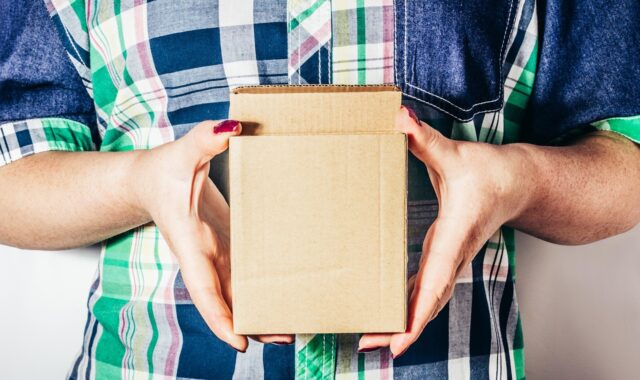
A bakery box has to do several jobs at once. It should protect a delicate product, support safe food contact, present the brand clearly, and still be practical for packing, storage, transport and disposal. Good design starts with the pastry, not the artwork. A tall frosted cake needs different clearance, board strength and insert support than a cookie sleeve or a window carton for cupcakes.
The main question behind bakery box design is not simply what looks attractive. It is which structure keeps baked goods intact from the counter to the customer while meeting food packaging expectations. Guidance and rules from agencies such as the U.S. FDA, the U.S. EPA and the European Union also point to the same practical lesson: grease resistance, recyclability and chemical compliance should be considered before a bakery commits to a shape, coating or decorative finish.
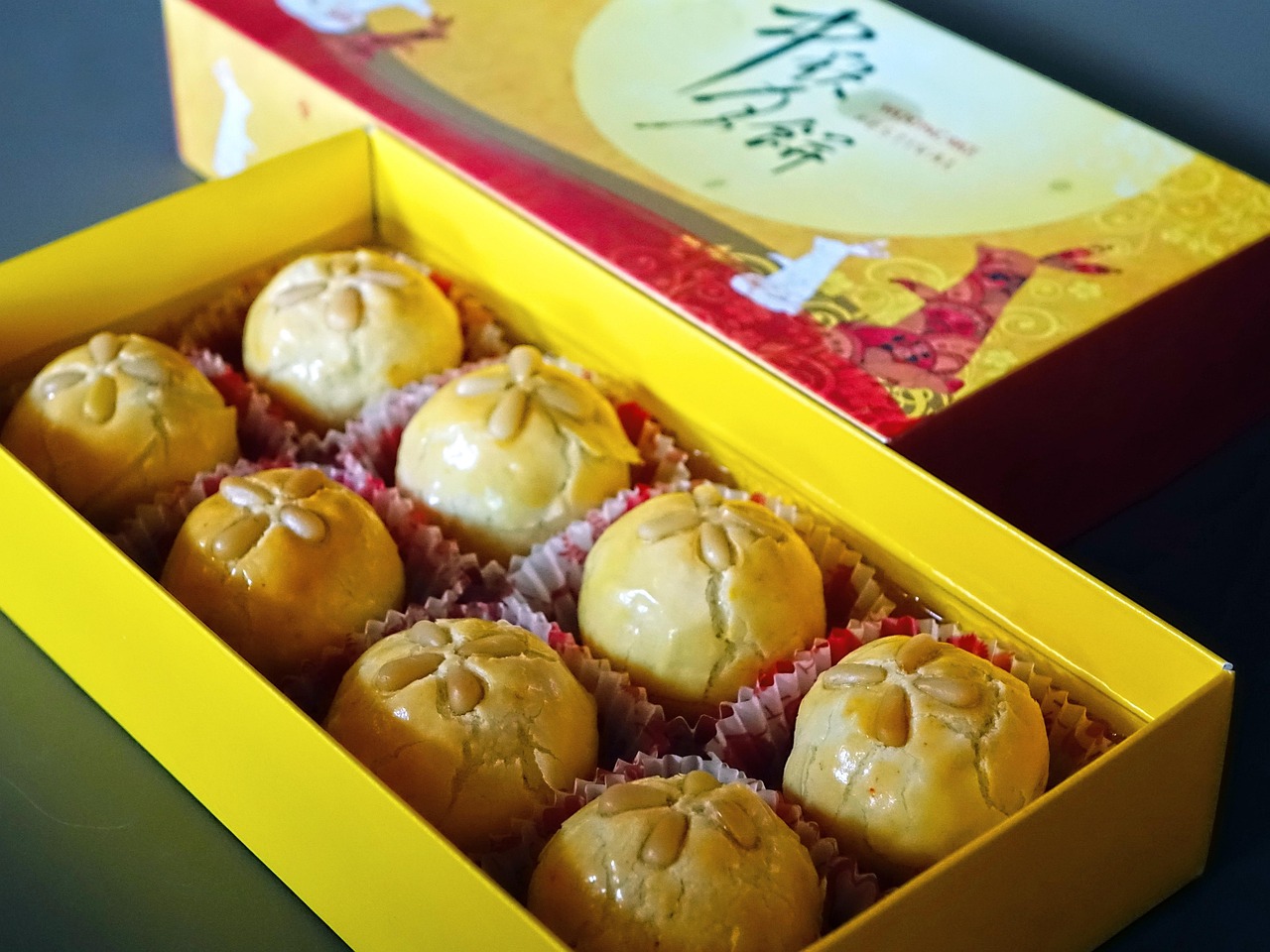
Match the box structure to the product, not the other way around
Bakery products create very different packaging risks. Some are dry and light. Others are oily, fragile, decorated or sensitive to temperature and moisture. A single bakery box style cannot solve all of these issues. The structural brief should begin with product height, weight, surface fat, moisture level, decoration, serving occasion and travel distance.
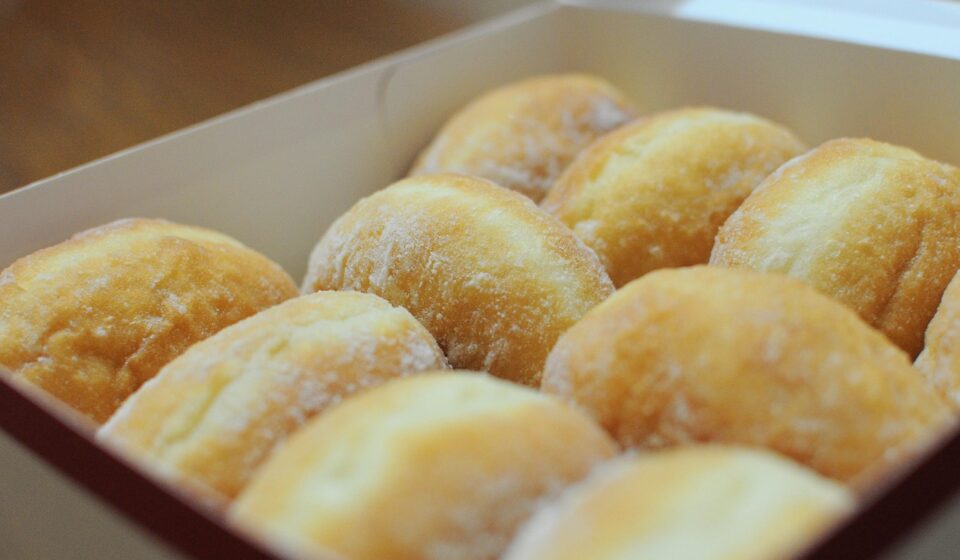
Cookies usually need containment and portion presentation more than vertical clearance. Cupcakes need cavity control so toppings do not touch the lid. Layer cakes need sidewall strength, a board or insert at the base and enough headspace to protect frosting. Donuts need protection from grease transfer and compression, and they may also benefit from a broad viewing area when impulse sales matter.
Common structure choices
- One-piece folding cartons: suitable for many retail bakery items because they ship and store flat, then fold into shape at the counter or packing station.
- Auto-bottom boxes: quick to open and fill during peak bakery hours, though they may cost more than simpler lock-bottom structures.
- Window bakery boxes: useful for decorated products and premium assortments, but window films and adhesives must be considered when planning recyclability claims.
- Two-piece cake boxes: practical for taller or heavier cakes because the base and lid can be handled separately.
- Microflute or corrugated options: useful when the product is heavier, the delivery distance is longer or stacking pressure is higher.
| Bakery product | Main design risk | Useful box features |
|---|---|---|
| Cupcakes | Topping damage and movement | Insert cavities, lid clearance, stable base |
| Cookies and biscuits | Breakage and portion control | Rigid paperboard, sleeves, dividers or trays |
| Donuts | Grease transfer and compression | Grease-resistant interior, shallow height, wide lid |
| Layer cakes | Weight, frosting contact and transport tilt | Two-piece structure, strong base, proper headspace |
| Pastry assortments | Mixed sizes and moisture differences | Compartments, liners and controlled viewing area |
Choose materials and coatings with food contact in mind
Most bakery boxes are made from paperboard or corrugated board, but board grade and coating choice matter. Industry sources such as the Paperboard Packaging Council describe folding cartons as structures that can be made from a range of virgin and recycled board types and shipped flat for efficiency. In bakery applications, the board must balance stiffness, print quality, folding performance and food contact suitability.
White paperboard often supports bright printed graphics and a clean bakery image. Kraft board gives a more natural appearance that many bakeries associate with simple ingredients and a handmade feel. Recycled-content board can support sustainability goals, but food contact use depends on the full material construction, liner choice and the supplier’s regulatory position. For direct food contact, bakeries should ask the packaging supplier for documentation rather than assuming that any paperboard is suitable.
The U.S. FDA classifies food contact considerations by food type and conditions of use. Its food type table includes moist bakery products with surface fat or oil, moist bakery products without free surface fat or oil, and dry solids with or without surface fat or oil. This distinction matters because an unfilled dry cookie and a butter-rich pastry can place different demands on coatings, liners and migration testing assumptions.
Grease resistance is a functional decision
Grease resistance is often necessary for donuts, croissants, butter pastries and filled baked goods. The design mistake is treating grease resistance as a visual preference only. It is a functional barrier decision that can affect food contact compliance, recyclability, compostability claims and consumer perception. Waxed, laminated, aqueous-coated and other barrier systems may perform differently. A bakery should specify the food type, expected storage time and whether the box will contact hot, warm, room-temperature, refrigerated or frozen products.
PFAS has become a major issue in grease-resistant paper and paperboard packaging. On February 28, 2024, the U.S. FDA announced that grease-proofing substances containing certain PFAS were no longer being sold by manufacturers for food contact use in the U.S. market after a voluntary phase-out. In the European Union, Regulation (EU) 2025/40 sets concentration limits for PFAS in food-contact packaging placed on the market from August 12, 2026. For bakeries selling across borders, a grease-resistant bakery box should be supported by current supplier declarations, not only by a generic food-safe claim.
Design for freshness, handling and merchandising
Packaging cannot make a product fresher than the recipe and supply chain allow, but it can reduce common quality failures. A bakery box should manage three practical conditions: air movement, moisture behavior and mechanical protection.
Ventilation can help when warm products release steam after packing. Without a path for moisture to escape, condensation may soften crusts, blur printed tissue or damage decorations. Too much ventilation, however, can dry out products such as sponge cake or soft pastries. The answer is product-specific: a hot pastry box may need vents, while a premium cookie carton may need a tighter structure and an inner wrap.
Handling is just as important. Many bakery products are bought as gifts or carried by customers on foot, in cars or through delivery services. A handle can add convenience, but it changes load distribution and may require stronger board or reinforced locking points. A large viewing window can improve shelf appeal, but it may reduce top-panel stiffness if the window is too large or poorly positioned. Stacking features can help in retail displays, but boxes should not be stacked higher than the product and board can safely tolerate.
Merchandising without overcomplication
The bakery category depends heavily on visual appetite appeal. A window can show frosting, fruit, glaze or assortment variety. A printed lid can carry a seasonal message. A side panel can identify flavor, ingredients or handling instructions. Even so, a practical bakery box should avoid features that slow packing or confuse the customer. When a box is handled dozens or hundreds of times each day, fast folding and secure closure may be more valuable than a complicated decorative opening.
Make branding work without hurting performance
Branding on a bakery box should be visible, memorable and honest. Strong packaging usually starts with a clear hierarchy: logo, product cue, essential information and disposal guidance. Too many claims, patterns and finishes can make the design feel crowded and may add cost or recycling complications.
Color should be evaluated on the actual board, not only on a screen or proof. Kraft paperboard softens colors and produces a more muted, natural finish. White board creates brighter color and stronger contrast. Dark flood printing can look premium, but it may show scuffing on corners and folds, especially during delivery. Foil, spot varnish and specialty coatings can add shelf presence, but they work best when they support the brand rather than decorate the box for its own sake.
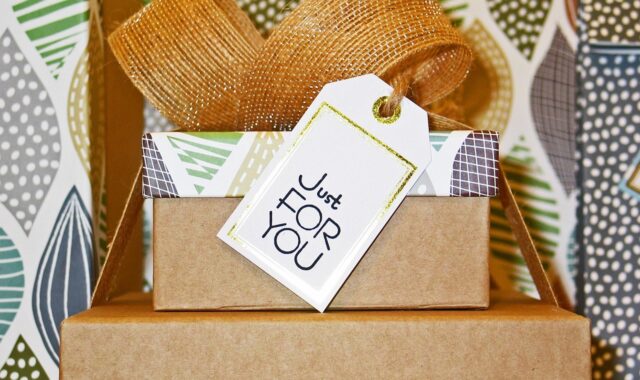
Branding also includes the unboxing moment. A clean interior, a short care message or a printed insert can make the package feel more considered. For gift bakery products, the inside of the lid is often underused. It can carry storage guidance, reheating instructions, a brief brand note or a seasonal message without crowding the outer design.
Be careful with sustainability language
Terms such as recyclable, compostable, recycled content and responsibly sourced are not interchangeable. The Forest Stewardship Council describes three common labels: FSC 100%, FSC Mix and FSC Recycled. FSC Recycled indicates 100% recycled fiber, while FSC Mix may include a combination of FSC-certified virgin fiber, recycled material and controlled fiber. If a bakery uses a certification mark or recycled-content statement, it should confirm the supplier’s chain-of-custody documentation and the exact wording allowed for the package.
Recyclability claims should also account for coatings, windows, liners and local collection rules. A plain paperboard box may be widely recyclable in principle, but a heavily laminated or food-soiled package may not be accepted by every program. Design teams should avoid turning a material preference into a universal environmental promise.
Sustainability and compliance questions that changed the brief
The sustainability brief for a bakery box has become more technical. It is no longer enough to say the package is paper based. Regulators, retailers and customers increasingly ask what is in the coating, whether the box can be recycled after use, how much empty space it contains and whether the environmental claim can be verified.
The U.S. EPA’s current consumer recycling guidance says paper materials should generally be empty, clean and dry before recycling, and cardboard boxes should be flattened. It also notes that pizza boxes can be recycled even with grease if food scraps are removed, while paper and cardboard takeout containers depend on the amount of food residue. For bakery boxes, the practical lesson is to design for easy residue removal and clear customer behavior. A removable liner, a separate grease pad or a clear disposal note can improve the chance that the outer box enters the correct waste stream.
European rules add another layer for brands that sell packaged food into the EU. Regulation (EU) 2025/40, often discussed as the Packaging and Packaging Waste Regulation, introduces lifecycle requirements for packaging and specific PFAS limits for food-contact packaging from August 12, 2026. The rule does not automatically determine how a local bakery in another market must design every box, but it does influence global supplier standards and buyer expectations. Packaging teams should ask suppliers for up-to-date food contact and chemical compliance statements, especially for grease-resistant paperboard.
There are tradeoffs in every bakery box brief. A box with fewer coatings may be easier to explain from a recycling standpoint, but it may fail if the product releases oil. A stronger board may reduce damage, but it may use more material than needed. A window may help sell the product visually, but it can complicate sorting depending on the film and the local program. Good design does not ignore these tradeoffs. It documents them and chooses the option that fits the product, market and disposal path.
A practical bakery box specification checklist
A clear specification helps bakeries, designers and converters avoid misunderstandings. Before artwork is finalized, the team should agree on the physical and regulatory requirements of the package. The checklist below can be used as a starting point for a bakery box brief.
| Specification area | Questions to answer | Why it matters |
|---|---|---|
| Product profile | Is the item dry, moist, oily, decorated, chilled or warm at packing? | Determines food contact, coating and ventilation needs. |
| Dimensions | What are the product’s maximum height, width and weight? | Prevents crushing, movement and excess empty space. |
| Contact type | Will food touch the box directly or sit on a liner, board or tray? | Changes material documentation and barrier requirements. |
| Handling route | Is the product sold at a counter, displayed on shelf, delivered locally or shipped? | Influences board strength, closures and stacking design. |
| Branding | Does the package need full-color print, a window, labels or seasonal graphics? | Connects visual design to cost and converting complexity. |
| Disposal path | Is the package intended for recycling, composting, reuse or general disposal? | Helps avoid unclear or unsupported environmental claims. |
| Supplier proof | Can the supplier provide food contact, coating, ink and certification details? | Supports safer procurement and reduces compliance risk. |
For packaging teams comparing formats, prototypes should be tested with real products rather than empty boxes. Place the actual pastry in the package, close it, carry it, tilt it, refrigerate it if that is part of the use case, and check what happens after a normal customer journey. A bakery box that looks excellent when empty may reveal weak points only after contact with grease, condensation, frosting or stacking pressure.
Readers looking for broader packaging ideas can follow industry updates from HubbleRobo, including developments that affect box design, paper packaging and food packaging decisions.
Frequently asked questions
What is the most important feature of a bakery box?
The most important feature is fit for the specific baked product. A box should provide enough clearance, stable support, appropriate food contact material and suitable grease or moisture control. Visual design matters, but it should not override product protection.
Are kraft bakery boxes better than white bakery boxes?
Neither is automatically better. Kraft boxes create a natural, understated look and may suit artisan branding. White paperboard can deliver brighter print and a cleaner premium appearance. The better choice depends on product type, print goals, board strength, food contact requirements and the brand’s visual identity.
Can bakery boxes be recycled?
Many paperboard and cardboard bakery boxes may be recyclable when they are empty and reasonably clean, but acceptance depends on local recycling rules, coatings, windows and food residue. Boxes with heavy food contamination, plastic lamination or non-separable components may face more limitations.
Do bakery boxes need grease-resistant coatings?
Only some bakery products need them. Donuts, butter pastries, pies and oily baked goods often require grease resistance. Dry cookies, macarons or wrapped items may not. If grease resistance is needed, the bakery should confirm that the coating is suitable for the intended food contact and market.
How can a bakery reduce packaging waste without damaging products?
The most practical approach is right-sizing. Use a box that fits the product with enough protection but without unnecessary headspace. Consider inserts only when they prevent damage, choose board strength based on the actual handling route, and use clear disposal guidance when the packaging format supports it.