How to choose paper for packing products safely and efficiently

a[data-rs-seo-link]{text-decoration:underline!important;color:#1a56db!important;cursor:pointer!important;}a[data-rs-seo-link]{text-decoration:underline!important;color:#1a56db!important;cursor:pointer!important;}
What makes good paper for packing?
Good paper for packing does more than cover a product. It has to protect the item, fit the packing process, support the brand presentation, and avoid unnecessary recycling or compliance problems. For light retail goods, tissue or light kraft may be enough. For fragile items, cushioning paper, honeycomb wrap, corrugated pads, or molded paper inserts may be more reliable. For food, cosmetics, or moisture-prone products, ordinary wrapping paper should not be assumed suitable. Buyers should confirm food-contact status, barrier treatment, odor, ink transfer, and coating details before ordering.
In practice, paper selection is a trade-off between strength, surface quality, cost, storage space, packing speed, and end-of-life handling. This guide explains the main paper options, the specifications worth checking, and the questions buyers should ask before choosing packaging paper for shipping, storage, or presentation.
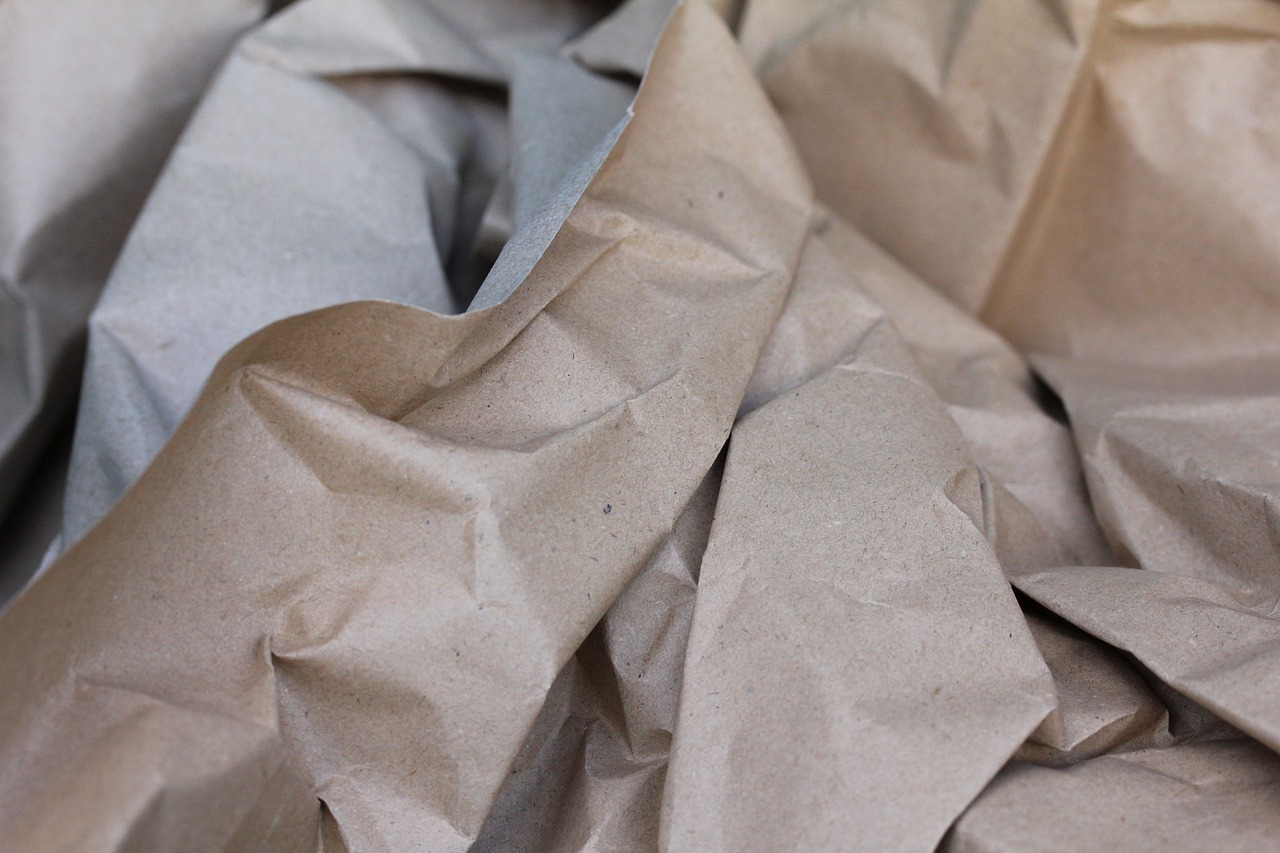
Main types of paper used for packing
Packaging teams often use the word paper broadly, but paper-based materials are not interchangeable. A sheet chosen mainly for its appearance may tear on sharp corners, fail to cushion fragile products, create excess void fill, or become difficult to recycle once coatings, labels, or other components are added.
| Paper type | Typical use | Strengths | Limits to check |
|---|---|---|---|
| Kraft paper | Wrapping, void fill, interleaving, dunnage | Good tear resistance, simple look, widely available in brown or white grades | Not all grades are food-contact approved; lightweight grades may not protect sharp corners |
| Newsprint or packing paper | Moving, wrapping household goods, filling empty carton space | Economical and easy to crumple around irregular shapes | Lower wet strength and less premium appearance than kraft |
| Tissue paper | Presentation wrap for apparel, cosmetics, gifts, and accessories | Soft hand feel, useful for unboxing, available in printed and colored versions | Limited cushioning; inks and dyes should be checked for contact-sensitive products |
| Corrugated paper or pads | Layer separation, corner protection, dividers, inserts, box reinforcement | Better compression and puncture resistance than flat paper | Bulkier than flat sheets; flute direction affects performance |
| Honeycomb or expandable paper wrap | Alternative to some plastic bubble wrap applications | Creates three-dimensional cushioning from a compact roll | Performance depends on wrapping tension, number of layers, and product fragility |
| Glassine or grease-resistant paper | Bakery, confectionery, stationery, and products needing a smooth barrier surface | Smooth, dense, and useful where surface cleanliness matters | Barrier claims vary by grade; food and grease applications need documentation |
A practical starting point is to define the job the paper must perform: presentation, surface protection, shock absorption, void fill, barrier protection, or structural support. One paper grade rarely performs all of these functions equally well.
Match paper specifications to the product and shipping risk
Paper buyers should look beyond sheet size and color. Packaging performance usually depends on the combination of basis weight or grammage, thickness, fiber quality, coating, moisture behavior, and how the paper is converted, dispensed, wrapped, or packed into the carton.
Basis weight and grammage
Basis weight describes how heavy a paper is at a defined sheet area. Grammage is usually expressed as grams per square meter. Higher grammage often feels stronger, but it is not the only measure of performance. A well-made kraft paper with good fiber bonding can outperform a heavier but weaker sheet in tear or tensile strength. When comparing suppliers, request the same unit of measure across quotes so the cost per roll or cost per sheet is not misleading.
Tear, tensile, and puncture resistance
Tear resistance matters when paper is pulled around corners, wrapped over metal parts, or handled quickly at a packing bench. Tensile strength matters when the sheet is under pulling tension. Puncture resistance matters for products with edges, hardware, bottles, or irregular shapes. Industry laboratories commonly use TAPPI, ISO, ASTM, and similar methods to measure paper and corrugated packaging properties, including burst, compression, water absorption, and related performance values.
Cushioning and void-fill behavior
Flat paper becomes protective only when it is folded, crumpled, layered, or converted into a structure. Crumpled kraft can help stop products from moving inside a box, but it may not absorb repeated impacts as well as engineered paper cushioning. Honeycomb wrap can create spacing between the product and the carton wall, but it needs consistent wrapping tension and enough overlap. For fragile items, a small drop test using the actual carton, product, and packing method is more useful than judging the paper roll alone.
Moisture and barrier performance
Paper is fiber-based and naturally sensitive to moisture. If shipments may face condensation, refrigeration, humidity, oily surfaces, or damp warehouses, ask about Cobb water absorption, wet strength, coatings, and storage conditions. A coating may improve grease or water resistance, but it can also affect recyclability, compostability, heat sealing, printing, and food-contact status.
Sustainability claims need evidence, not just brown paper
Brown paper often looks sustainable, but appearance is not proof. Recycled content, certified fiber, recyclability, compostability, and plastic-free claims each have different meanings. Buyers should ask suppliers to identify the exact claim, the test or certification behind it, and any limits created by coatings, adhesives, dyes, labels, or contamination after use.
U.S. Environmental Protection Agency data for 2018 reported that paper and paperboard containers and packaging represented 41.9 million tons of municipal solid waste generation, with an overall recycling rate of 80.9 percent for that category. The same EPA material data showed corrugated boxes had a much higher recycling rate than many other paper packaging formats. For buyers, the implication is straightforward: a plain corrugated shipper usually fits established recycling streams better than a multi-material paper package with plastic film, foil, heavy coatings, or attached non-paper components.
Forest certification is separate from recyclability. The Forest Stewardship Council describes FSC Mix as a label for products made with a combination of FSC virgin fiber, recycled material, and controlled virgin fiber. FSC Recycled identifies products made with 100 percent recycled fiber under the FSC system. These labels can support sourcing claims, but they do not automatically mean the finished package is recyclable in every local program.
For more practical packaging selection articles, visit the Buying Guides section.
Food, cosmetics, and sensitive goods require extra checks
Paper used near food, supplements, cosmetics, pharmaceuticals, or scented products requires more review than general e-commerce void fill. A sheet may be clean and attractive but still unsuitable for direct product contact. Buyers should confirm whether the paper is intended for direct food contact, indirect food contact, or non-food packaging only. They should also ask about coatings, inks, adhesives, optical brighteners, odor, migration testing, and storage hygiene.
Grease-resistant paper is a good example. The U.S. Food and Drug Administration announced in February 2024 that substances containing PFAS used as grease-proofing agents on paper and paperboard for food-contact use were no longer being sold by manufacturers into the U.S. market. In January 2025, the FDA also announced that 35 related food contact notifications were no longer effective because those uses had been abandoned. For buyers, the practical takeaway is not to assume old grease-proof specifications are still acceptable. Ask suppliers for current documentation, and make sure replacement barrier chemistries fit the intended market and product. See also: Box Design.
Cosmetics and scented goods create different risks. Uncoated paper can absorb oils or fragrances. Printed tissue may transfer ink if it rubs against a damp or oily surface. Dark or heavily dyed paper can sometimes mark pale products. For jewelry, polished metal, candles, soap, skincare, and apparel, request samples and test them under realistic temperature, humidity, and contact time before approving a bulk order.
A buyer’s checklist for choosing packing paper
A clear checklist helps prevent overbuying, under-protecting, or selecting a paper that looks good in a sample room but fails in fulfillment. Before placing an order, define these requirements in writing:
- Product risk: Is the item fragile, sharp-edged, oily, heavy, painted, scented, or easily scratched?
- Packaging role: Will the paper provide presentation, surface protection, void fill, cushioning, separation, moisture resistance, or structural support?
- Format: Do operators need sheets, rolls, fanfold paper, dispenser boxes, pads, honeycomb wrap, or custom die-cut inserts?
- Performance data: Which specifications are needed: grammage, caliper, tear, tensile, burst, Cobb, compression, or recycled content?
- Contact status: Is the paper approved for direct contact with food, cosmetics, or another regulated product category?
- Equipment fit: Will the material run through paper void-fill machines, cutters, dispensers, or automated packing lines?
- Brand requirements: Does the color, texture, print quality, opacity, and fold behavior match the unboxing experience?
- End-of-life claim: Can the supplier support claims such as recyclable, recycled content, FSC certified, compostable, or plastic-free?
- Total cost: Compare cost per protected shipment, not just cost per roll. Include labor, storage, damage rates, and packing speed.
When possible, test the chosen paper with the actual carton and shipping route. A paper that performs well for apparel may be unsuitable for ceramics. A paper that fills space cheaply may slow operators if it tears too easily or creates inconsistent bundles.
Common mistakes to avoid
The most common mistake is treating all paper as interchangeable. Lightweight tissue, kraft void fill, corrugated pads, and grease-resistant sheets are designed for different tasks. Substituting one for another can raise damage risk even when the material looks similar.
A second mistake is judging sustainability by color. Brown paper may be virgin fiber, recycled fiber, certified fiber, or uncertified fiber. White paper may also include recycled or certified fiber. The claim depends on documentation, not color.
A third mistake is ignoring coatings. Coatings can improve barrier performance, printability, heat resistance, or grease resistance, but they may change how the paper behaves in recycling, composting, sealing, or product contact. If recyclability is a selling point, confirm whether the coated finished material is accepted by the relevant recycling stream.
A fourth mistake is buying only on unit price. Thin paper may be cheaper per roll but require more sheets per package. Bulky paper may protect well but increase storage needs. Premium tissue may improve presentation but provide almost no drop protection. The best choice is the paper that matches the product’s risk level with the least material, labor, and avoidable waste.
Frequently asked questions
Is kraft paper the best paper for packing?
Kraft paper is one of the most versatile choices because it is strong, widely available, and suitable for wrapping, interleaving, and void fill. However, it is not automatically the best option for every use. Fragile goods may need cushioning structures, premium retail products may need tissue, and food items may need documented food-contact paper.
Can paper replace bubble wrap?
Paper can replace bubble wrap in some applications, especially for surface protection, void fill, and moderate cushioning. Honeycomb paper wrap and molded paper inserts can improve protection compared with flat sheets. For highly fragile items, the replacement should be validated with actual drop, vibration, or transit testing rather than assumed.
What paper should be used for moving and household packing?
Unprinted packing paper or newsprint-style sheets are commonly used for dishes, glassware, and household goods because they are economical and easy to crumple. For heavier or sharper items, stronger kraft paper or corrugated dividers may be needed. Printed newspaper can leave ink marks, so it is not ideal for light-colored or porous surfaces.
Is recycled packing paper always better?
Recycled content can reduce demand for virgin fiber and support circular material use, but it is not the only factor. Strength, contamination, coatings, local recycling acceptance, and the amount of material required per shipment also matter. A weaker sheet that requires double wrapping may not be better in practical use.
How should buyers compare supplier quotes?
Compare quotes on the same basis: sheet size, roll length, grammage, recycled content, certification, coating, order quantity, freight, and performance requirements. For protective packaging, also compare the amount of paper used per shipment and any change in packing speed or product damage.