How to choose food packaging materials for safety, shelf life, and sustainability
a[data-rs-seo-link]{text-decoration:underline!important;color:#1a56db!important;cursor:pointer!important;}a[data-rs-seo-link]{text-decoration:underline!important;color:#1a56db!important;cursor:pointer!important;}
Choosing food packaging materials is not a simple choice between plastic, paper, glass, and metal. The right specification depends on the food itself, the food-contact layer, filling temperature, storage time, transport conditions, labeling claims, and the recovery system available in the market where the pack is sold. A structure that works well for dry snacks may not be suitable for oily, acidic, frozen, or hot-filled foods. Regulatory pressure has also become more visible, especially in the European Union, where PFAS limits for food-contact packaging started applying from August 12, 2026, and the main transition deadline for many BPA-related food-contact articles passed on July 20, 2026. There is no universal best material. Packaging decisions should start with safety and product protection, then weigh cost, consumer use, compliance documentation, and end-of-life options.
What counts as food packaging materials?
Food packaging materials include every material and component used to contain, protect, handle, transport, display, or serve food. In practice, this category is broader than the visible container. It can include the main substrate, coatings, liners, adhesives, printing inks, closures, labels, absorbent pads, seals, tie layers, additives, and barrier films.
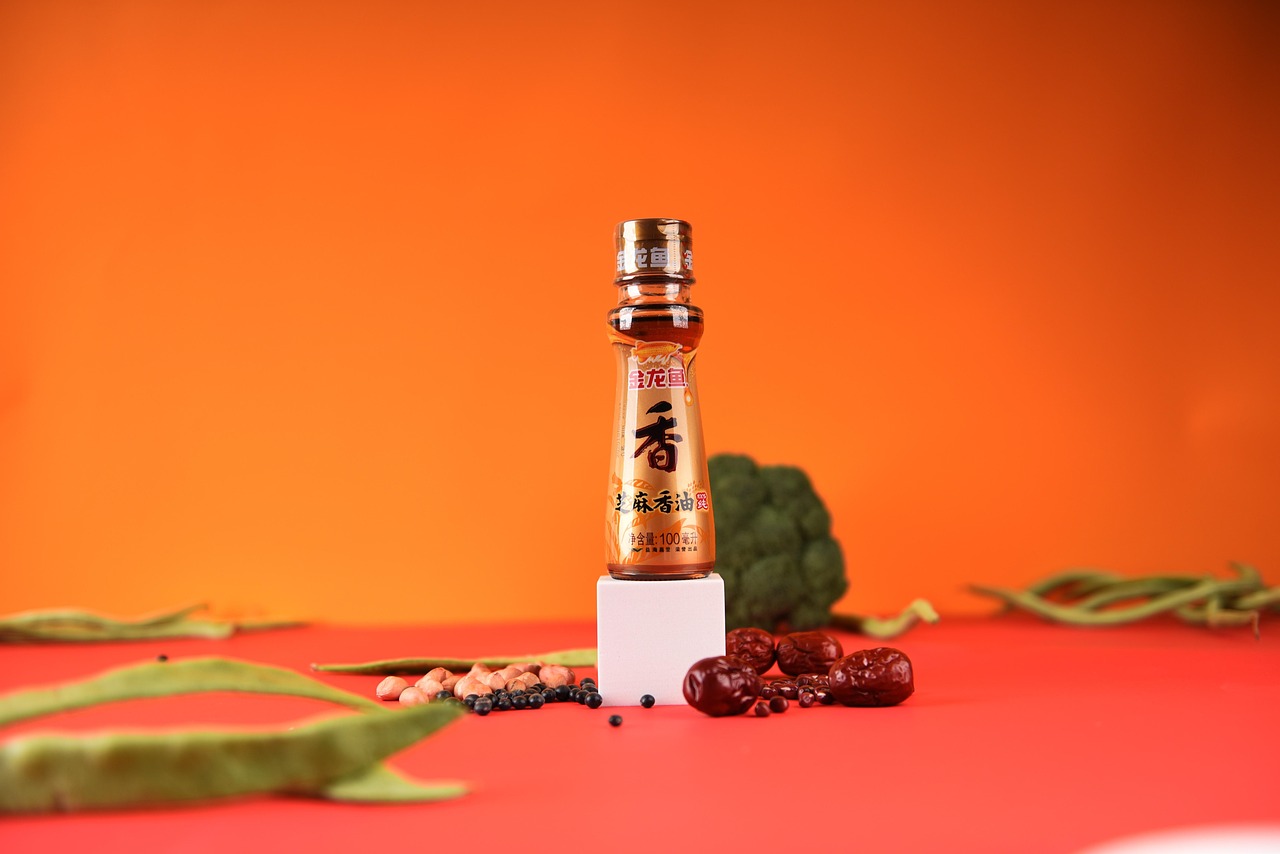
The key distinction is whether a material is intended to contact food directly. A direct food-contact layer must be suitable for the specific food and use condition. Non-contact layers still need attention. Substances from inks, adhesives, coatings, or recycled layers may migrate through packaging, or transfer by set-off during storage, if the package is poorly designed or manufactured.
Food packaging can also be grouped by function. Primary packaging touches or immediately contains the food, such as a bottle, tray, pouch, can, wrapper, or carton liner. Secondary packaging groups units for retail display or handling. Tertiary packaging, including corrugated shippers and pallets, supports transport and storage. Sustainability programs often cover all three levels, but food safety evaluation is most critical for materials that can reasonably affect the food-contact surface.
For broader packaging category updates, readers can also visit the Packaging Materials section.
Main food packaging material options and their trade-offs
Each material family solves a different packaging problem. Selection should begin with the product’s protection needs, not with a broad marketing label such as recyclable, compostable, natural, or premium.
| Material family | Common food uses | Strengths | Key limitations to check |
|---|---|---|---|
| Plastic such as PET, PE, PP, PS, or multilayer films | Bottles, trays, tubs, lidding films, pouches, frozen food bags, snack packaging | Lightweight, formable, sealable, often strong moisture protection, useful for high-speed packing | Food-contact authorization, heat tolerance, migration limits, recycling compatibility, recycled-content suitability |
| Paper and paperboard | Cartons, sleeves, cups, trays, wraps, bakery and dry-food packs | Renewable fiber base, printable, familiar recycling streams for clean mono-material formats | Often needs coatings or liners for grease, moisture, or oxygen resistance; food residue can reduce recyclability |
| Glass | Jars, bottles, sauces, beverages, baby food, premium products | Inert for many foods, transparent, reusable or recyclable in many systems, strong barrier | Heavy, breakable, energy-intensive transport, closure and liner compatibility still matter |
| Metal such as aluminum or steel | Cans, trays, foils, lids, aerosols for food applications | Excellent light, oxygen, and moisture barrier; long shelf life; established recycling value | Usually requires internal coatings for food compatibility; denting, corrosion, and BPA-related coating rules may be relevant |
| Compostable or bio-based materials | Foodservice items, produce bags, some coated fiber packs, food-scrap collection contexts | Can support organics diversion when accepted by commercial composting systems | Compostability depends on certification, local infrastructure, labeling rules, and contamination controls |
| Multilayer and composite packaging | Retort pouches, aseptic cartons, coffee packs, high-barrier snack films | Can combine oxygen, moisture, aroma, light, and puncture resistance in a thin structure | Often harder to recycle mechanically; each layer and adhesive should be reviewed for food-contact suitability |
The trade-offs are why material substitution is rarely one-for-one. Replacing a high-barrier plastic pouch with paper may increase fiber content but shorten shelf life if oxygen or moisture control is weaker. Switching from glass to lightweight plastic may reduce transport weight but raise questions about recycled content, chemical migration, or collection systems. A sound specification compares the whole package, not only the headline material.
Food-contact compliance should come before appearance
Food-contact compliance is the foundation of packaging selection. In the United States, the Food and Drug Administration treats many food-contact substances as food additives if they are expected to migrate into food and are not otherwise exempt. A component may be permitted through applicable sections of 21 CFR, an effective Food Contact Notification, a Threshold of Regulation exemption, or another recognized regulatory status. Intended conditions of use are essential: food type, temperature, contact duration, repeated or single use, and whether the food is aqueous, acidic, alcoholic, fatty, dry, frozen, refrigerated, or hot-filled.
In the European Union, food contact materials must follow the general safety framework of Regulation (EC) No 1935/2004 and good manufacturing practice requirements under Regulation (EC) No 2023/2006. Plastics and certain other materials also have specific measures. Packaging placed on the EU market may require declarations of compliance, supporting migration testing, and documentation showing that materials do not transfer constituents to food in quantities that could endanger health, bring unacceptable changes to food composition, or harm organoleptic characteristics such as taste and odor.
Recent EU rules make documentation even more important. Regulation (EU) 2025/40 on packaging and packaging waste began applying on a phased basis from August 12, 2026. One immediate concern for food packaging is the restriction on PFAS in food-contact packaging above stated concentration limits. Separately, Commission Regulation (EU) 2024/3190 introduced restrictions on BPA and certain other bisphenols in food contact materials, with the main transition period for many single-use final food-contact articles ending on July 20, 2026. These dates matter for suppliers, importers, brands, and converters selling into the EU.
For packaging buyers, the practical compliance questions are direct. Is every food-contact component approved for the intended food and conditions? Are coatings, adhesives, inks, and additives included in the review? Does the supplier provide a current declaration, migration data, or other technical support? If recycled plastic is used, is the recycling process suitable for food-contact applications and the intended conditions? If the answer is unclear, the material should not be treated as ready for food use.
Shelf life depends on the food, not just the package
Packaging protects food by controlling exposure to oxygen, water vapor, light, microorganisms, odor transfer, grease, physical damage, and temperature abuse. Different foods fail in different ways, so the package must be matched to the product’s main risk.
Dry snacks and powders often need moisture protection and seal integrity. Coffee, nuts, oils, and many high-fat foods may need oxygen and aroma barriers. Fresh produce may require controlled respiration rather than a complete gas barrier. Ready meals can require heat resistance, puncture strength, and compatibility with chilled, frozen, microwave, or retort conditions. Dairy, sauces, and acidic foods may create different migration or corrosion concerns than dry cereals or sugar confectionery.
Barrier performance is also affected by package format. A rigid container, flexible pouch, lidded tray, coated carton, and flow wrap can use similar material families but perform differently because of seals, closures, headspace, wall thickness, surface area, and distribution stress. A material data sheet is not enough. Real packaging should be validated through product-specific shelf-life testing, distribution testing, seal testing, and sensory checks where taste or odor transfer is possible.
This is where sustainability and food waste intersect. A lighter or more recyclable package is not automatically better if it increases spoilage, leakage, breakage, or returns. For many foods, the environmental burden of wasted product can exceed the burden of the packaging itself. The better target is fit-for-purpose packaging: enough protection to preserve food safely, without unnecessary material or hard-to-recover complexity.
Sustainability claims need evidence and local context
Sustainability in food packaging is not a single score. It can include material reduction, recycled content, responsible sourcing, reusability, recyclability, compostability, greenhouse gas impacts, water use, chemical safety, litter risk, and whether the local recovery system can actually handle the package. See also: Box Design.
The U.S. Environmental Protection Agency’s latest comprehensive municipal solid waste dataset, based on 2018 data, estimated that containers and packaging accounted for 82.2 million tons of generation, or 28.1% of total U.S. municipal solid waste. The same dataset estimated a 53.9% recycling rate for containers and packaging overall, while 30.5 million tons were landfilled. These are not food-packaging-only numbers, but they show why packaging remains central to waste policy and design discussions.
Recyclability should be assessed by material, format, color, labels, closures, coatings, residue, and market demand. Clear PET bottles may have strong recovery pathways in many regions, while dark, multilayer, or small-format plastics may be less compatible with common mechanical recycling systems. Fiber packaging can be recyclable when clean and designed for pulping, but heavy plastic coatings, food contamination, or mixed-material structures may reduce recovery value.
Recycled content is also not simple for food contact. FDA guidance on recycled plastics for food packaging highlights concerns about possible contaminants in post-consumer material, non-food-grade input, and adjuvants that may not be suitable for food-contact use. This does not mean recycled plastic is unsuitable. It means the recycling process, input controls, cleaning efficiency, and intended use conditions matter.
Compostable packaging can be useful when it helps collect food scraps or when food residue makes recycling impractical. However, compostable does not mean a package will break down in every backyard pile, landfill, ocean, or roadside environment. ASTM D6400 is widely used for plastics designed to be composted in municipal or industrial aerobic composting facilities, and BPI certification in North America uses ASTM standards as a basis for its commercial compostability program. Marketing claims should also follow the Federal Trade Commission’s Green Guides, which caution that compostable claims should be qualified when a product cannot be composted safely and in a timely way in the relevant setting.
A practical checklist for selecting food packaging materials
A structured selection process reduces the risk of choosing a material that looks attractive but fails in production, compliance, or recovery.
- Define the food and failure mode. Identify moisture, oxygen, light, grease, aroma, acidity, alcohol, microbial, and physical-damage risks.
- Map the use conditions. Include filling temperature, storage time, chilled or frozen distribution, microwave or oven use, retort processing, and consumer handling.
- Identify every food-contact component. Review substrates, coatings, adhesives, inks, liners, closures, additives, and recycled layers.
- Confirm regulatory status. Match food-contact authorizations to the exact food type and conditions of use in the target market.
- Request supplier documentation. Ask for declarations of compliance, migration testing where relevant, allergen or odor information when needed, and statements on PFAS, BPA, or other restricted substances for regulated markets.
- Test performance with the real product. Validate seal integrity, shelf life, drop resistance, compression, leakage, sensory impact, and machinability.
- Check end-of-life reality. Assess whether the package is recyclable, reusable, compostable, or disposable in the regions where it will be sold, not just in theory.
- Review claims before launch. Claims such as recyclable, recycled, compostable, plastic-free, PFAS-free, or BPA-free should be specific, documented, and consistent with local rules.
This checklist also helps compare competing offers. A lower-cost material may become expensive if it requires line changes, increases product damage, lacks compliance documentation, or creates labeling risk. A higher-cost material may be justified if it extends shelf life, simplifies recovery, or reduces regulatory uncertainty.
Frequently asked questions
What is the safest food packaging material?
No single material is the safest for every food. Safety depends on the full formulation, food-contact layer, temperature, storage time, food chemistry, and regulatory status. Glass and metal can be highly protective, but closures and internal coatings still matter. Plastics and coated papers can be safe when properly authorized and used under the right conditions.
Are paper food packaging materials always more sustainable than plastic?
Not always. Paper may offer renewable fiber content and familiar recycling routes, but it often needs coatings or liners for moisture, grease, or oxygen resistance. Plastic may provide stronger barrier performance with less weight. The better choice depends on product protection, material weight, recycling or composting access, and the risk of food waste.
Can recycled plastic be used for food packaging?
Yes, but it must be suitable for food-contact use. In the United States, FDA reviews recycled plastic processes and focuses on contamination, source control, cleaning efficiency, and intended conditions of use. Buyers should request documentation showing that the recycled material and process are appropriate for the specific food application.
Does compostable packaging solve food packaging waste?
Compostable packaging can help in specific settings, especially foodservice or food-scrap collection where packaging is contaminated with food. It is not a universal waste solution. The package needs credible certification, clear labeling, and access to composting facilities that accept that material.
Why are PFAS and BPA important in food packaging decisions?
PFAS and BPA are important because regulators have increased restrictions on certain uses in food-contact materials. In the EU, PFAS limits for food-contact packaging started applying from August 12, 2026, under the Packaging and Packaging Waste Regulation. BPA-related restrictions under Regulation (EU) 2024/3190 also reached a key transition deadline on July 20, 2026, for many single-use final food-contact articles.
The bottom line
Food packaging materials should be selected through a product-specific process, not by trend. Start with food safety and shelf-life performance, confirm food-contact compliance, test the package under real conditions, and then compare sustainability options based on local recovery systems and documented claims. The strongest packaging choice protects the food, fits the legal market, runs reliably in production, and avoids end-of-life claims that the actual system cannot support.