Blister pack packaging materials, formats, and selection factors
a[data-rs-seo-link]{text-decoration:underline!important;color:#1a56db!important;cursor:pointer!important;}a[data-rs-seo-link]{text-decoration:underline!important;color:#1a56db!important;cursor:pointer!important;}
What blister pack packaging does
Blister pack packaging forms a product cavity and closes it with a backing, lidding film, foil, paperboard card, or another plastic component. It is widely used for tablets, capsules, medical devices, batteries, hardware, small electronics, toys, and consumer goods because one structure can combine product visibility, unit protection, tamper evidence, retail display, and controlled dispensing.
The main design decision is not simply whether to use a blister. It is which blister format, forming material, lidding material, barrier level, opening feature, and end-of-life route fit the product risk and sales channel. A low-cost retail blister and a pharmaceutical blister may look similar, but their material logic, validation burden, and performance expectations are very different.

For readers comparing films, foils, trays, cartons, and related substrates, the Packaging Materials section provides broader context on how packaging material choices affect protection, display, and recyclability.
Main blister formats and where they fit
The word blister is often used loosely, but the format matters. A package for a peg-hook retail aisle does not solve the same problem as a unit-dose medicine pack or a sterile medical device tray. Before specifying materials, define the intended channel, product sensitivity, opening experience, graphics area, and whether the pack needs to provide regulatory evidence of tampering or sterility.
Face-seal and trapped blister packs
A face-seal blister usually places a thermoformed plastic bubble over a printed paperboard card and seals the flange of the bubble to the card surface. It is common for small retail products where visibility and graphics are both important. The format can be material-efficient, but the seal area and card coating have to be matched carefully. Weak seals can fail during distribution; overly aggressive seals can make opening difficult or damage the card.
A trapped blister uses two cards, or a folded card structure, to lock the blister flange between paperboard layers. It can improve appearance, provide more printable space, and reduce exposed plastic flange edges. It may also help brands use more fiber in the visible pack, although the mixed-material structure still needs a realistic recycling assessment.
Clamshell and slide blister packs
A clamshell is a hinged plastic blister that closes around the product. It provides high visibility and physical protection, especially for irregular products or accessories that need to stay grouped. The drawback is well known: if the pack is welded or sealed too aggressively, opening can be frustrating and may require tools. Designs with snap closures, perforations, or tear features can improve usability, but they still need to resist accidental opening during transport and retail handling.
Slide blisters, where a formed plastic pocket slides into a printed card or sleeve, are often used when the pack needs a cleaner presentation or a repeatable opening motion. They can suit sampling, accessories, and lightweight consumer items, but the friction fit, locking tabs, and card stiffness should be checked under humidity and vibration.
Pharmaceutical and medical blister packs
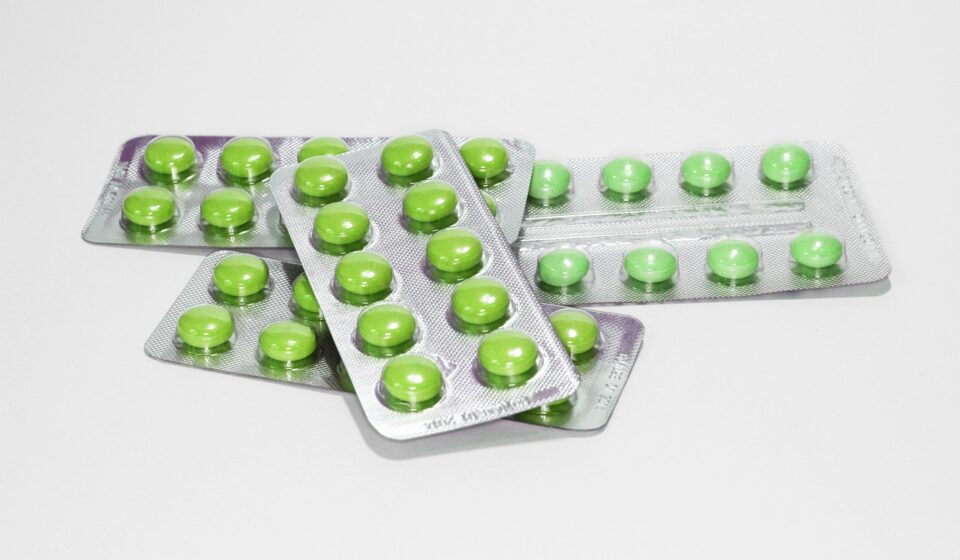
Pharmaceutical blister packs are typically designed around unit-dose protection, identification, dispensing, and shelf-life requirements. FDA guidance on tamper-resistant packaging describes blister or strip packs as systems where dosage units are individually sealed in compartments and the compartment must be torn or broken to obtain the product. That practical detail explains why blister packs remain important in over-the-counter and prescription medicine packaging: a user can often see whether an individual cavity has been breached.
Medical device blisters and trays add another layer of performance expectation. ISO 11607-1:2019 covers requirements and test methods for materials, sterile barrier systems, and packaging systems intended to maintain sterility of terminally sterilized medical devices until the point of use. In this category, seal integrity, microbial barrier performance, sterilization compatibility, and aseptic presentation can be more important than retail appearance.
Material choices and barrier trade-offs
Most blister packs combine a forming web or formed component with a closing material. The forming material creates the product cavity. The lidding or backing closes the cavity and may provide graphics, puncture resistance, push-through performance, peelability, or tamper evidence. No single material is best for every product. The correct choice depends on moisture sensitivity, oxygen sensitivity, light sensitivity, mechanical protection, line speed, seal compatibility, cost, clarity, and recycling expectations.
| Material or structure | Typical role | Strengths | Limits to evaluate |
|---|---|---|---|
| PVC film | Common thermoforming web, especially in pharmaceutical and consumer blisters | Good formability, clarity, established processing knowledge | Barrier may be insufficient for moisture-sensitive products; PVC is often viewed less favorably in recycling guidance |
| PET or APET | Clear retail blister, tray, or clamshell material | High clarity, stiffness, familiar recycling stream in some markets | Seal behavior and crack resistance must be matched to product and card or lidding material |
| PVDC-coated PVC or high-barrier laminates | Higher-barrier pharmaceutical forming films | Improved moisture and gas barrier compared with plain PVC | Multi-layer structures can complicate recyclability and require careful supplier qualification |
| PCTFE or other specialty barrier films | High-barrier transparent blister structures | Useful when visibility and enhanced barrier are both needed | Higher material cost and limited recycling options can be concerns |
| Cold-form aluminum laminate | Alu-alu pharmaceutical blister forming web | Very high barrier to moisture, oxygen, and light when intact | Opaque, larger cavity footprint, slower forming, and mixed-material construction |
| Aluminum lidding foil | Push-through or peelable closure for unit-dose blisters | Good barrier and clear evidence when punctured or broken | Foil temper, coating, print, and seal layer must match forming web and user needs |
| Paperboard backing card | Retail display, print surface, and support | Strong branding area and efficient shelf display | Coatings, adhesives, and plastic separation determine recycling practicality |
Material selection should start with the product, not with the lowest film price. A moisture-sensitive tablet may justify a higher-barrier structure that would be unnecessary for a metal hardware part. A sharp tool may need puncture resistance and trapped edges. A lightweight cosmetic accessory may need display impact and easy opening more than high barrier. In each case, the pack should be tested as a full system rather than as isolated material samples.
Compliance, safety, and validation points
Blister packaging can carry regulatory responsibilities when it is used for drugs, medical devices, child-resistant packs, food-contact items, or regulated consumer products. Details vary by jurisdiction and product category, so packaging teams should treat this section as a planning guide rather than legal advice.
For U.S. drug products, 21 CFR 211.94 states that drug product containers and closures must not be reactive, additive, or absorptive in ways that alter the safety, identity, strength, quality, or purity of the drug beyond requirements. The same section says container closure systems must provide adequate protection against foreseeable external factors in storage and use that can cause deterioration or contamination. In practical blister design, the cavity material, lidding, coating, ink, adhesive, seal, and carton should be evaluated as part of a complete container-closure strategy.
Child-resistant packaging adds another performance layer. Under 16 CFR 1700.15, special packaging standards include child-resistant effectiveness thresholds and adult-use effectiveness requirements. The regulation states not less than 85 percent child-resistant effectiveness before demonstration, not less than 80 percent after demonstration, and, for many packages, at least 90 percent senior-adult use effectiveness. For unit packaging, the child-resistant effectiveness threshold is stated as not less than 80 percent. These figures matter because a pack that appears safer by intuition may not meet a formal test method.
Tamper evidence also has to be designed, not assumed. FDA compliance guidance for certain over-the-counter human drug products identifies blister or strip packs as a technology where individual compartments must be torn or broken to obtain the product and backing materials cannot be separated and replaced without visible evidence of entry. That principle is relevant beyond medicines: if tamper evidence is a selling or safety claim, the feature needs to be visible, understandable, and resistant to clean resealing. See also: Box Design.
Validation is just as important on the production line. Forming temperature, forming depth, web thickness, seal temperature, dwell time, pressure, tooling wear, product placement, and cooling can all affect pack integrity. A blister that passes a design review can still fail if the production window is too narrow or if sealing conditions vary across cavities.
Sustainability and recyclability pressures
Blister packs face a sustainability challenge because many high-performing structures are multi-material systems. Plastic plus foil, plastic plus paperboard, coated cards, pressure-sensitive labels, and specialty barrier layers can all make sorting and recycling more difficult. This does not mean blister packaging is automatically the wrong choice. It means the protective benefit should be weighed against material complexity and the likely disposal route.
The regulatory direction in Europe is pushing packaging design toward recyclability, lower waste, clearer labeling, and recycled content. The European Commission says the Packaging and Packaging Waste Regulation begins to apply from mid-2026 and that all packaging must be recyclable by 2030. For blister pack packaging, specifications written only around appearance, speed, and cost are unlikely to remain durable. Designers should document why each layer is needed and whether a simpler structure can achieve the same protection.
Healthcare packaging has additional constraints. The Healthcare Plastics Recycling Council updated its design guidance in 2023 and emphasizes reduction, reuse where appropriate, mono-material design where possible, compatible materials when multiple materials are required, water-based adhesives, fewer labels, and minimal pigments. Its guidance also lists PVC and combinations of film with paper among less desirable design practices for healthcare plastics recycling. That does not automatically prohibit those materials, especially where regulatory or product-protection needs dominate, but it does highlight a trade-off that should be documented.
Practical sustainability improvements often come from small, verified changes: reducing flange size, right-sizing cavities, avoiding unnecessary inserts, replacing a trapped mixed-material design with a separable card where feasible, using clearer disposal labeling, or selecting a forming material that aligns with local recycling infrastructure. Claims should remain conservative unless they are supported by testing and market-specific recycling evidence.
A practical selection checklist
A useful blister specification answers the following questions before tooling is purchased:
- Product risk: Is the product sensitive to moisture, oxygen, light, static, puncture, crushing, or microbial contamination?
- Pack function: Is the priority retail display, unit-dose control, tamper evidence, sterility maintenance, theft deterrence, or transport protection?
- Opening experience: Should the user push through, peel open, tear a card, slide a sleeve, or open a clamshell?
- Material compatibility: Are forming web, lidding, inks, coatings, adhesives, and product ingredients compatible over the intended shelf life?
- Manufacturing window: Can the material form and seal reliably at the required line speed and cavity depth?
- Evidence requirements: Are seal integrity, stability, child resistance, tamper evidence, sterilization compatibility, or transport tests required?
- End of life: Can components be separated, labeled, reduced, or simplified without compromising protection?
The strongest blister designs usually come from cross-functional review. Packaging engineers, regulatory teams, marketing, procurement, production, quality, and sustainability specialists each see different risks. Bringing those views together early is less expensive than changing a formed cavity, backing card, or lidding specification after launch.
Frequently asked questions
Is blister pack packaging only for pharmaceuticals?
No. Pharmaceuticals are a major use case, but blister packs also serve retail consumer goods, hardware, electronics accessories, batteries, toys, personal care items, and medical devices. The required materials and tests vary widely by product category.
What is the difference between thermoformed and cold-form blister packaging?
Thermoformed blisters use heat and tooling to shape plastic films such as PVC, PET, or barrier laminates. Cold-form blister packaging uses a laminate, often including aluminum, that is mechanically formed without the same transparent plastic cavity. Cold-form structures usually provide stronger barrier protection but are opaque and may require more pack area.
Are blister packs recyclable?
Some mono-material or easily separated blister components may be recyclable in specific local systems, but many blister packs are difficult to recycle because they combine plastic, foil, paperboard, coatings, and adhesives. Recyclability should be evaluated by material structure and local infrastructure rather than assumed from the presence of one recyclable component.
How should a company choose between PVC, PET, and aluminum-based blister materials?
Start with product sensitivity and regulatory obligations. PET may be attractive for clear retail visibility, PVC remains common in many formed blisters, and aluminum-based structures are often selected where very high barrier protection is needed. The final choice should also consider seal compatibility, usability, validation, cost, and end-of-life expectations.
Does a blister pack automatically provide tamper evidence?
Not automatically. A blister can provide visible evidence of entry when the compartment, backing, or seal must be broken to access the product and cannot be restored without visible damage. The design still needs appropriate materials, sealing, labeling, and testing for its intended claim.