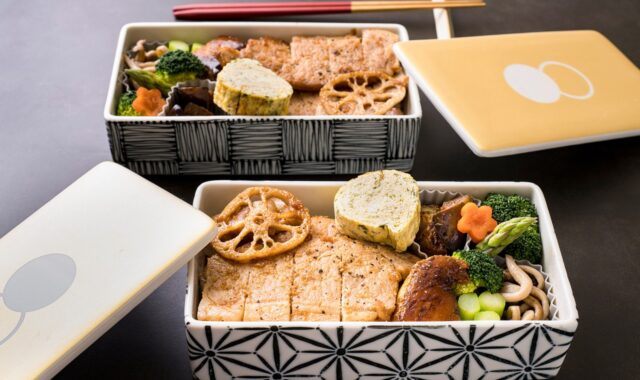
How to choose an insulated box for food packaging and delivery

a[data-rs-seo-link]{text-decoration:underline!important;color:#1a56db!important;cursor:pointer!important;}a[data-rs-seo-link]{text-decoration:underline!important;color:#1a56db!important;cursor:pointer!important;}
Quick answer
An insulated box for food is more than a thicker carton. It is a packout system: outer box, insulation, liner, coolant or heat-retention elements, closures and handling instructions working together to slow heat transfer during storage and transport. For chilled or hot time and temperature control for safety foods, the box should support a validated temperature window; it does not replace food safety controls. In U.S. practice, common reference points include the FDA Food Code, USDA FSIS consumer food safety guidance, FDA food-contact substance guidance, ISTA thermal packaging standards and EPA sustainable packaging guidance. The right specification depends on five questions: target temperature, trip duration, ambient exposure, whether any material can contact food, and how the package will be recovered or disposed of.
What an insulated food box can and cannot do
The main function of an insulated food box is to reduce the rate at which heat moves into or out of the package. It can help cold food stay cold, hot food retain heat and frozen food resist thawing. Insulation, however, does not make unsafe food safe. If food is packed outside its required temperature range, or if the route is longer or hotter than the packout was designed to handle, the box may only delay a temperature failure.
This distinction is important in real operating conditions: doorstep delivery, catering drop-offs, grocery pickup, outdoor events, meal-kit parcels and regional distribution. A box that performs well on a short urban delivery may be inadequate for a two-day parcel route exposed to summer temperatures.
For design planning, treat the box as one layer in a broader temperature-control plan. The system should include proper pre-chilling or hot holding, measured packing procedures, suitable coolant or heat-retention elements, route timing, handling labels and temperature checks where needed. For related structural packaging topics, see the Box Design section.
Start with the temperature target and route conditions
Choosing an insulated box before defining the temperature target often leads to overpackaging, underperformance or both. A practical brief starts with the food category and distribution model. Chilled seafood, frozen desserts, prepared meals, hot catering pans and shelf-stable snacks with chocolate coatings all carry different temperature and quality risks.
In U.S. food safety language, the 2022 FDA Food Code uses 41°F or below as the cold-holding reference for many time and temperature control for safety foods in retail and foodservice settings, and 135°F or above for hot holding. USDA FSIS consumer guidance describes the 40°F to 140°F range as the danger zone and advises that perishable foods should not be left in that range for more than two hours, or one hour when temperatures are above 90°F. These figures are not packaging performance claims; they are reference points for deciding what the package must help maintain.
| Use case | Main risk | Design priority |
|---|---|---|
| Prepared chilled meals | Warming during last-mile delivery | Pre-chilled product, tight internal fit, gel packs and short route design |
| Frozen food parcels | Thawing during parcel transit | Higher insulation value, more coolant capacity and validation against warm profiles |
| Hot catering food | Heat loss before serving | Low headspace, insulated liner, fast dispatch and clear service timing |
| Grocery pickup | Mixed temperatures in one order | Separate chilled, frozen and ambient items rather than one universal box |
| Chocolate or bakery items | Texture damage, melting or condensation | Moderate temperature buffering, moisture control and gentle cushioning |
The route profile matters as much as the food. A 30-minute courier delivery, a same-day refrigerated van route and an unrefrigerated parcel shipment require different assumptions. Ambient temperature, sun exposure, warehouse dwell time, vehicle type, opening frequency and possible weekend delays should be considered before material and coolant decisions are finalized.
The main parts of an insulated box for food
Most insulated food box designs use several layers, each with a specific role. The outer carton or shell provides stacking strength, printable surface area and protection from handling damage. The insulation layer slows heat transfer. A liner or inner bag can improve moisture resistance and hygiene. Coolant, phase change material or heat packs help manage internal temperature. Dunnage limits movement, while tapes, tabs or locking features reduce air exchange.
Internal headspace deserves close attention. Too much empty space allows air to circulate and wastes coolant capacity. Too little space can crush food containers or prevent coolant from being placed where it works best. The packout should position coolant close to heat entry points and around the highest-risk items without causing freeze damage to products that should only be chilled.
Moisture is another common failure point. Ice packs can sweat, frozen items can release condensation, and hot food can generate steam. If the outer corrugated board becomes wet, compression strength may drop. A moisture barrier, absorbent pad or separate sealed primary container may be needed, especially for seafood, meat, ready meals and sauces.
Material options and tradeoffs
No single insulation material is ideal for every food application. Expanded polystyrene has long been used because it is lightweight and thermally efficient, but recovery can be difficult in many local recycling systems and bulky disposal is a concern. Molded fiber and paper-based systems may better support brand and recovery goals, but their thermal performance, moisture resistance and cost depend heavily on structure, coatings and packout design. Foil bubble liners are compact and useful for short-duration shipments, but they may not be enough for demanding cold-chain routes.
| Option | Strengths | Limitations to check |
|---|---|---|
| EPS foam shipper | Strong insulation-to-weight performance and familiar cold-chain use | Bulky storage, breakage, local recycling access and customer disposal concerns |
| Foil or metallized liner | Thin, flexible and easy to insert into cartons | Often best for short routes; seams, punctures and closure quality matter |
| Molded pulp or fiber insulation | Paper-based appearance and potential curbside acceptance where programs allow | Moisture resistance, thickness and thermal testing must be verified |
| Insulated reusable tote | Good for closed-loop catering, grocery and internal logistics | Requires reverse logistics, cleaning control and asset tracking |
| Vacuum insulated panel system | High thermal performance in thin walls | Higher cost and sensitivity to puncture or edge damage |
Material selection should be tied to measurable performance. A paper-based liner that misses temperature targets is not more sustainable if it causes food waste or reshipments. Likewise, a high-performance foam system may be excessive for a short local route. The better design is the one that meets the temperature requirement with the least unnecessary material, damage and operational complexity.
Food-contact and regulatory checks
Packaging teams should distinguish between primary food-contact packaging and secondary insulated packaging. If the food is sealed inside a tray, pouch, cup or bag, the insulated box may not directly contact the food. If ice, condensate or loose food can touch liners, coatings, absorbent pads or insulation, those materials may need food-contact suitability for the intended use.
In the United States, FDA regulates food-contact substances, including packaging components that may reasonably be expected to contact food. FDA guidance also notes that manufacturers are responsible for ensuring food-contact materials comply with applicable authorizations and limitations. For paper and paperboard, relevant federal regulations include parts of 21 CFR covering components used in contact with aqueous, fatty or dry foods. For buyers, this usually means requesting written supplier documentation rather than relying on a general food grade claim.
Grease and moisture resistance deserve special attention. On February 28, 2024, FDA announced that PFAS-containing grease-proofing substances for paper food packaging were no longer being sold by manufacturers for food-contact use in the U.S. market. FDA later described related food-contact notifications for those grease-proofing uses as no longer effective after abandonment of those uses. For insulated food boxes that use coated paper, molded fiber or grease-resistant inserts, packaging teams should ask suppliers what chemistry is used and whether it is appropriate for the target market. See also: Buying Guides.
Validation testing is where design becomes evidence
A prototype that feels cold to the touch is not a validated insulated box. Performance should be checked with product or product simulants, the actual packout pattern, expected dwell time and realistic ambient profiles. ISTA thermal standards, including procedures and guidance for insulated shipping containers and parcel delivery profiles, are commonly used reference points for structured thermal transport testing.
A practical validation plan should record starting product temperature, coolant conditioning, packout sequence, internal sensor locations, ambient conditions, package orientation and total elapsed time. Sensors should be placed near likely warm spots, not only beside the coolant. If the box is opened during delivery, that event should be reflected in testing. If routes vary by season, both summer and winter profiles may be necessary.
- Define the pass or fail limit. Use the required product temperature range, not a general promise to keep food fresh.
- Test the complete packout. Carton, insulation, liner, coolant, tape and food load all affect performance.
- Include handling stress. Drops, compression and vibration can open gaps or crack insulation.
- Repeat when variables change. A new gel pack, carton size, supplier, coating or product weight can change the result.
- Document instructions. Warehouse teams need clear packing order, coolant quantity and closure method.
Validation also supports cost control. Without data, teams often add more insulation or coolant than needed. With data, they can right-size the design for specific lanes, seasons and service levels.
Sustainability and cost should be designed together
Sustainable design for insulated food packaging is not limited to choosing a material with a greener name. EPA sustainable materials guidance emphasizes reducing material impacts, improving recovery and considering the full life cycle of packaging. For food, the package must also prevent avoidable spoilage and damage. A lightweight package that fails temperature control can create a larger environmental and financial loss through wasted food.
Useful improvement levers include right-sizing the carton, reducing empty headspace, separating temperature zones, using curbside-recoverable corrugated where feasible, designing liners for easy separation and printing clear disposal instructions. For closed-loop operations such as catering, commissary delivery or grocery routes, reusable insulated totes may reduce single-use packaging, but only when return rates, cleaning, transport distance and loss rates are managed.
Cost should be evaluated per successful delivery, not only per box. The real cost includes product loss, customer complaints, replacement shipments, warehouse labor, storage cube, coolant freezing capacity, freight dimensional weight and end-of-life handling. A slightly higher unit-cost design may be cheaper if it reduces failures and simplifies packing.
A practical selection checklist
- Define the product temperature range and the maximum allowed transit time.
- Separate chilled, frozen, hot and ambient products unless testing supports a mixed packout.
- Confirm whether any component directly contacts food, ice melt or condensation.
- Request food-contact and coating documentation from suppliers where applicable.
- Choose insulation based on route evidence, not appearance alone.
- Control headspace and movement inside the box.
- Validate the complete packout under warm and cold seasonal conditions when relevant.
- Document packing steps so performance does not depend on individual guesswork.
- Review local recovery options before making recycling or composting claims.
- Re-test when the product, route, coolant, material or carton size changes.
Frequently asked questions
How long will an insulated box for food keep items cold?
There is no universal time. Duration depends on starting food temperature, insulation thickness, coolant type and quantity, box size, ambient temperature, handling and whether the package is opened. A box used for food safety or cold-chain shipping should be validated for the actual route and packout.
Can one insulated box carry frozen, chilled and room-temperature foods together?
It is possible on some short routes, but it is risky without testing. Frozen items may partially thaw, chilled items may freeze near coolant, and room-temperature items may suffer condensation or texture changes. Separate temperature zones are usually easier to control.
Does a recyclable insulated box automatically make packaging more sustainable?
No. Recovery is important, but sustainability also depends on material quantity, food waste prevention, transport weight, local recycling access, contamination and customer behavior. A recyclable design that fails temperature control can be a poor overall choice.
What documents should buyers request from suppliers?
For food-related use, buyers should request material specifications, food-contact suitability statements where relevant, coating information, performance test data, safe-use limitations and disposal guidance. For temperature-critical shipments, they should also request or generate packout validation records.
Is an insulated food box enough for regulatory compliance?
No. The box is only one part of compliance and food safety management. Operators must also control food preparation, holding temperature, packing, transport time, sanitation, labeling and local regulatory requirements.