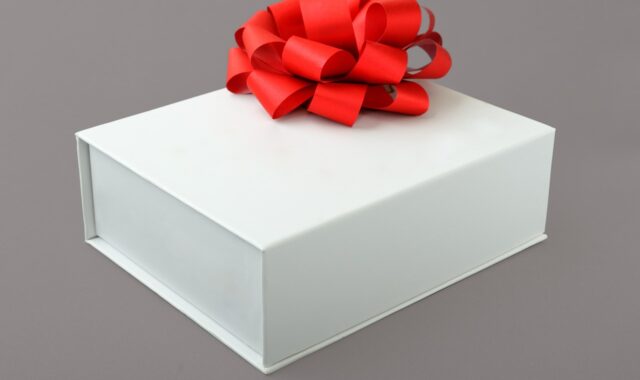
How to choose a 10 inch cake box for bakery packaging

a[data-rs-seo-link]{text-decoration:underline!important;color:#1a56db!important;cursor:pointer!important;}a[data-rs-seo-link]{text-decoration:underline!important;color:#1a56db!important;cursor:pointer!important;}
Why a 10 inch cake box needs more than a 10 inch label
A 10 inch cake box is often treated as a standard item, but bakery packaging usually needs a more precise specification. The right box depends on the cake board diameter, finished height, frosting style, toppings, transport distance, refrigeration needs, and display method. For most bakeries, the safer starting point is the complete package system: cake, board, inserts, height clearance, lid style, and labeling area.
If the box is too tight, the lid or sidewall can scrape frosting and decoration. If it is too loose, the board may slide during carrying or braking. A workable specification should provide controlled clearance, suitable food-safe materials, and a structure that looks presentable while holding up to normal bakery handling.
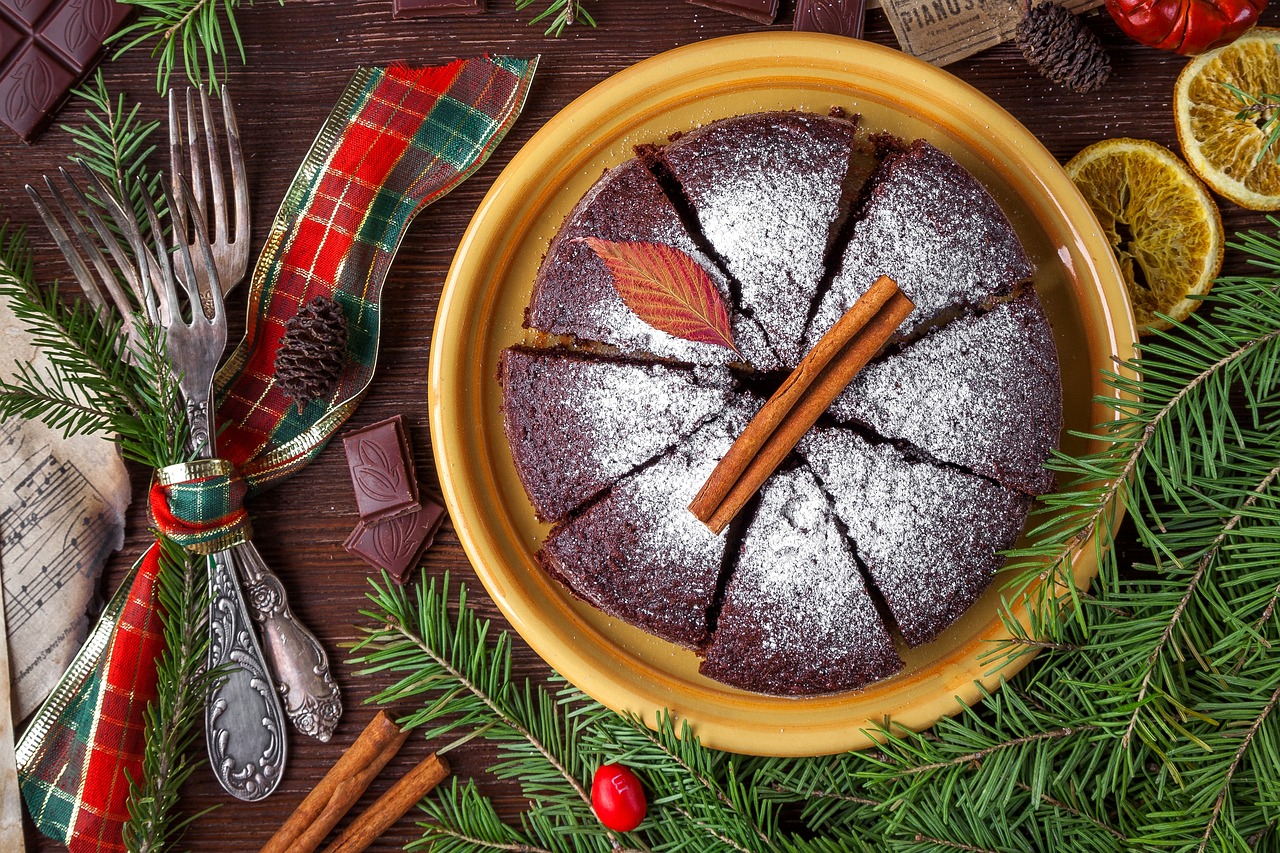
This article explains how to specify a practical 10 inch cake box for retail bakery, café, and event cake use without assuming that every supplier uses the same dimensions. For more packaging structure ideas, see our Box Design section.
Start with the cake board, not only the cake diameter
The most common sizing mistake is matching the box to the decorated cake diameter instead of the cake board. A 10 inch cake may sit on a 10 inch, 11 inch, or 12 inch board depending on frosting style, border piping, stacked height, and how much handling room the bakery wants. If a box is described as 10 x 10 inches, confirm whether that measurement is the internal usable size or the external carton size. Packaging is normally specified by internal dimensions when fit matters, but retail listings are not always consistent.
For a round 10 inch cake, the package should usually leave a small amount of clearance around the board while limiting movement in transit. Very delicate cakes may need a locking insert, base tray, or non-slip pad. Tall buttercream borders, chocolate sails, fruit toppings, and cake toppers can change the required height more than the sponge itself.
| What to measure | Why it matters | Specification note |
|---|---|---|
| Cake board diameter | Determines the minimum footprint | Use the board size as the main fit dimension |
| Finished cake height | Prevents lid contact with frosting or decorations | Measure after frosting, toppers, and any dome effect |
| Side decoration | Affects safe clearance | Allow extra room for piped borders and textured finishes |
| Transport condition | Influences board grade and closure style | Longer journeys usually need a sturdier base |
| Display method | Impacts window, print, and branding choices | Counter display favors visibility and clean panels |
Treat the phrase “10 inch cake box” as a search term, not as a finished specification. A production-ready brief should list internal length, internal width, internal height, board fit, material, coating if any, window film if any, and closure type.
Choose the right structure for handling and presentation
Cake boxes are containers, temporary display cases, carrying aids, and brand surfaces. The best structure depends on how the cake is sold and moved. A same-day counter cake has different packaging needs from a preordered celebration cake that may travel across town in a customer’s car.
One-piece folding cake boxes
One-piece folding paperboard boxes are common in bakeries because they ship flat, assemble quickly, and provide enough stiffness for many single-tier cakes. They work well when the cake is not excessively heavy and the box is supported from the bottom during carrying. The main design risk is sidewall flex, especially when the box is large, the board is thin, or staff lift the package by the sides instead of the base.
Two-piece base and lid boxes
A separate base and lid can make loading easier because the cake is placed on the base first and then covered. This style is useful for decorated cakes that should not be lowered into a narrow opening. It also gives a more premium reveal at pickup. The tradeoff is that the lid must fit securely enough to avoid shifting, and the base must be stiff enough to carry the weight.
Window cake boxes
A window can improve shelf visibility and reduce the need to open the package for inspection. It is especially useful for decorated cakes, seasonal designs, and premium bakery counters. However, windows add a second material and can complicate recycling depending on the local waste stream and whether the film is removed. A window also reduces printable paperboard area, so the design should reserve enough space for branding, product information, and required label elements.
Corrugated options for heavier cakes
For dense cheesecakes, multi-layer sponge cakes, or longer transportation, micro-flute corrugated board may provide better stiffness than lightweight paperboard. Industry systems such as the FEFCO code classify common corrugated packaging styles, and corrugated board is generally selected by structure, flute profile, liner, and performance requirement rather than appearance alone. For bakery use, the challenge is to balance strength with a clean retail look.
Material decisions affect safety, stiffness, and the customer experience
Material choice should account for direct food contact risk, grease exposure, condensation, print quality, and carrying strength. Many cakes sit on a cake board, so the outer box may not touch the cake directly. Even then, packaging buyers should confirm food-contact suitability for any surface that may touch food or absorb grease. The U.S. Food and Drug Administration treats substances used in food packaging that may reasonably become components of food as food-contact substances, which makes supplier documentation important for bakeries that package food for sale.
White solid bleached paperboard is often chosen for a clean bakery appearance and sharp printing. Kraft paperboard gives a more natural look, although color variation may affect brand consistency. Coated paperboard can resist grease and moisture better than uncoated board, but coatings should be assessed for food-contact suitability and end-of-life considerations. Corrugated micro-flute structures add stiffness and cushioning, but they may look more industrial unless the graphics and finishing are handled carefully.
- For light retail cakes: folding paperboard may be adequate if the base is supported and the fit is controlled.
- For decorated celebration cakes: a two-piece structure or front-loading style can reduce decoration damage during packing.
- For chilled cakes: moisture resistance and condensation behavior matter as much as dry stiffness.
- For heavier cakes: a reinforced base, thicker board, or corrugated construction may be more appropriate.
- For premium display: smooth outer surfaces, aligned windows, and clean tuck closures help the box feel intentional rather than generic.
Design details that prevent common bakery packaging failures
Small structural details often determine whether a 10 inch cake box works in daily service. Bakery staff may assemble dozens of boxes during a rush, so the design needs to be intuitive. A box that looks elegant but folds slowly can create operational friction. A box that folds quickly but leaves weak corners can become risky once a cake is inside.
Clearance and movement control
Clearance should protect frosting without creating unnecessary movement. If the cake board can slide, the cake may hit the sidewall during braking or turning. Inserts, base tabs, corner locks, or a slightly textured base can improve stability. For high-value cakes, the cost of a more controlled structure may be lower than the cost of remakes, refunds, or customer dissatisfaction.
Lid height and topper space
A standard cake height is not enough information when the cake includes toppers, berries, macarons, candles, or floral decorations. If toppers are inserted after pickup, the box can be lower. If toppers travel inside the package, the box must be tall enough to protect them without pressing them into the cake surface. Some bakeries use taller universal boxes to simplify inventory, but this can increase material use and reduce stack efficiency.
Hand access and opening experience
Customers often open a cake box at home without bakery tools or professional handling habits. Tabs should be easy to identify, and the lid should open without requiring the customer to tilt the cake. If the cake is intended for photography, the box should allow a clean reveal. A front-opening or lift-off lid can be better than a deep top-loading box for delicate decoration. See also: Buying Guides.
Print placement and brand readability
For a 10 inch cake box, top-panel branding is visible in display and pickup photos, while side panels may be more visible during carrying. Keep essential design elements away from fold lines, locking tabs, and window edges. If the box will carry a label, reserve a flat area where the label will not wrap over a corner or cover the viewing window.
Labeling and compliance points to check before printing
Bakery packaging design should leave room for labels and should not rely on decoration alone. In the United States, packaged consumer foods may be subject to requirements covering product identity, net quantity, business information, ingredient and allergen statements, and nutrition labeling depending on how and where the product is sold. The Fair Packaging and Labeling Act framework, FDA food labeling rules, and state or local requirements can all become relevant. Small businesses may have some nutrition labeling exemptions in certain situations, but exemptions are not the same as a general exemption from accurate labeling.
Because bakery sales channels vary, a box designer should avoid crowding the artwork before required information is planned. A cake sold directly at a local bakery counter may be labeled differently from a packaged cake sold through a retail store, delivery platform, or wholesale account. If the box is intended for multiple products, use a label system that can handle flavor, allergen, net weight, production date, storage instructions, and barcode needs without covering key branding or windows.
- Confirm which surfaces may contact food and request appropriate food-contact documentation from the packaging supplier.
- Reserve a flat label area before approving artwork.
- Do not let a decorative window remove the only practical space for required product information.
- Check whether chilled or frozen storage affects adhesive labels, inks, and board stiffness.
- Avoid unsupported environmental claims such as “recyclable,” “compostable,” or “plastic-free” unless the material and local context support the claim.
This section is a design overview, not legal advice. Bakeries should confirm requirements with qualified regulatory resources for their market and sales channel before mass printing.
A practical specification checklist for a 10 inch cake box
Turning a search phrase into a purchase-ready packaging brief helps prevent supplier confusion. Instead of asking only for a 10 inch cake box, provide a structured specification that covers the cake, the board, the storage condition, the branding method, and the expected handling environment.
| Specification item | What to write in the brief | Why it reduces risk |
|---|---|---|
| Internal size | Length x width x height, with units | Prevents confusion between internal and external dimensions |
| Cake board fit | Actual board diameter and thickness | Ensures the box is sized for the full cake system |
| Material | Paperboard, kraft, coated board, or micro-flute corrugated | Aligns strength, appearance, and storage conditions |
| Food-contact status | Direct or indirect contact, documentation needed | Supports safer bakery packaging decisions |
| Closure style | Tuck top, lock corner, lift-off lid, front load, or handle option | Affects speed, security, and customer opening |
| Window | No window, top window, side window, or custom shape | Balances visibility, label space, and material complexity |
| Decoration risk | Buttercream, fondant, toppings, topper height | Prevents lid contact and sidewall scraping |
| Use case | Counter pickup, delivery, refrigerated display, event transport | Helps determine stiffness and moisture resistance |
For many bakeries, the most efficient approach is to standardize two or three cake box sizes rather than carry a different box for every cake diameter. A 10 inch cake with a simple low profile might fit one format, while a tall decorated cake may need a taller or stronger structure. Standardization reduces purchasing complexity, but it should not force delicate cakes into a poorly fitting package.
Cost and sustainability tradeoffs
Cost control matters, but the cheapest box is not always the lowest-cost packaging decision. Thin board can cause crushed corners, lid contact, or customer handling problems. Oversized boxes can increase material use, storage space, shipping volume, and visual awkwardness. A good specification finds the narrow middle ground: enough material to protect the cake, not so much that the package becomes inefficient.
Sustainability claims also need precision. Paper-based bakery boxes are familiar to many consumers, but windows, coatings, grease resistance treatments, inks, adhesives, and food residue can affect disposal options. Forest certification, recycled content, and responsible sourcing can support a more credible material story, but they should be documented rather than implied. If a bakery wants to communicate environmental benefits, the artwork should use claims that are specific, verifiable, and appropriate for the market.
The stronger packaging decision is usually the one that reduces product damage, unnecessary replacements, and overpackaging at the same time. For a 10 inch cake box, this means choosing the smallest structure that safely fits the board and decoration, using the right material for the handling environment, and avoiding design features that add complexity without improving protection or presentation.
Frequently asked questions
What size box do I need for a 10 inch cake?
Measure the cake board first. If the cake sits on a board larger than 10 inches, a box labeled 10 x 10 inches may be too small. Confirm the internal dimensions, height clearance, and whether the cake needs extra room for borders, toppers, or inserts.
Should a 10 inch cake box have a window?
A window is useful when visual presentation helps sell the cake or reassures the customer at pickup. It may be less useful for delivery-heavy operations where strength, stackability, and label space matter more. If using a window, plan where required labels and brand elements will go.
Is paperboard strong enough for a 10 inch cake?
It can be, depending on cake weight, board support, box grade, and transport distance. Heavy cheesecakes, tall cakes, or long customer journeys may justify a reinforced base or micro-flute corrugated option.
Can one 10 inch cake box fit all 10 inch cakes?
Not reliably. A short undecorated cake and a tall celebration cake may share the same diameter but need different heights and loading styles. Decoration, board size, and handling method are often more important than the cake diameter alone.
What should bakeries confirm before custom printing cake boxes?
Confirm internal dimensions, food-contact suitability, board strength, label space, storage conditions, color expectations, and whether the artwork leaves room for product-specific information. Testing a physical sample with a real cake is the most practical final check.