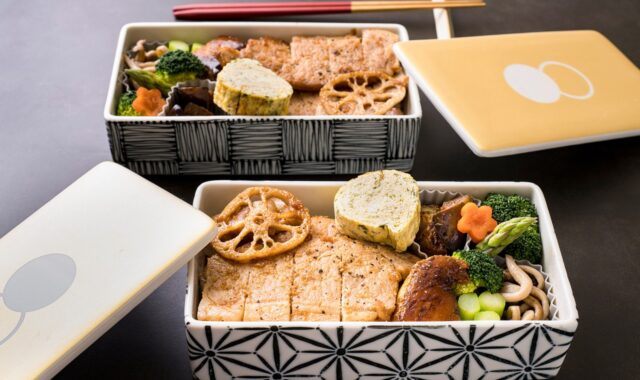
Dry fruit packing box design guide for retail and gift packaging
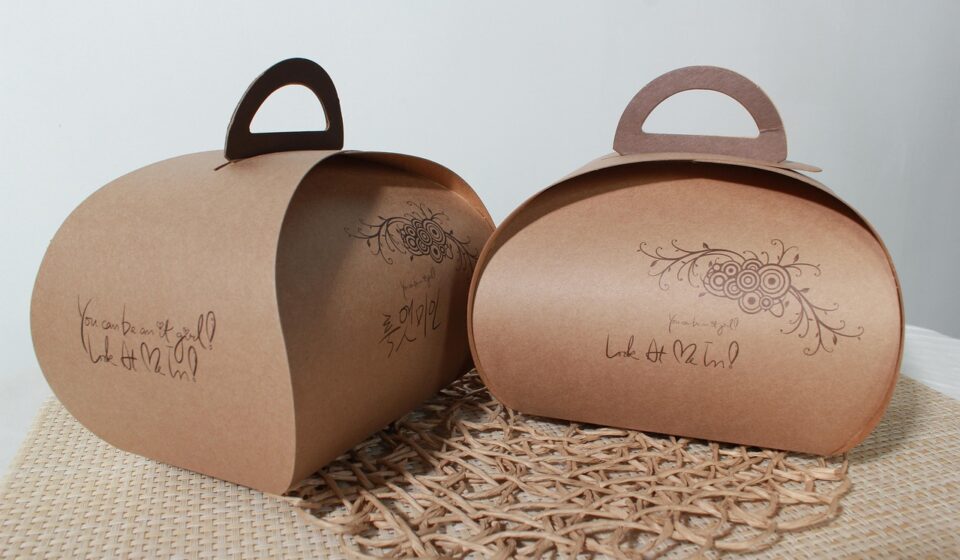
a[data-rs-seo-link]{text-decoration:underline!important;color:#1a56db!important;cursor:pointer!important;}a[data-rs-seo-link]{text-decoration:underline!important;color:#1a56db!important;cursor:pointer!important;}
A dry fruit packing box has to do more than look premium on a shelf. It must help protect a moisture-sensitive food, leave enough room for compliant product information, withstand handling, and support the brand position without making unsupported freshness or sustainability claims. In most commercial dried fruit packs, the paperboard box is not the only protective layer. It works with a food-contact pouch, tray, liner or inner wrap that controls moisture, oxygen, aroma transfer and contamination risk. A sound design separates the two main jobs: the inner pack protects the food, while the outer box supports display, stacking, gifting, communication and logistics.
Why dried fruit needs more than an attractive box
Dried fruit is often seen as shelf-stable because much of its water has been removed, but it is not immune to packaging problems. Raisins, dates, figs, apricots, mango slices, cranberries and mixed dried fruit can still absorb moisture from the surrounding environment. If moisture rises too much, texture, flavor, clumping and mold risk can become concerns. Oxygen exposure may also affect color, aroma and fat-containing inclusions such as nuts in mixed packs.
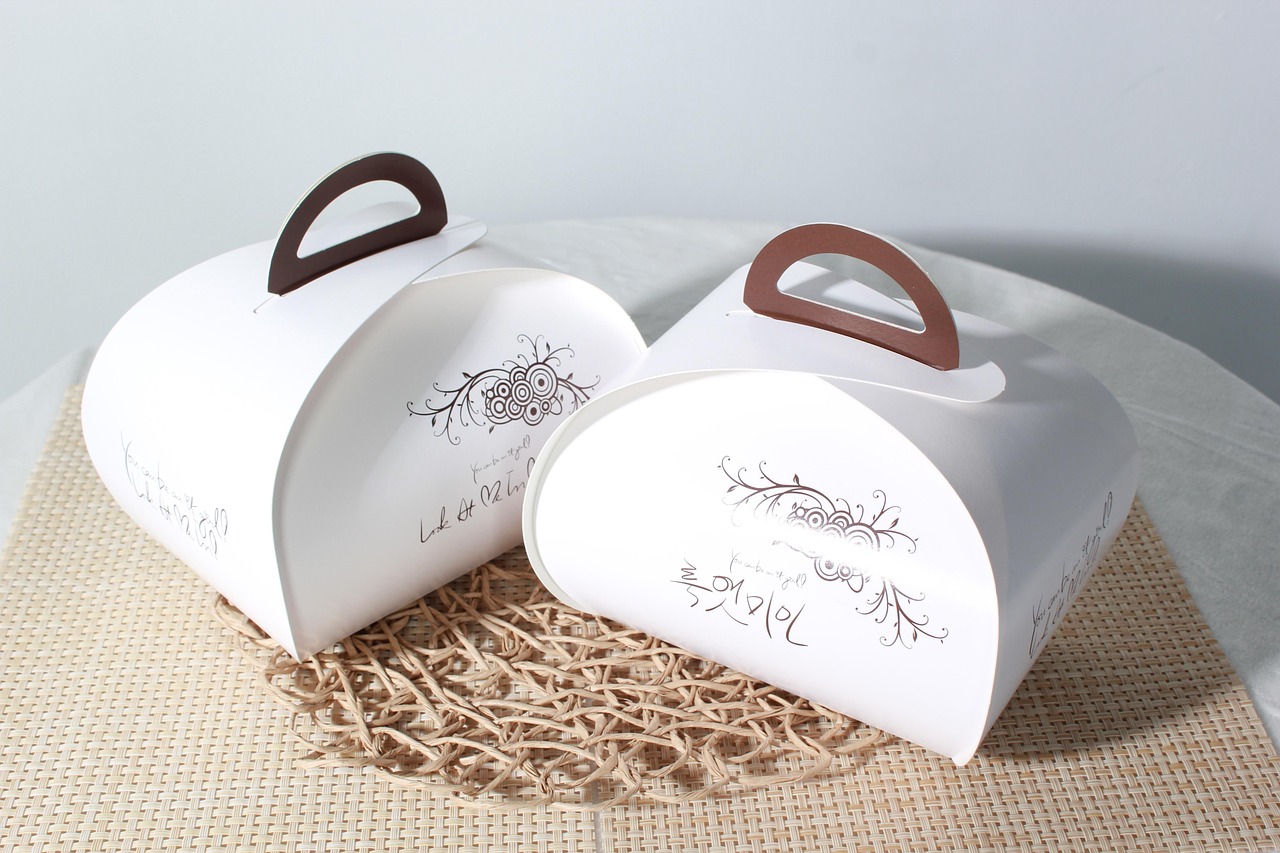
That is why a dry fruit packing box should be treated as part of a packaging system, not as a stand-alone container. Public food preservation guidance commonly emphasizes clean, dry, insect-resistant containers and avoidance of condensation when packing dried foods. Food packaging research on dried fruit also points to the need for good water vapor barriers and, depending on the fruit and formulation, barriers against oxygen and volatile compounds.
The practical point is straightforward: paperboard can create the retail format, but the food-facing layer must be selected for the product’s shelf-life target. A well-finished folding carton with a weak inner pouch may fail faster than a plain carton paired with a suitable sealed liner.
Choose the box format around the selling occasion
The right structure depends on how the product will be sold, opened and, in some cases, reused. A small everyday snack pack does not need the same format as a holiday gift assortment. Before selecting board grade, surface finish or window size, define the primary use case.
- Retail shelf carton: Suitable for supermarkets, specialty food stores and health food aisles. It should stand upright, communicate quickly and provide clear space for net weight, flavor and ingredient information.
- Gift box: Suitable for festival assortments, corporate gifts and premium ranges. Rigid boxes, drawer boxes and magnetic-style cartons can improve perceived value, but they usually need protective inserts and secondary wraps.
- Subscription or ecommerce box: Needs stronger compression resistance, secure closures and fewer fragile decorative elements. The product may face vibration, drops and temperature changes during delivery.
- Multipack sleeve: Works when several sealed sachets or trays are grouped together. The sleeve should hold units tightly enough to limit movement while still allowing easy removal.
- Display-ready tray or carton: Useful for stores that want fast replenishment. The design should convert from shipping to display without tools or excessive tearing.
For more structural ideas across packaging categories, the box design section can be used as a starting point for comparing cartons, sleeves, trays and presentation boxes.
Match material layers to the real protection requirement
Paperboard is valued because it prints well, forms clean edges and can give dry fruit packaging a natural or premium appearance. However, ordinary board is not a high moisture or oxygen barrier by itself. A safe design should identify which layer performs each function.
| Packaging layer | Main role | Design note |
|---|---|---|
| Outer paperboard box | Branding, shelf display, stacking and physical presentation | Select thickness and structure based on weight, pack size and distribution channel. |
| Inner pouch or liner | Moisture, oxygen and aroma protection | Choose based on shelf-life target, sealing method and food-contact suitability. |
| Tray or insert | Product separation and gift presentation | Useful for assortments, but must not create excess headspace or movement. |
| Window film | Product visibility | Should be limited if light exposure, recyclability or barrier performance is a concern. |
| Closure system | Tamper evidence, resealability and user convenience | Consider tear strips, tuck locks, labels or resealable inner packs. |
For dried fruit sold in larger family packs, resealability can matter as much as first-opening protection. Once the consumer opens the inner pack, the product may be exposed to household humidity. A resealable zipper pouch inside a carton can help maintain usability, while a carton alone rarely provides enough post-opening protection.
Design for food contact, labeling space and regulatory review
A dry fruit packing box may carry food, but not every visible packaging component should touch food directly. In the United States, the U.S. Food and Drug Administration regulates food-contact substances, including packaging materials from which components may reasonably be expected to migrate into food. This makes supplier documentation important for pouches, coatings, inks, adhesives, trays and liners that are intended for food-contact use.
For international distribution, requirements may differ by market. Avoid vague phrases such as “food grade box” unless the specific contact layer, intended conditions of use and supporting documentation are known. A clearer specification names the food-contact component and its intended use, such as a sealed food-contact pouch inside a printed paperboard carton.
The box layout also needs enough room for required and expected product details. These can include product name, net quantity, ingredient list, allergen information where applicable, nutrition information, lot code, best-before or expiration date, storage instructions, manufacturer or distributor details, country of origin where required, barcode and disposal guidance. Even when final label compliance is handled by the brand owner, packaging designers should reserve practical space for these items from the first dieline stage.
Dry fruit assortments need extra care because allergens and cross-contact information may be more complex when nuts, chocolate, seeds or sulfited fruit are included. Critical safety information should not be placed on curved, folded or easily damaged panels.
Balance visibility, shelf appeal and product protection
Many dry fruit brands want a window because consumers like to see color, size and mix quality. A window can increase trust, especially for premium assortments where the fruit is visually attractive. The trade-off is that a window can reduce printable area, complicate recycling and expose the product to light if the inner pack is transparent.
A small, shaped window is often more practical than a large one. It can show enough product to reassure shoppers while preserving structural strength and graphic space. For high-color products such as dried mango, cranberries or apricots, window placement should avoid areas most likely to be scuffed during transport. For darker products such as dates, figs and raisins, strong typography and photography may communicate quality better than a large transparent panel.
Graphic hierarchy is also important. On a crowded shelf, shoppers should understand the product type within seconds. The front panel should prioritize the product name, fruit variety or mix, key differentiator and net weight. Secondary claims such as “no added sugar,” “organic,” “sulfite-free” or “source of fiber” should appear only when they are accurate and supported by the product formulation and applicable rules. See also: Buying Guides.
Use structure to reduce damage and improve handling
Dried fruit is less fragile than fresh fruit, but packaging damage still affects consumer perception. Crushed corners, loose inserts, leaking pouches and dusty surfaces can make a premium product look neglected. The carton should be checked against realistic handling conditions, not only judged on a flat artwork proof.
- Compression resistance: Check whether stacked cartons deform under warehouse and retail conditions.
- Insert fit: Gift assortments should hold cups, trays or pouches firmly without making removal difficult.
- Closure security: Tuck flaps should not open during transit, especially for ecommerce packs.
- Moisture exposure: Outer board should tolerate normal distribution humidity, even when the inner pack provides the primary product barrier.
- Opening experience: The consumer should be able to open the box without tearing important information or spilling the contents.
For heavier dates or mixed fruit-and-nut assortments, structural inserts can prevent product migration and keep the presentation tidy. For lightweight snack cartons, reducing empty space may be more important because excessive headspace can make the pack feel underfilled even when the net weight is correct.
Make sustainability claims specific and verifiable
Paper-based packaging can support a more natural visual identity, but sustainability claims need careful wording. A dry fruit packing box may contain paperboard, plastic film, adhesives, coatings, labels and metallic effects. If the inner barrier is not recyclable through common systems, a broad “recyclable packaging” claim may be misleading in some markets.
Responsible design starts with material simplification. Avoid unnecessary laminates, oversized rigid structures and decorative components that do not improve protection or user experience. If certified paperboard is used, certification marks should follow the relevant organization’s usage rules. If recycled content is claimed, the percentage and component should be clear. If compostability is claimed, it should be backed by appropriate testing and should specify whether it applies to home or industrial composting.
Designers can also reduce waste by improving right-sizing. A gift box should feel generous, but exaggerated empty space can create a poor unboxing experience and increase shipping volume. For ecommerce, a compact structure with adequate cushioning may be more sustainable than a visually impressive box that requires a second oversized shipping carton.
Practical checklist for a dry fruit packing box brief
Before artwork begins, a packaging brief should answer technical and commercial questions together. This reduces redesign later and helps avoid a box that looks good but fails in production, filling or distribution.
- What fruit or fruit mix will be packed, and does it include nuts, chocolate, seeds or sulfited ingredients?
- What shelf life is expected, and which layer provides the moisture and oxygen barrier?
- Will the product be sold in stores, online, as a gift, or through multiple channels?
- Is the inner pack food-contact suitable for the intended product and conditions of use?
- Does the dieline provide enough space for nutrition, allergen, barcode, lot and date coding information?
- Does the pack need resealability after opening?
- Will a window improve trust, or will photography and typography protect the product better?
- Can the carton be stacked, shipped and opened without visible damage?
- Are sustainability claims specific to the actual component and supported by documentation?
- Has the design been reviewed with production, filling and logistics teams before final approval?
The strongest dry fruit packing box designs are not built around a single visual trend. They combine product protection, honest communication, efficient structure and a clear buying occasion. When the food-facing barrier, carton format, label layout and sustainability message are planned together, the box can support freshness perception, retail performance and consumer trust without relying on exaggerated claims.
Frequently asked questions
Can paperboard alone protect dried fruit?
Usually not for commercial shelf-life expectations. Paperboard can protect the pack physically and support branding, but dried fruit often needs a sealed food-contact pouch, liner or tray system to manage moisture, oxygen and contamination risk.
Is a window recommended for every dry fruit box?
No. A window can build trust by showing the product, but it may reduce printable area, affect recyclability and increase light exposure. It works best when the product is visually appealing and the inner barrier still protects quality.
What is the most important design mistake to avoid?
The biggest mistake is treating the carton as the only protective package. The outer box, inner food-contact layer, closure, label space and distribution method should be designed as one system.
How should brands handle sustainability claims?
Claims should be specific, documented and tied to actual components. Instead of broad statements, identify whether the paperboard, inner pouch, window film or complete pack is recyclable, certified, recycled-content or compostable.