Recyclable packaging materials and how to choose them for real-world recovery

a[data-rs-seo-link]{text-decoration:underline!important;color:#1a56db!important;cursor:pointer!important;}a[data-rs-seo-link]{text-decoration:underline!important;color:#1a56db!important;cursor:pointer!important;}
Recyclable packaging materials reduce waste only when the finished package can be collected, sorted, reprocessed, and sold into a real end market. A recycling symbol or a familiar material name is not enough. Corrugated board, paper-based formats, metals, glass, PET, HDPE, PP, and some flexible films can all be suitable choices, but their performance depends on local infrastructure, package design, contamination risk, and labeling rules. This article explains how to compare recyclable options in practical terms, using public data from agencies such as the U.S. EPA, regulatory direction from the European Commission, and claim guidance from the U.S. Federal Trade Commission. For related background on material types, visit the Packaging Materials section.
What recyclable packaging materials mean in practice
A recyclable material is not automatically a recyclable package. A resin, fiber, or metal may be widely reprocessed in one format and difficult to recover in another. A clear PET bottle and a dark, multi-component PET tray do not create the same sorting and reprocessing result. A paperboard carton with heavy plastic coating is not the same as an uncoated corrugated shipper. A flexible pouch may use less material than a rigid container, but it may also be harder to collect through curbside programs.
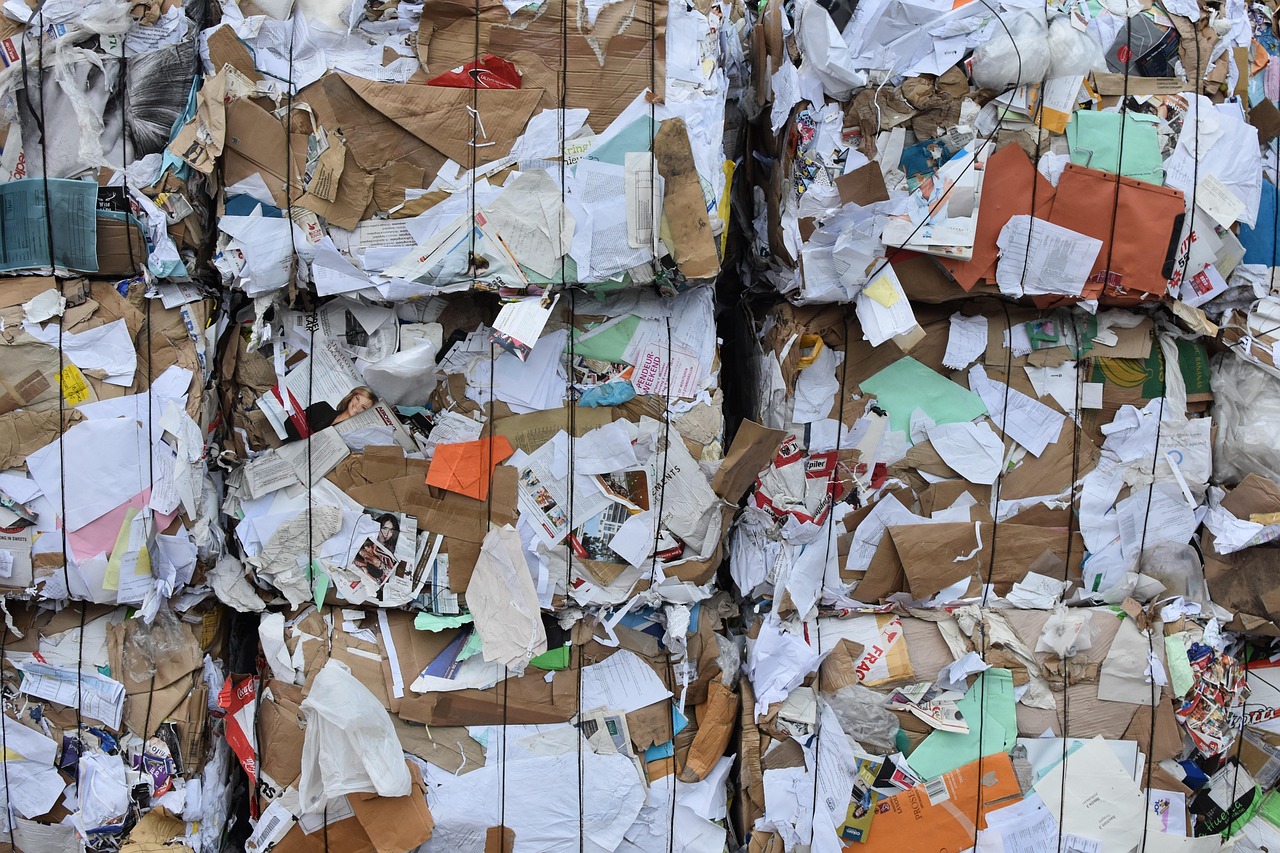
The practical question is not simply whether the base material is recyclable. It is whether the finished package is likely to move through the recovery chain without being rejected. That chain includes consumer understanding, collection access, sorting technology, bale quality, washing or pulping performance, and demand for the recovered material. If one link fails, a package may be technically recyclable in a controlled setting but functionally discarded in normal waste systems.
Technical recyclability versus real-world recovery
Technical recyclability asks whether a material can be reprocessed under controlled conditions. Real-world recovery asks whether it is commonly collected, separated, processed, and used again at commercial scale. The Ellen MacArthur Foundation has popularized the idea that packaging should work in practice and at scale, not just in theory. That distinction matters because many packaging choices look sustainable in isolation but struggle in mixed waste streams with food residue, labels, adhesives, inks, and local program limits.
Common recyclable material options and their limits
No material is universally better in every application. The right choice depends on product protection, shelf life, transport weight, market requirements, consumer behavior, and the recovery system available where the package is sold. The table below compares common recyclable packaging materials from a practical recovery perspective.
| Material group | Common packaging uses | Recovery strengths | Key limitations |
|---|---|---|---|
| Corrugated board and paperboard | Shipping boxes, cartons, sleeves, dividers, retail displays | Strong collection and end markets in many regions; easy for consumers to recognize | Food residue, plastic coatings, wet strength chemicals, foil layers, and heavy lamination can reduce recyclability |
| Molded fiber and paper cushioning | Protective inserts, trays, void fill, e-commerce packaging | Can replace some plastic foam or mixed-material inserts; often compatible with paper streams when clean | Barrier coatings, dyes, and product contamination should be evaluated before making claims |
| PET and HDPE rigid plastics | Bottles, jars, some tubs, caps, and containers | Established recycling streams exist for clear PET bottles and natural HDPE bottles in many markets | Colorants, sleeves, incompatible closures, labels, additives, and non-bottle formats can lower recovery value |
| PP rigid packaging | Tubs, lids, caps, closures, some food containers | Growing acceptance in some programs; useful for lightweight rigid formats | Collection and sorting access vary by region and format |
| Aluminum and steel | Beverage cans, food cans, aerosols, closures, trays | High material value and repeated recyclability when properly collected | Composite parts, residue, small loose components, and non-standard formats may create sorting issues |
| Glass | Bottles, jars, premium food and beverage packaging | Durable, inert, and recyclable in many container systems | Heavy transport weight, breakage, color separation, and weak local end markets can limit benefits |
| Flexible films and pouches | Bags, wraps, stand-up pouches, refill packs, protective films | Can reduce source material and transport weight | Many curbside systems cannot handle films; multi-layer structures are especially difficult to recycle |
Why infrastructure matters more than the recycling symbol
Public waste data show why packaging decisions should be based on recovery evidence. The U.S. EPA reported that containers and packaging accounted for 82.2 million tons of municipal solid waste generation in 2018, equal to 28.1 percent of total generation. The same dataset estimated an overall recycling rate of 53.9 percent for containers and packaging, but performance varied sharply by material and format.
Paper and paperboard packaging performed far better than many plastic packaging categories in the EPA data. Corrugated boxes had a 96.5 percent recycling rate in 2018, while paper and paperboard containers and packaging overall reached 80.9 percent. Plastic containers and packaging followed a different pattern: EPA estimated 14.5 million tons generated in 2018, with almost 2 million tons recycled, or 13.6 percent. PET bottles and jars and natural HDPE bottles performed better than the total plastic packaging category, but still remained below the recovery rate of corrugated boxes.
These figures do not mean every paper format is automatically preferable or every plastic format is poor. They show that recovery performance depends on material form, system design, and market demand. A lighter plastic package that prevents food spoilage may have a different life-cycle profile than a heavier alternative. A paper package with a plastic barrier may be harder to recycle than plain board. Good packaging decisions compare the whole system, not just the material label.
Regulation is moving from intention to evidence
Packaging regulation is increasingly focused on proof. In the European Union, Regulation (EU) 2025/40 on packaging and packaging waste entered into force on February 11, 2025, and its rules began applying on a phased basis from August 12, 2026. The European Commission states that the regulation aims to make all packaging on the EU market recyclable in an economically viable way by 2030, while also introducing recycled-content requirements for plastic packaging and broader rules on prevention, reuse, collection, and labeling.
In the United States, the Federal Trade Commission’s Green Guides remain central for environmental marketing claims. The Guides say marketers should qualify recyclable claims when appropriate recycling facilities are not available to at least 60 percent of consumers or communities where the item is sold. In practice, a package should not be called recyclable simply because one component can be recycled somewhere.
California has also pushed toward stricter recyclability labeling. CalRecycle says SB 343 was designed to restrict use of the chasing arrows symbol or other recyclability indicators unless products and packaging meet criteria tied to actual collection and processing in California. As of October 27, 2026, CalRecycle states that labeling restrictions apply to products and packaging manufactured after October 4, 2026, while also noting that a federal preliminary injunction issued on July 14, 2026, blocks enforcement during ongoing litigation. For packaging teams, the practical lesson is still clear: material specifications, collection evidence, sortation assumptions, and claim reviews need to be documented.
Extended producer responsibility is another driver. By 2026, seven U.S. states had enacted packaging EPR laws: California, Colorado, Maine, Maryland, Minnesota, Oregon, and Washington. These programs vary by state, but they generally shift more responsibility for packaging waste management toward producers and can create stronger incentives for recyclable, reusable, or lower-impact designs. See also: Box Design.
Design choices that improve recyclability
Material selection is only the first step. The final package design often determines whether the material retains value in the recycling stream. A recyclable base material can be downgraded by incompatible labels, dark pigments, non-removable components, product residue, or mixed layers that cannot be separated economically.
- Favor mono-material structures where possible. Packages made primarily from one compatible material are usually easier to sort and reprocess than mixed-material structures.
- Minimize full-body sleeves and dark colorants. Optical sorters and recyclers may struggle with certain pigments, labels, and sleeve materials.
- Choose compatible adhesives, inks, and coatings. Small components can create large recycling problems if they interfere with washing, pulping, or pellet quality.
- Design closures and labels for the target stream. Caps, pumps, seals, and labels should be assessed against the same guidance used for the package body.
- Reduce contamination risk. Grease, food residue, liquids, and product remnants can reduce the value of otherwise recyclable packaging.
- Avoid vague environmental claims. Specific statements such as recyclable where facilities exist, made with a stated percentage of post-consumer recycled content, or recycle clean and dry are more useful than broad green language.
Industry design guides, including those developed by the Association of Plastic Recyclers and similar regional programs, are useful because they translate recycling-system needs into packaging design rules. A team comparing recyclable packaging materials should use those design guides early, before tooling, supplier contracts, artwork, and filling-line assumptions are locked.
A practical framework for choosing recyclable packaging materials
A structured review can prevent expensive redesigns and weak claims. The following framework is suitable for brands, buyers, converters, and content teams evaluating packaging options.
- Define the product requirement first. List the barrier, strength, food-contact, moisture, tamper-evidence, shelf-life, temperature, and logistics requirements before choosing a material.
- Identify the sales markets. A package sold nationally or internationally may face different recycling access, labeling, EPR, and recycled-content expectations.
- Check collection access by format, not just material. Confirm whether the exact format is accepted. A bottle, tub, tray, pouch, wrap, and coated carton can all be treated differently.
- Review sortation and reprocessing compatibility. Ask whether labels, inks, adhesives, closures, liners, coatings, and additives are compatible with the intended stream.
- Compare source reduction and recovery together. A lighter package is not automatically better if it cannot be recovered, but a highly recyclable package is not automatically better if it increases spoilage or transport impacts.
- Substantiate every claim. Keep records of specifications, supplier statements, recycling guidance, market data, and legal review for any recyclable or recycled-content claim.
- Plan for updates. Laws, acceptance lists, bale specifications, and end markets change. Packaging that is supportable today may need new evidence later.
Frequently asked questions
Are paper packaging materials always more recyclable than plastic?
No. Many paper and corrugated formats have strong recovery systems, but coatings, grease, lamination, wet strength treatments, and mixed-material layers can reduce recyclability. Some rigid plastic formats, especially clear PET bottles and natural HDPE bottles, have established recycling streams. The better comparison is the exact package format in the exact market where it will be sold.
Is compostable packaging the same as recyclable packaging?
No. Compostable packaging is designed for biological processing under specific conditions, while recyclable packaging is designed to be collected and remanufactured into material for new products. Compostable packaging can contaminate recycling streams if consumers place it in the wrong bin. It should be used only where collection and processing conditions support the claim.
Can a package be called recyclable if only one component is recyclable?
That is risky. A cap, sleeve, tray, label, liner, or window may change how the complete package is sorted and processed. The FTC Green Guides warn against misleading recyclable claims, especially where consumers may understand the claim to apply to the whole package. Clear qualification is safer when only part of a package is recyclable.
What is the most practical starting point for improving packaging recyclability?
Start with the largest-volume packaging formats and the biggest sources of material complexity. Simplifying structures, reducing unnecessary components, switching to compatible labels and adhesives, and documenting claim support often deliver more practical value than changing to a trendy material without understanding the recovery system.
How often should packaging recyclability be reviewed?
Review major packaging lines at least annually and whenever a product changes markets, suppliers, structure, labeling, or claims. Regulatory milestones, EPR reporting, recycling-program updates, and new design guidance can all change what evidence is needed to support recyclable packaging decisions.