How to specify custom printed tissue paper for product protection and branded unboxing
a[data-rs-seo-link]{text-decoration:underline!important;color:#1a56db!important;cursor:pointer!important;}a[data-rs-seo-link]{text-decoration:underline!important;color:#1a56db!important;cursor:pointer!important;}
Custom printed tissue paper is more than a decorative layer
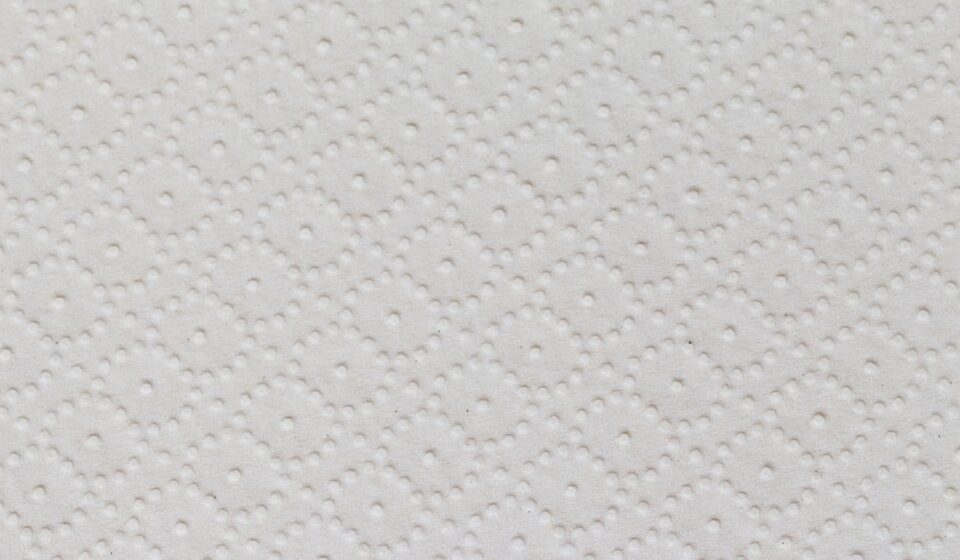
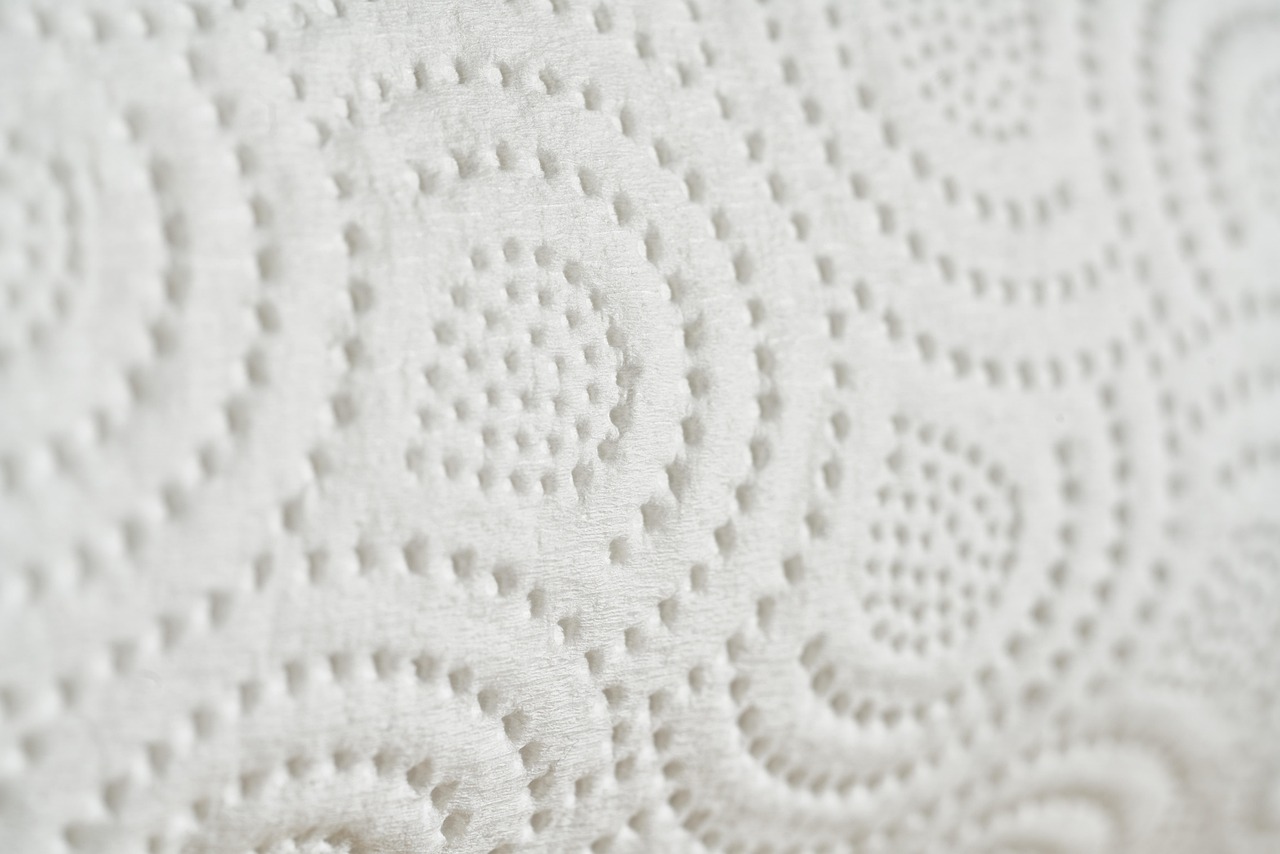
Custom printed tissue paper is a lightweight wrapping material printed with a logo, pattern, message or seasonal design. Its role in product protection is different from a corrugated insert, molded pulp tray or foam cushion. Tissue helps reduce light scuffing, separates product surfaces, keeps small items visually organized and makes the first opening moment feel intentional.
For retailers, ecommerce sellers and gift packaging teams, the practical question is not only whether the paper looks attractive. The sheet size, grammage, print coverage, folding method and environmental claim all need to fit the product, sales channel and fulfillment workflow.
A poorly specified sheet can tear during packing, transfer ink, weaken recycling claims or add cost without improving protection. A well-specified tissue paper program can support presentation and light protection while remaining simple for packers to use.
Where tissue paper helps product protection
Tissue paper should be treated as a soft-contact and presentation material, not as a substitute for structural protection. It is most useful when products already have suitable outer packaging but need an inner layer that reduces friction, hides the product until the reveal and prevents accessories from looking loose inside the box.
Common applications include apparel, cosmetics, jewelry, stationery, candles, ceramics, gift sets and subscription boxes. In apparel, tissue helps limit rubbing between folded garments and gives the box a cleaner appearance when opened. In cosmetics or small accessories, it can wrap grouped items neatly before they are placed into a mailer or rigid box. For fragile goods, tissue may reduce surface marks, but drop protection still depends on void fill, inserts, dividers, box strength and the product’s own vulnerability.
For a broader view of protective packaging choices, see the Product Protection section, where inner packaging, cushioning and material decisions are considered together rather than as isolated visual details.
Key specifications to define before requesting quotes
Many tissue paper issues begin with incomplete quote requests. A buyer may ask for custom printed tissue paper with a logo but leave out sheet size, paper weight, artwork repeat, ink coverage, folding preference or packing method. Suppliers can still quote, but the comparison may be misleading because each quote may be based on a different construction.
| Specification | Typical options to clarify | Why it matters |
|---|---|---|
| Paper weight | Light tissue around 17 gsm, mid-weight options around 22 gsm, or heavier 28-30 gsm sheets | Affects softness, opacity, tear resistance, folding feel and perceived quality |
| Sheet size | Small sheets for jewelry or cosmetics, larger sheets for apparel and gift boxes | Controls wrap coverage, packing speed and waste per order |
| Paper color | White, natural kraft, dyed stock or specialty colors | Changes print contrast, brand tone and sustainability messaging |
| Print method | Commonly spot color, flexographic, digital or offset depending on order type | Influences minimum order quantity, color accuracy, setup cost and artwork limits |
| Print coverage | Small repeat logo, scattered pattern, border, full pattern or heavy flood coverage | Impacts cost, drying, hand feel and recyclability considerations |
| Ink and finish | Water-based inks, soy-based inks, metallic effects, foil or coatings where available | Can affect appearance, rub resistance, recycling suitability and claim substantiation |
| Packing format | Flat sheets, folded packs, reams, rolls or interleaved formats | Determines storage efficiency and how quickly packers can wrap products |
Paper weight is often the first practical decision. Very light tissue feels soft and folds easily, but it can be translucent and more likely to tear. Heavier tissue has more body and can improve presentation for heavier goods, although it may feel less delicate and cost more. In luxury packaging, opacity and handling may matter as much as weight. In high-volume ecommerce packing, speed and consistency may matter more than a premium hand feel.
Design choices that affect usability
Tissue paper artwork should be designed for the way the sheet will actually be folded, not only for a flat digital preview. A centered logo may disappear inside the fold. A large logo repeat can look uneven when wrapped around small items. A dense pattern may look strong in a mockup but be unnecessary if most of the sheet is hidden under a sticker or inside a box.
For many brands, a one-color repeat pattern is the most practical starting point. It is usually easier to control than full-color artwork, works across many product sizes and creates brand recognition without covering the entire sheet in ink. Seasonal patterns can work well for limited campaigns, but order quantities need care because leftover seasonal inventory can become obsolete quickly.
Logo repeat and pattern scale
The repeat distance should match the product size. Small cosmetics, jewelry boxes and accessories usually need a tighter pattern so the brand mark remains visible after folding. Apparel and larger gift sets can use a wider repeat because more surface area remains visible. If the tissue will be sealed with a branded sticker, the print does not need to compete with the sticker; it should support the overall packaging system.
Color accuracy and paper color
Brand colors may shift on thin tissue because the paper is translucent and absorbent. White tissue normally gives cleaner color contrast, while kraft or natural tissue creates a warmer, more muted result. Buyers should not assume that a Pantone reference on coated paper will look identical on tissue. A physical proof or production sample is useful when color consistency is important.
Sustainability and recycling claims need careful wording
Packaging buyers increasingly ask for recycled, recyclable, compostable or FSC-certified tissue paper. These attributes can be valuable, but they should be stated precisely. Public guidance from the Federal Trade Commission warns against broad, unqualified environmental claims such as general “green” or “eco-friendly” wording when the claim is not specific and substantiated. For packaging copy, a narrower claim is usually safer and more useful, such as identifying recycled content percentage, certified fiber status or local recycling limitations.
FSC labels also have specific meanings. FSC 100% indicates fiber from FSC-certified forests. FSC Mix indicates a combination of FSC-certified material, recycled material and/or controlled sources. FSC Recycled indicates recycled fiber. These are not interchangeable claims, so artwork should use the label only when the supply chain and certification rules allow it.
Recyclability is more complex for tissue paper than a simple symbol suggests. U.S. paper and cardboard recovery is strong overall; AF&PA reported a 2025 U.S. paper recycling rate of 61-65% and a cardboard recycling rate of 70-75%. However, decorative tissue paper is thin, can be short-fibered and may not be accepted by every local recycling program. Paper-industry guidance generally favors plain paper-based decorative tissue and warns that non-paper accents such as glitter or foil can create recycling problems. Heavy coatings, metallic finishes and high ink coverage may also require closer review.
The practical takeaway is to treat sustainability as a specification issue, not as a decorative message. Ask suppliers what fiber certification, recycled content, ink system and finish are being used, and keep environmental language tied to verifiable attributes. See also: Box Design.
Cost drivers and sourcing questions
The final cost of custom printed tissue paper depends on more than sheet count. Paper weight, sheet size, number of ink colors, artwork coverage, printing method, finishing, packing format, freight and proofing all matter. Two quotes may look similar at a unit-price level but differ sharply in sheet area, paper grade or delivery terms.
Minimum order quantity also varies by supplier and process. Digital or short-run programs may support smaller tests, while traditional custom printing can require larger runs because setup time, plates and machine efficiency need to be spread across more sheets. Instead of shopping only for the lowest MOQ, buyers should compare the usable cost per packed order. A slightly larger sheet may create waste if it must be trimmed or overfolded; a smaller sheet may slow packing if workers need two sheets per product.
Useful sourcing questions include:
- What paper weight, fiber type and sheet size are included in the quote?
- Is the price based on one-color, two-color or full-color printing?
- What is the maximum recommended ink coverage for this paper?
- Will the supplier provide a digital proof, physical sample or production sample?
- How will the sheets be packed for warehouse storage and packing speed?
- What sustainability claims can be supported with documentation?
- Are freight, duties, cartons, palletization and overage rules included?
Common mistakes to avoid
The first mistake is using tissue paper to solve a structural packaging problem. If a product breaks, dents or leaks in transit, tissue paper will not fix the root cause. It may improve the unboxing moment, but cushioning, containment and box strength still need separate evaluation.
The second mistake is overprinting. Full-coverage ink can look bold in a mockup, but it may increase cost, change the feel of the paper and make environmental claims more complicated. A smaller repeat pattern often provides better value and a more flexible brand presentation.
The third mistake is ignoring the packing workflow. Tissue that looks good but arrives in awkward stacks, inconsistent folds or oversized sheets can slow fulfillment. In high-volume operations, packer time can outweigh small differences in material cost.
The fourth mistake is copying a luxury retail look without considering ecommerce conditions. A boutique customer may carry a shopping bag carefully. An ecommerce parcel may face vibration, compression and humidity changes before delivery. Tissue should fit the complete packaging system, not just a showroom photograph.
Frequently asked questions
Is custom printed tissue paper protective?
It is protective in a limited way. It helps reduce light scuffing, separates surfaces and improves product presentation. It should not be relied on for impact protection, crush resistance or heavy void filling.
What paper weight is suitable for most retail packaging?
Many suppliers offer lightweight tissue around 17 gsm and heavier options around 22 gsm or 28-30 gsm. The right choice depends on product weight, desired opacity, folding feel and budget. Apparel often works with lighter tissue, while heavier gifts may benefit from more body.
Can printed tissue paper be recycled?
Sometimes, but acceptance depends on local recycling rules and the exact material. Plain paper-based tissue is easier to justify than tissue with glitter, foil, plastic coatings or heavy specialty finishes. Brands should avoid broad recyclable claims unless they can support them for the market where the packaging is sold.
Is one-color printing enough?
For many packaging programs, yes. A one-color logo repeat can create a consistent branded look while keeping the design flexible and easier to produce. Full-color printing may be useful for campaign packaging, but it should be chosen for a clear reason.
What should a buyer prepare before requesting a quote?
Prepare the product dimensions, intended wrapping method, target sheet size, paper weight preference, artwork file, color requirements, order quantity, packing format and any sustainability documentation required. A complete specification leads to quotes that are easier to compare.