Different packaging materials and how to choose the right option
a[data-rs-seo-link]{text-decoration:underline!important;color:#1a56db!important;cursor:pointer!important;}a[data-rs-seo-link]{text-decoration:underline!important;color:#1a56db!important;cursor:pointer!important;}
Quick answer for choosing between different packaging materials
Choosing between different packaging materials is not about finding one universally better option. The right material is the one that protects the product, runs reliably on the packing line, meets any safety or labeling requirements, fits the distribution channel and has a realistic end-of-life route in the market where it is sold.
Corrugated board is often a practical choice for shipping and dry goods. Plastics are useful where lightweight barrier performance, flexibility or sealability matters. Glass and metal provide strong barriers for beverages, shelf-stable foods and premium formats, although they can add weight, breakage risk or forming cost. Molded fiber, paper-based cushions and certified compostable materials can work well in specific systems, but they should not be treated as automatic replacements for every plastic or foam format.
This guide is written for buyers, packaging engineers and product teams comparing material options. For more related topics, see the Packaging Materials section.
Main packaging material families
Most commercial packaging falls into a few broad material families. Each family can be engineered in many grades, coatings, thicknesses and structures, so the category name alone does not determine performance. A paper pouch with a barrier coating, a mono-material polyethylene pouch and a multilayer high-barrier film may all serve similar products, but they behave very differently during filling, sealing, shipping and recovery.
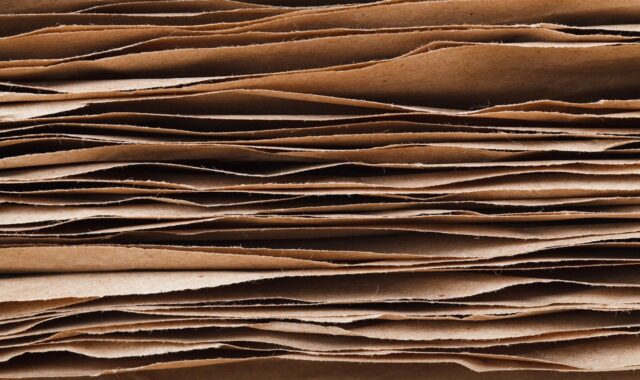
Paper, paperboard and corrugated board
Paper-based packaging includes corrugated boxes, folding cartons, paper bags, labels, sleeves, molded pulp trays and protective inserts. It is widely used because it is printable, relatively easy to cut and fold, and well established in many recycling systems. The U.S. EPA reported that paper and paperboard containers and packaging totaled 41.9 million tons of municipal solid waste generation in 2018, making it the largest packaging material category by weight in that dataset. (epa.gov)
The practical limitation is that uncoated paper does not provide the same moisture, oil or oxygen barrier as many plastics, metals or glass. Coatings, laminates and plastic windows can improve performance, but recyclability then becomes more dependent on local sorting rules and mill acceptance.
Plastic packaging
Plastic packaging includes rigid bottles, tubs, trays, caps, closures, flexible films, pouches, shrink wrap, stretch wrap and foam cushioning. Common resin families include PET, HDPE, LDPE, PP, PS and specialty barrier materials. Plastics are valued for low weight, sealability, impact resistance and the ability to tune barrier performance for a specific product. They can reduce transport weight and product breakage, but they also create end-of-life challenges, especially for mixed-material films and small flexible formats.
The EPA’s plastics material data noted that containers and packaging had the largest plastic tonnage among major municipal solid waste categories in 2018, at over 14.5 million tons. (19january2021snapshot.epa.gov)
Glass packaging
Glass is common for beverages, sauces, cosmetics, pharmaceuticals and premium food products. Its main strengths are chemical inertness, product visibility, strong aroma and gas barrier properties, and a premium shelf impression. Glass is also compatible with reuse models in some markets. The trade-offs are weight, breakage risk, energy-intensive forming and higher freight impact compared with many plastic or paper formats.
Metal packaging
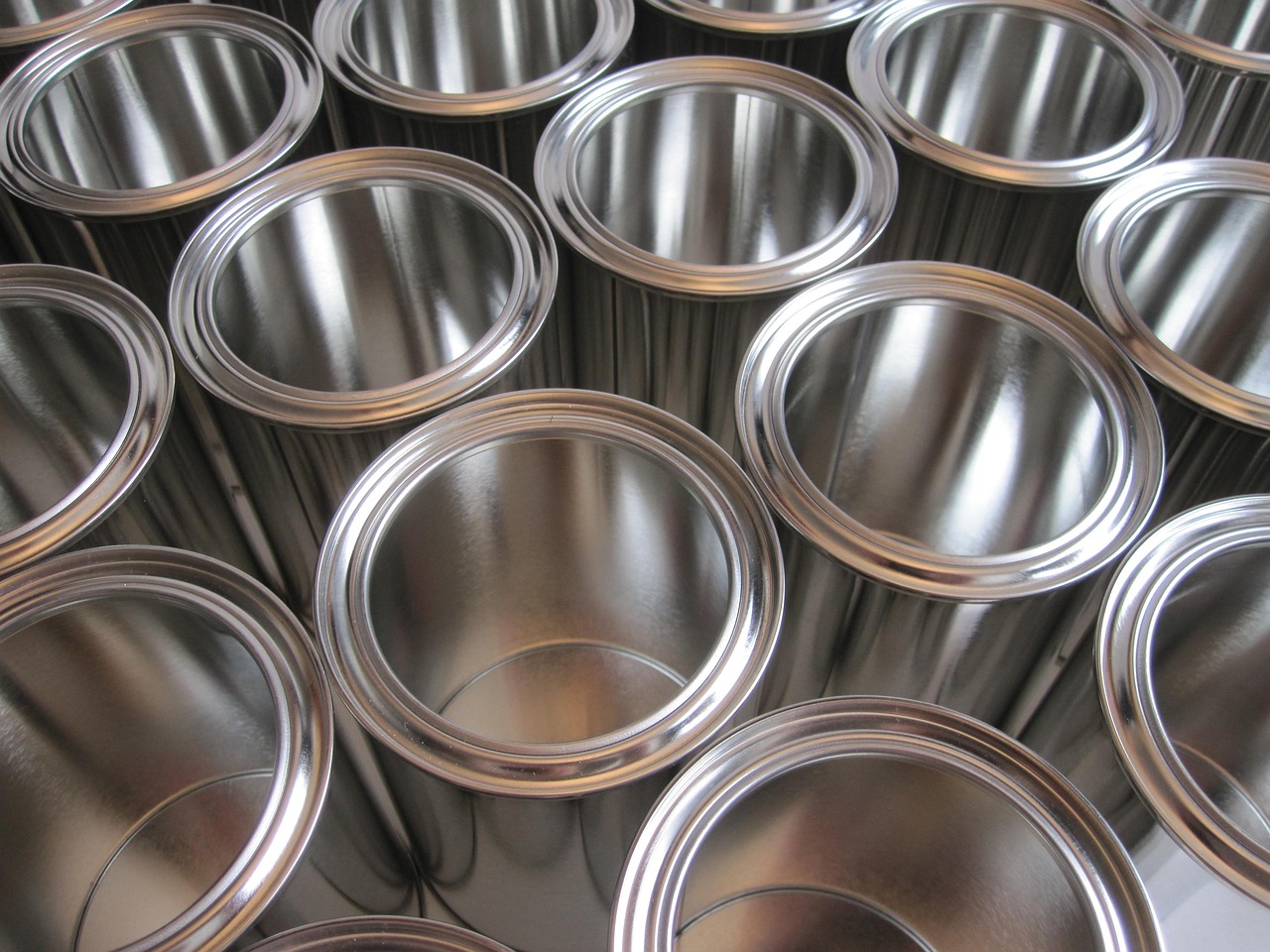
Metal packaging includes aluminum cans, steel cans, foil, tubes, aerosols, tins and closures. It provides excellent light, oxygen and moisture protection and is widely used for beverages, canned foods, paints, personal care products and industrial goods. Aluminum is light compared with glass, while steel is strong for shelf-stable cans and pails. Metal usually requires specialized forming, seaming or crimping equipment, so it is less flexible for low-volume custom shapes.
Wood packaging
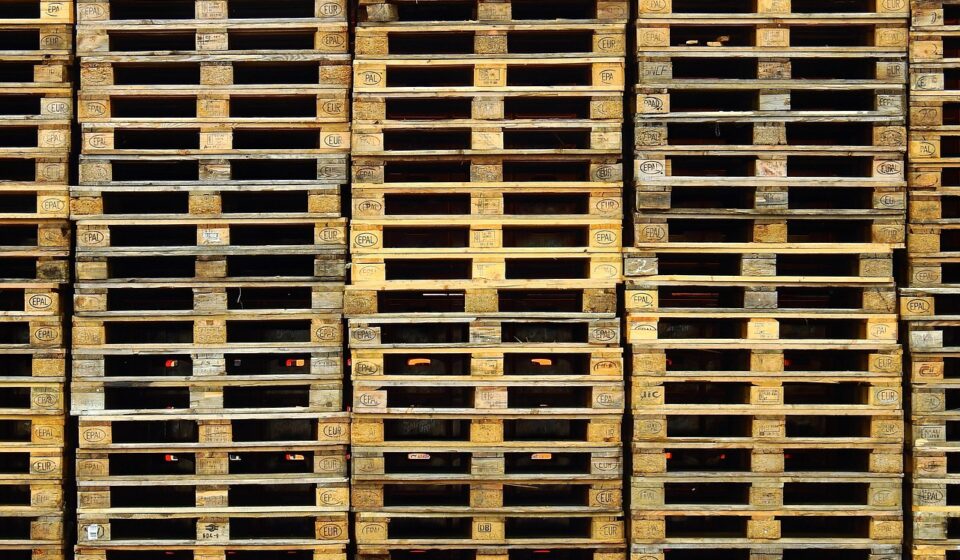
Wood is used for pallets, crates, skids, reels, dunnage and export packaging. It is strong, repairable and familiar in logistics networks. For international movement, wood packaging may need treatment and marking under phytosanitary rules, so teams should verify the applicable requirements before choosing it for export shipments. Wood is usually not selected for primary consumer packaging, but it remains important in transport packaging.
Molded fiber, biobased and compostable materials
Molded fiber is used for trays, inserts, protective forms, egg cartons and food-service items. Biobased plastics are made partly or fully from renewable feedstocks, while compostable plastics are designed for biological processing under defined conditions. These terms should not be mixed together. A material can be biobased but not compostable, or compostable but still require an industrial composting facility.
ASTM D6400 is a key U.S. specification for labeling plastics intended to be aerobically composted in municipal or industrial composting facilities. That does not mean every item labeled compostable will disappear in a backyard pile or in landfill conditions. (store.astm.org)
Performance factors that matter more than the material name
A material decision should start with product risk, not marketing language. The same product may need different packaging for retail display, e-commerce, cold chain distribution or bulk industrial shipment.
- Physical protection: Consider compression, drop, puncture, vibration and abrasion. Corrugated board and molded fiber are useful for cushioning and stacking, while rigid plastic, metal and glass can provide shape retention.
- Barrier performance: Food, cosmetics, chemicals and medical products may need moisture, oxygen, aroma, light, grease or chemical resistance. Barrier needs often drive the choice between paper, film, foil, glass and metal.
- Seal integrity: Flexible pouches, trays and cups depend on consistent sealing. Heat-seal windows, contamination tolerance and opening force should be tested before launch.
- Weight and freight: Lightweight packaging can lower the transport load, but only if it still prevents damage. A lighter pack that increases returns or spoilage is usually a poor system choice.
- Machinery compatibility: A material must run on filling, forming, labeling, coding, case-packing and palletizing equipment. Even a small change in stiffness or coefficient of friction can affect line speed.
- Regulatory fit: Food, pharmaceutical, chemical and hazardous goods packaging may involve specific material, migration, labeling or performance requirements.
For food packaging in the United States, the FDA explains that substances contacting food may require review or must fit an applicable regulation, exemption or authorization pathway. The agency also provides opinions through a voluntary program for recycled polymeric materials intended for food-contact use. (fda.gov)
Sustainability and end-of-life are system questions
Sustainability comparisons are often oversimplified. A material with a strong recycling rate in one country may have poor recovery in another. A compostable format may make sense for food-soiled serviceware where organics collection exists, but it can be a problem if it contaminates recycling streams or is sent to landfill. A paper-based pack may be renewable and highly recoverable, but added coatings or mixed layers can change its end-of-life path. See also: Box Design.
The U.S. EPA’s 2018 Facts and Figures data put containers and packaging at 82.2 million tons, or 28.1% of total U.S. municipal solid waste generation. This explains why packaging decisions receive so much attention in waste policy and corporate sustainability programs. (epa.gov)
Paper and cardboard have relatively mature recovery systems in the United States. The American Forest & Paper Association reported a 2024 paper recycling rate range of 60% to 64% and a cardboard recycling rate range of 69% to 74%. These figures support the strong role of fiber-based packaging, but they do not mean every coated, laminated or food-contaminated paper item is recyclable everywhere. (afandpa.org)
Design choices strongly influence recovery. Mono-material structures are often easier to sort and recycle than laminates. Clear instructions reduce user error. Closures, labels, inks, adhesives and coatings should be selected with the target recovery stream in mind. ISO 18601 provides general requirements for using the ISO packaging-and-environment standards series, including standards related to source reduction, reuse, recycling, energy recovery and organic recovery. (iso.org)
Comparison table by common packaging need
| Packaging need | Often suitable materials | Strengths | Typical limitations |
|---|---|---|---|
| Dry e-commerce shipment | Corrugated board, paper mailers, molded fiber inserts | Good printability, cushioning options, established recovery streams | Moisture sensitivity, dimensional weight, may need extra void fill |
| Moisture- or oxygen-sensitive food | Plastic film, high-barrier pouch, coated paper, glass, metal | Can protect shelf life and aroma | Barrier layers may reduce recyclability or raise cost |
| Beverage or premium liquid | Glass, aluminum, PET, carton formats | Strong shelf presence and proven filling systems | Weight, breakage, deposit rules or recycling differences by region |
| Shelf-stable canned goods | Steel cans, aluminum cans, retort pouches | High barrier and long shelf-life potential | Requires specialized processing and sealing validation |
| Industrial or heavy goods | Corrugated triple-wall, wood crates, steel drums, plastic pails | Strength, stackability and transport protection | Higher material use and freight considerations |
| Food-service items with organics collection | Molded fiber, certified compostable plastics, coated paper | Can help capture food-soiled items in composting systems | Depends on local acceptance and correct labeling |
| Lightweight flexible retail pack | PE, PP, PET-based films, paper-film hybrids | Low weight, high graphics area, good sealability | Flexible recycling access is often limited |
How to build a practical material selection process
A structured process reduces the risk of choosing a material for the wrong reason. These steps apply to many consumer goods, industrial goods and food packaging projects.
- Define the product risks. List moisture sensitivity, oxygen sensitivity, light exposure, fragrance loss, grease, chemical compatibility, puncture risk and breakage risk.
- Map the distribution route. A retail shelf pack, parcel shipment and refrigerated route may require different compression, shock and condensation performance.
- Check compliance early. Food-contact, child-resistant, hazardous goods, pharmaceutical and export requirements can eliminate otherwise attractive materials.
- Prototype with real equipment. Test forming, filling, sealing, coding, labeling, case packing and pallet stability before committing to a large purchase.
- Evaluate total system cost. Unit material price is only one factor. Include line speed, labor, damage rate, freight, storage, tooling, minimum order quantity and disposal or recovery fees.
- Design for the intended end-of-life route. If the claim is recyclable, verify that the format is likely to be accepted in the target market. If the claim is compostable, verify certification and facility acceptance.
- Review after launch. Monitor damage, complaints, returns, retailer feedback and waste-handling issues. Packaging rarely remains optimal forever.
Common mistakes when comparing materials
One common mistake is treating sustainability as a single score. For example, replacing a plastic pouch with a paper-based pack may improve the renewable-content story, but it may also require added coating, thicker material or shorter shelf life. The better question is whether the full system reduces waste, protects the product and fits available recovery routes.
A second mistake is assuming that all recycling symbols mean the same thing. Resin identification codes, recycling labels and local collection rules are not identical. A package can be technically recyclable but still not widely collected in a given market.
A third mistake is overlooking small components. Labels, inks, adhesives, pumps, zippers, valves, windows and closures can decide whether a pack sorts cleanly or becomes difficult to process. In some cases, simplifying the structure can matter more than changing the main material.
A fourth mistake is using compostable packaging where composting infrastructure is absent. Compostability is a managed-system claim, not a guarantee that an item will break down anywhere it is discarded. Certification, labeling and local acceptance should be reviewed together.
Frequently asked questions
What are the main different packaging materials?
The main packaging material families are paper and paperboard, corrugated board, plastics, glass, metals, wood, molded fiber and compostable or biobased materials. Many real packages combine more than one material to achieve barrier, strength, printability or sealing performance.
Which packaging material is the most sustainable?
There is no single most sustainable material for every product. The better choice depends on product protection, material weight, recycled content, recovery infrastructure, damage prevention and compliance needs. A sustainable pack that fails to protect the product can create more total waste than a less fashionable material that works reliably.
Is compostable packaging better than recyclable packaging?
Compostable packaging can be useful when it is certified, clearly labeled and collected with food scraps or other organics. Recyclable packaging is usually preferable where clean material streams and strong collection systems exist. The right option depends on the product, contamination level and local infrastructure.
Why is plastic still used when paper is widely recycled?
Plastic remains useful because it can provide lightweight strength, moisture resistance, sealability and high barrier performance. In some applications, switching to paper would require coatings or extra material that changes cost, performance and recyclability. The goal should be fit-for-purpose design, not material substitution for its own sake.
How often should packaging specifications be reviewed?
Specifications should be reviewed when a product changes, a new sales channel is added, regulations change, supplier materials change, damage rates rise or recycling and composting guidance shifts in a key market. Annual review is a practical baseline for many packaging teams.