How to design a saree packing box for retail, gifting, and shipping

a[data-rs-seo-link]{text-decoration:underline!important;color:#1a56db!important;cursor:pointer!important;}a[data-rs-seo-link]{text-decoration:underline!important;color:#1a56db!important;cursor:pointer!important;}
Design starts with what the saree must survive
A saree packing box has to do more than look attractive. It must protect a folded garment from creasing, dust, moisture transfer, color rub, and rough handling, while presenting the fabric in a way that matches the buyer’s expectations. The right design depends on where the saree is sold: a boutique shelf, a wedding gift counter, an online marketplace, or a direct-to-consumer parcel.
A rigid gift box may communicate value in a premium setting. A lighter folding carton or corrugated mailer may be more practical when shipping cost, storage space, and parcel handling are the main concerns. Good box design starts by matching the structure, board grade, finish, and insert system to the saree’s fabric weight, embellishment level, and sales channel.
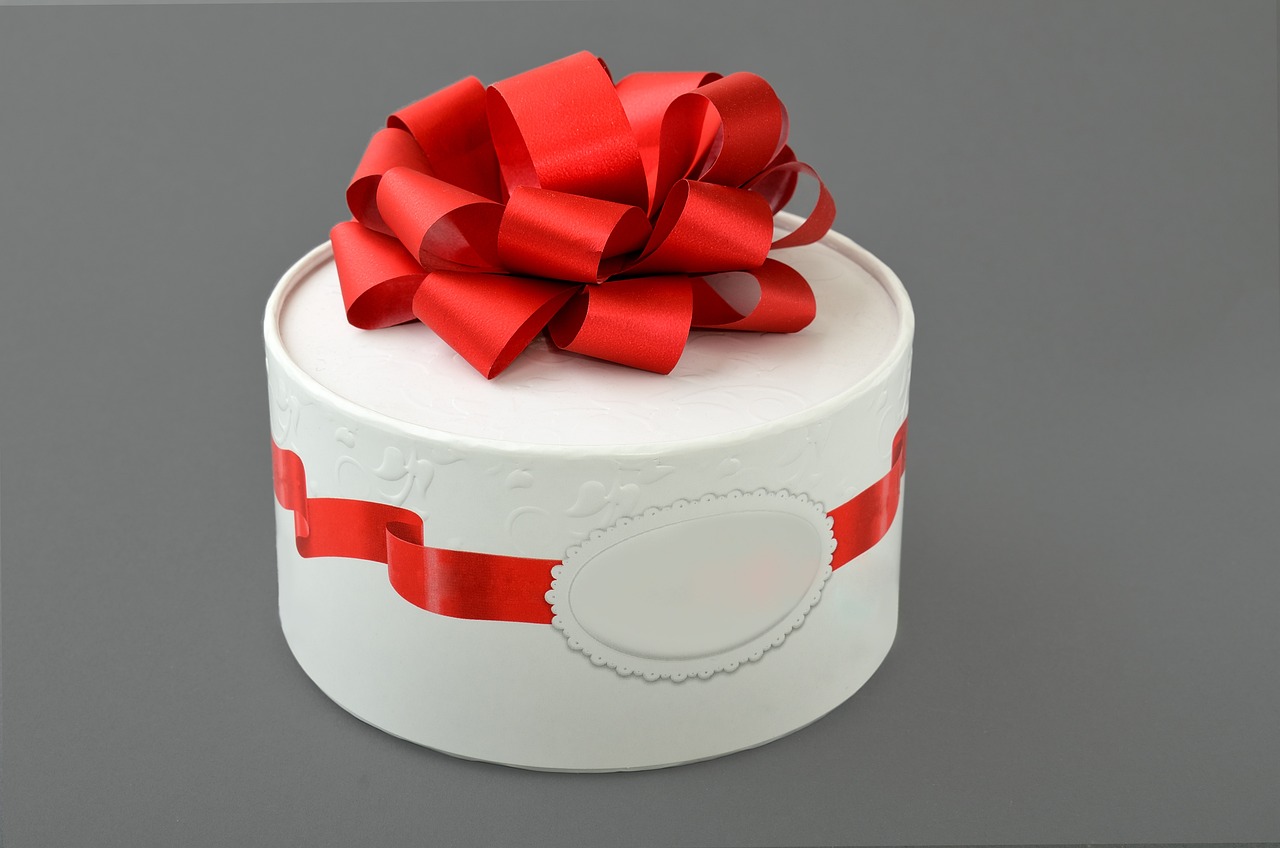
For broader inspiration across packaging formats, the box design section can help compare structural and visual approaches used in different product categories.
Match the box structure to the sales channel
The first decision is structural. A daily-wear saree has different packaging needs from a bridal silk saree, a festive gift set, or an export order. The wrong structure can add cost without adding value, or it can leave the product vulnerable during handling.
| Sales context | Suitable box style | Main design priority | Common limitation |
|---|---|---|---|
| Retail shelf | Folding carton, drawer box, or window carton | Visibility, stackability, and quick identification | Needs enough stiffness to avoid crushed corners |
| Premium gifting | Rigid lid-and-base box, magnetic closure box, or sleeve box | Presentation, keepsake value, and tactile finish | Higher material and freight cost |
| E-commerce shipping | Corrugated mailer, reinforced carton, or inner box plus outer shipper | Impact resistance and secure closure | May need separate branding layer for presentation |
| Export or wholesale | Plain inner cartons with master cartons | Space efficiency, labeling, and handling durability | Less suitable for direct gifting unless repacked |
For boutique retail, a well-printed folding carton can be efficient because it ships flat before assembly and supports consistent shelf presentation. For luxury gifting, rigid boxes are often selected because they feel substantial and resist deformation. For online sales, the outer package should be designed for parcel handling, not only for shelf appeal. A decorative rigid box may still need a protective outer mailer, especially when the saree includes zari work, embroidery, beads, or delicate borders.
Size the box around the folded saree, not the other way around
Many packaging problems start when the box is selected before the folding method is finalized. A saree can vary significantly in packed volume depending on fabric type, border thickness, blouse piece inclusion, tissue wrapping, and whether a presentation tray is used. Cotton and georgette sarees may compress easily. Silk, handloom, or heavily embellished sarees usually need more clearance to avoid pressure marks.
A practical process is to fold the actual product exactly as it will be packed, then add any tissue, butter paper, fabric sleeve, thank-you card, tag, or invoice pouch. Measure the final bundle, not the loose garment. The box should allow the bundle to sit flat without bowing the lid. Too much empty space is also a problem because the garment can slide and crease during transport.
For most saree packing box projects, internal dimensions matter more than external dimensions at the early design stage. External size affects shelf planning and freight cost, but the internal space controls product safety. If a brand sells several fabric types, it may need two or three box sizes rather than one universal size. A single oversized box can simplify purchasing, but it may increase paper use, void fill, and shipping charges.
Use inserts only when they solve a real problem
Inserts can improve the unboxing experience, but they should have a clear function. A paperboard tray can hold a folded saree in position. A belly band can keep the fabric bundle aligned. A shallow recess can separate accessories from the main garment. Unnecessary inserts add assembly time and material cost, and they can make recycling harder when they combine plastic film, foam, magnets, metallic laminates, or adhesive-heavy layers.
Choose materials for stiffness, print quality, and handling risk
Material selection should balance appearance, protection, cost, and end-of-life expectations. Paperboard cartons are often suitable for lightweight retail packaging. Greyboard or chipboard wrapped with printed paper is common for rigid gift boxes. Corrugated board is better suited for parcel shipment because its fluted structure provides cushioning and crush resistance.
Board thickness should be decided through sampling, not assumption. A thin carton may look acceptable when empty but deform once several packed boxes are stacked. A heavy rigid box may feel premium but increase storage volume and shipping weight. If the box will serve as both a presentation package and an e-commerce inner box, it should be tested inside the planned outer shipper under realistic handling conditions.
Moisture is another important issue in textile packaging. A box should not be treated as a substitute for proper garment wrapping, warehouse control, or dry transit conditions. Tissue paper, garment sleeves, and desiccant decisions should be based on climate, shipping duration, fabric sensitivity, and destination market rules. If silica gel or other moisture-control materials are used, they must be labeled and handled appropriately, especially when products may reach households with children.
Reference testing can reduce guesswork
Packaging teams often use recognized test methods as references when developing cartons for shipping. Parcel distribution tests such as ISTA procedures are widely used to evaluate drop, vibration, and compression risks for packed products. Apparel brands do not need to over-engineer every saree box, but even a simple in-house check can reveal weak corners, loose closures, scuffed finishes, or crushed lids before a full production run.
Make branding useful before making it decorative
A saree packing box is part of the product story, but branding should also help the buyer understand what is inside. Useful packaging communication may include fabric type, product name, color reference, care symbols, size or length information where relevant, SKU, barcode, country-of-origin details, and retailer-required labels. Decorative artwork should not make this information hard to read.
Premium saree packaging often uses restrained color palettes, textured paper, foil stamping, embossing, spot UV, or fabric-inspired patterns. These finishes can create a strong impression, but they should be selected with production consistency in mind. Fine foil lines may break on textured paper. Dark solid colors can show scuffs more easily. Gloss lamination may look bright, but depending on the brand position, a matte or soft-touch finish may feel more refined.
Photography and illustration also need careful control. If the box shows a color or drape style that differs from the actual saree, it can create unrealistic expectations. For products with many variants, a flexible label system may be better than printing a unique box for every design. A neutral master box with a high-quality product label can reduce inventory risk while still supporting a polished retail presentation. See also: Buying Guides.
Typography affects perceived value
Small typography choices can change how a box feels. Wide spacing, clear hierarchy, and consistent alignment often communicate a more premium impression than crowded graphics. For traditional or festive sarees, ornamental motifs may work well, but they still need enough breathing room. The goal is not to fill every panel. It is to guide the eye from brand name to product identity to handling or care information without confusion.
Plan sustainability claims carefully
Sustainability has become an important packaging consideration, but claims must be specific and defensible. It is safer to say that a box uses recycled paper content, responsibly sourced paper, water-based coating, plastic-free construction, or recyclable mono-material paperboard only when the supplier can document it. Broad claims such as eco-friendly, green, or biodegradable can be misleading if the box includes plastic lamination, magnets, mixed-material decorations, or finishes that limit recycling.
Several packaging standards and programs are commonly referenced in paper packaging discussions. FSC certification is used to support claims about responsibly sourced forest materials when the certified chain of custody is maintained. ISO packaging and recycling standards may be relevant for companies making formal recyclability claims. Extended producer responsibility rules also vary by country or region, so export-oriented brands should check the destination market rather than relying on domestic assumptions.
From a design standpoint, the most practical sustainability improvements are often straightforward: reduce unused internal space, avoid unnecessary plastic windows, minimize mixed materials, specify paper-based inserts where feasible, and choose finishes that do not undermine recyclability. A lighter box is not automatically better if it fails during shipping and leads to product returns. The more useful goal is right-sized protection with transparent claims.
Control cost through smarter specifications
Cost control does not always mean choosing the cheapest box. A low-cost carton that bends, stains, or fails in transit can create higher replacement and customer-service costs. A better approach is to identify which features directly affect protection or brand value and which features can be simplified.
- Standardize dimensions where possible, but do not force very different saree types into one unsuitable size.
- Use common board grades that suppliers can source consistently instead of highly unusual specifications.
- Limit special finishes to the most visible panels rather than applying them everywhere.
- Design for easy assembly so packing teams do not need excessive folding, gluing, or alignment steps.
- Separate seasonal artwork from the structural box by using sleeves, labels, or bands when product lines change often.
Minimum order quantity is another practical factor. Rigid boxes and custom print finishes may require higher commitments than plain cartons or digitally printed short runs. Brands with fast-changing collections should be cautious about printing too many boxes tied to a single pattern, festival, or campaign. Packaging inventory can become obsolete even when the product remains sellable.
Production checks before approving a saree packing box
Before mass production, the dieline, artwork, material, and packed sample should be reviewed together. A beautiful flat artwork file does not guarantee a successful finished box. Folding lines, glue areas, panel orientation, lid depth, and label placement can all create problems after conversion.
- Pack the real saree sample with all accessories and wrapping materials included.
- Check closure strength after repeated opening and closing, especially for drawer boxes and magnetic styles.
- Stack several packed boxes to observe corner compression and lid deformation.
- Test barcode and label readability on the final finish, not only on a digital proof.
- Review color under retail lighting because matte, gloss, and textured surfaces can shift perceived tone.
- Confirm carton markings for wholesale or export shipments, including SKU, quantity, and handling marks where required.
- Run a small pilot batch before full production if the box uses a new material, coating, closure, or supplier.
Common mistakes include making the lid too tight, ignoring fabric thickness variation, placing important text across folds, using finishes that scratch easily, and forgetting the outer shipping carton. Another frequent issue is designing only for the first unboxing moment. Many buyers keep premium saree boxes for storage, so the box should remain usable after opening if that is part of the intended value.
Frequently asked questions
What is the best material for a saree packing box?
There is no single best material for every saree. Paperboard can work for lightweight retail cartons, rigid board is common for premium gifting, and corrugated board is usually more suitable for shipping. The right choice depends on fabric weight, embellishment, sales channel, budget, and whether the box must survive parcel delivery.
Should a saree box include a window?
A window can help shoppers see color and texture, but it may reduce structural strength and complicate recycling if plastic film is used. For premium sarees, a small swatch card, printed product label, or sleeve system may provide identification without exposing the garment to dust and light.
How much empty space should be left inside the box?
The box should allow the folded saree to sit flat without compression, but it should not leave enough space for the garment to slide around. The best approach is to measure the fully wrapped product bundle and test the packed box by gently shaking, stacking, and opening it after handling.
Are rigid boxes worth the added cost?
Rigid boxes can be worth the cost for bridal, festive, luxury, or gift-oriented sarees where presentation affects perceived value. For daily-wear sarees or high-volume e-commerce orders, a well-designed folding carton or protective mailer may be more efficient.
What should be checked before printing a full batch?
Check the physical sample with the actual saree inside, confirm board stiffness, review closure performance, verify label placement, test scuff resistance, and make sure the box works with the planned outer carton. Artwork approval alone is not enough for apparel packaging.