How carton boxes protect products from warehouse to delivery

a[data-rs-seo-link]{text-decoration:underline!important;color:#1a56db!important;cursor:pointer!important;}a[data-rs-seo-link]{text-decoration:underline!important;color:#1a56db!important;cursor:pointer!important;}
Why carton boxes still matter for product protection
Carton boxes are more than low-cost containers. When they are specified for the product and the route, they help manage compression, impact, vibration, abrasion, dust exposure and handling damage from the warehouse shelf to the final delivery point. The right box depends on product weight, fragility, shape, route, stacking time, climate exposure and handling method. A strong carton box can still fail if it is oversized, underfilled, poorly sealed or exposed to conditions it was not designed to withstand.
For buyers, packaging teams and operations managers, the practical question is not simply whether carton boxes work. It is how to match box style, board grade, closure, internal protection and testing to the actual distribution risk.
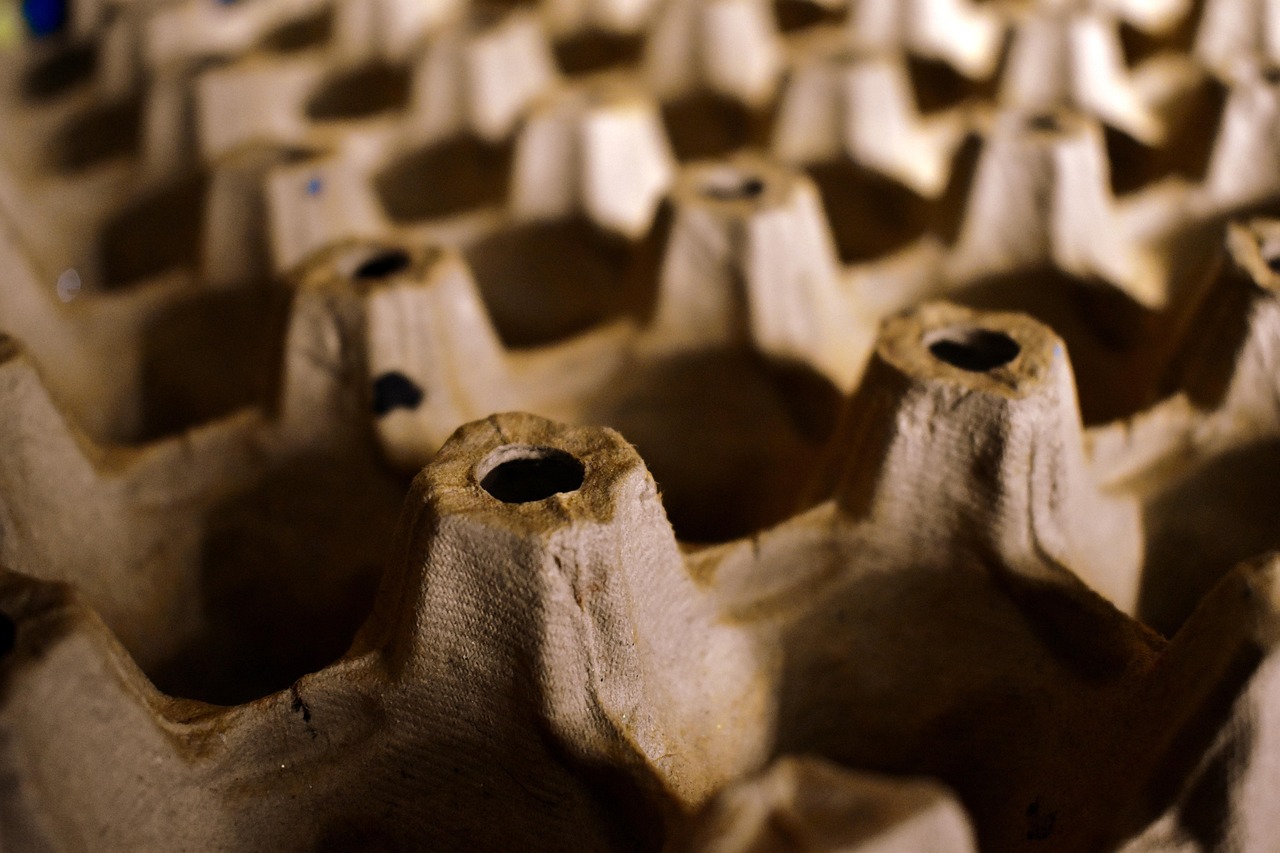
In everyday trade language, carton boxes can refer to several paper-based formats. Retail folding cartons are common for lighter primary packaging, while corrugated carton boxes are widely used as shipping containers. This article focuses mainly on corrugated and paperboard boxes used for product protection, especially where transport, warehousing and handling are part of the risk profile.
What carton boxes protect against
A carton box is part of a protection system, not the whole system. Its outer walls provide containment and stiffness, but product safety also depends on inserts, dividers, void fill, pallets, labels, tapes and handling instructions. Packaging design should start with the hazards a product will face, then specify the box around those hazards.
Stacking and compression
Compression is one of the most common risks in warehousing and transport. Cartons may be stacked on pallets, inside containers or in storage for hours, days or weeks. A suitable carton box must resist top-to-bottom load without buckling, crushing the product or losing its shape. Board strength, flute profile, box dimensions, humidity and stacking pattern all affect compression performance. Tall, narrow boxes and boxes with large unsupported panels are often more vulnerable than compact boxes with balanced dimensions.
Shock and drops
Small parcel networks, manual handling and last-mile delivery can expose packages to drops, edge impacts and corner impacts. The outer carton absorbs only part of this energy. Fragile products usually need cushioning, suspension, molded pulp, paper pads, corrugated partitions or other internal components that keep the item away from the box walls. If the product touches the outer wall, the box may transfer impact directly to the product.
Vibration and abrasion
Truck, air and conveyor movement can cause repeated vibration. Even if a product survives a single drop, it may suffer surface scuffing, loosened components or corner wear after long vibration exposure. A tight but not damaging fit is important. Internal movement should be limited, but the packaging should not apply concentrated pressure to delicate surfaces.
Moisture, dust and handling contamination
Paper-based carton boxes are sensitive to moisture. High humidity, condensation, wet floors and outdoor staging can reduce box stiffness and adhesive performance. Carton boxes can reduce dust and light surface contamination, but they should not be treated as waterproof or sterile barriers unless a verified liner, coating or secondary barrier is included and tested for that purpose.
Choosing the right carton box construction
Box construction should reflect product risk rather than habit. A standard regular slotted container may be efficient for many shippers, but it is not always the right option for long, heavy, sharp, fragile or unusually shaped goods. ASTM International describes its D5118/D5118M practice as covering the fabrication of new fiberboard boxes, liners and sleeves, and notes that box adequacy under all exposure, handling, shipping and storage conditions must be assessed rather than assumed. (store.astm.org)
| Product or route condition | Main protection risk | Carton box design response |
|---|---|---|
| Heavy product | Compression failure, bottom failure, tape failure | Use stronger corrugated board, reinforced closures and a box size that reduces unsupported panel area. |
| Fragile product | Drop shock, corner impact, vibration damage | Combine the carton box with cushioning, suspension, dividers or inserts that create clearance from outer walls. |
| Multiple units in one shipper | Product-to-product abrasion and load shifting | Use partitions, pads, trays or layer sheets to separate items and distribute load. |
| Long storage period | Stack creep, humidity loss, corner crush | Review board grade, warehouse humidity, pallet pattern, stack height and storage duration together. |
| E-commerce parcel delivery | Manual drops, conveyor handling, variable orientation | Design for drops on faces, edges and corners, and avoid relying on upright-only orientation. |
| Moist or cold-chain-adjacent environment | Loss of board stiffness, label or tape failure | Consider moisture-resistant materials, liners, verified adhesives and shorter exposure windows. |
The box style also matters. A regular slotted container is efficient and familiar, but die-cut mailers, full-overlap boxes, five-panel folders, trays with lids and telescoping cartons can provide better protection for certain product shapes. Full-overlap designs may improve panel coverage for heavy or flat items, while die-cut mailers can improve presentation and reduce void space for smaller parcels. The tradeoff is often cost, packing speed, material use and storage complexity.
Fit, void fill and closure often decide the result
A common packaging mistake is to treat box strength as the only specification. In practice, the fit between product and carton box can be just as important. Oversized boxes need more fill, increase dimensional weight and allow movement if they are not packed consistently. Undersized boxes can transfer pressure directly to the product, deform retail packaging or burst at the seams. The right fit leaves enough clearance for protective material while avoiding unnecessary empty space.
Void fill should be chosen for the actual job. Crumpled paper can stabilize many non-fragile items, but it may settle under vibration. Air pillows can fill space efficiently, but they may not stop heavy items from shifting unless they are applied correctly. Corrugated inserts and molded fiber can provide repeatable positioning. Foam may be appropriate for sensitive or high-value items, but sustainability, recycling and material restrictions must be considered. The main test is whether the product remains protected after realistic handling, not whether the box looks full at the packing table.
Closure is another weak point. Tape width, tape grade, adhesive type, overlap length, staple use and strapping all influence whether a carton box stays closed. A strong box with poor closure can open during conveyor transfer or manual handling. For heavy cartons, closure should be treated as a structural element, not a finishing step.
Testing carton boxes before scale-up
Packaging tests cannot perfectly reproduce every shipment, but they help teams move from opinion to evidence. The International Safe Transit Association explains that its tests range from early design screening procedures to general simulations of hazards typically found in specific shipment types, and selecting the right procedure matters for the intended outcome. (ista.org)
For carton boxes, test planning should include the product and package together. Testing an empty box may reveal board or closure problems, but it does not prove that the product will survive the route. A packed-product test can evaluate drops, compression, vibration and other hazards in a more realistic way. The acceptance criteria should be written before the test begins. For example, a team may define acceptable carton scuffing, unacceptable product damage, allowed movement inside the box, seal integrity and barcode readability. See also: Box Design.
Documentation is especially important when a carton box design is used across multiple factories, co-packers or markets. A useful packaging specification should record dimensions, board grade or performance rating, box style, flute or material description, print and labeling rules, packing method, internal components, closure method and palletization requirements. If any of these are changed to save cost or improve line speed, the package may need to be reviewed again.
Sustainability claims need clear boundaries
Carton boxes often have a strong recycling story, but responsible content should be precise. In U.S. Environmental Protection Agency data for 2018 municipal solid waste, corrugated boxes were reported as a major paper and paperboard packaging category, with a corrugated box recycling rate of 96.5 percent for that data year. (epa.gov) FEFCO, the European corrugated packaging association, states that recycled paper provides 88 percent of the raw material for new corrugated boxes in its sector context. (fefco.org)
These figures support the importance of corrugated recycling, but they should not be turned into blanket claims about every carton box in every market. Recycling outcomes depend on local collection systems, contamination, coatings, plastic windows, labels, wax treatment, food residue and mixed-material components. A recyclable-looking box can become difficult to recycle if it uses incompatible laminates or excessive non-paper attachments. A sustainability-minded design should reduce unnecessary material while still protecting the product, because product damage and reshipment can create their own environmental burden.
For many companies, the practical target is right-sizing: use enough carton strength and internal protection to prevent damage, but avoid excessive board weight, empty space and redundant packaging layers. This is where product protection and sustainability align. A box that is too weak wastes the product; a box that is much larger or heavier than necessary wastes material and transport capacity.
A practical carton box selection checklist
Before approving carton boxes for routine use, packaging and operations teams can use a simple checklist to identify gaps:
- Define the product risk: weight, fragility, surface sensitivity, sharp edges, leak risk and orientation limits.
- Map the route: warehouse storage, palletization, parcel shipment, freight shipment, export route or last-mile delivery.
- Confirm box construction: style, dimensions, board grade, closure method and internal components.
- Check fit: make sure the product cannot move excessively, but also does not press directly against the outer wall.
- Review stacking: confirm pallet pattern, stack height, storage duration and humidity exposure.
- Test the packed product: use an appropriate procedure or an internally documented handling simulation.
- Document the specification: include packing instructions so the design can be repeated by different operators.
- Review end-of-life: avoid unnecessary mixed materials and clearly understand local recycling limits.
For more packaging topics and product protection perspectives, visit the Product Protection section.
Frequently asked questions
Are carton boxes and corrugated boxes the same thing?
Not always. Carton boxes is a broad phrase that may refer to folding cartons, paperboard boxes or corrugated shipping boxes. Corrugated boxes use fluted material between linerboards and are generally chosen for shipping strength. Folding cartons are often used for retail presentation or lighter primary packaging.
What makes a carton box strong enough for shipping?
Strength comes from the full system: board performance, box style, dimensions, corners, closure, internal support, pallet pattern and storage conditions. A strength rating is useful, but it should be matched to the product weight and route. Real-world performance should be confirmed with packed-product testing where the damage risk justifies it.
Can a stronger carton box replace cushioning?
Sometimes, but not for many fragile products. A stronger outer box may resist crushing better, but it does not automatically absorb drop shock or stop internal movement. Fragile goods usually need cushioning, suspension, molded inserts, dividers or other materials that control how force reaches the product.
Are carton boxes recyclable?
Many corrugated carton boxes are recyclable where collection systems are available, but recyclability depends on local rules and package design. Heavy coatings, contamination, plastic attachments and mixed materials can reduce recycling compatibility. The safest claim is specific: identify the material and the recycling conditions rather than promising universal recyclability.
How often should carton box specifications be reviewed?
Specifications should be reviewed when product weight, dimensions, route, carrier, warehouse conditions, internal packaging, closure method or supplier changes. They should also be reviewed after repeated damage reports, seasonal humidity problems or customer complaints about crushed, opened or oversized packages.