How to choose a plastic food container for food safety, reuse, and recycling
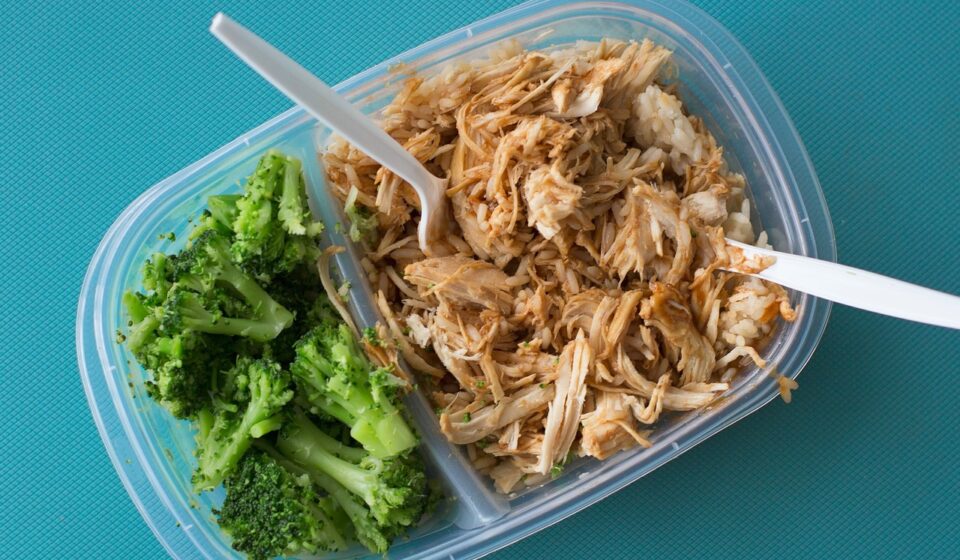
a[data-rs-seo-link]{text-decoration:underline!important;color:#1a56db!important;cursor:pointer!important;}a[data-rs-seo-link]{text-decoration:underline!important;color:#1a56db!important;cursor:pointer!important;}
Start with the job the container must do
A plastic food container should be selected around the application first, not its appearance alone. A pack that works for cold deli salads may be the wrong choice for hot soup, freezer storage, microwave reheating, or repeated commercial washing. Before comparing materials or prices, buyers should define the food type, temperature range, expected storage time, transport risk, and end-of-life route.
In practice, the decision usually comes down to six questions: Will the container touch hot food? Will users microwave it? Does it need to resist leaks? Is it disposable, reusable, or returnable? Does it need food-contact documentation? Can it be recycled in the markets where it will be used? Answering these questions early helps avoid common errors, such as using a clear cold-food container for hot-fill service or assuming a resin code automatically means the item is recyclable.
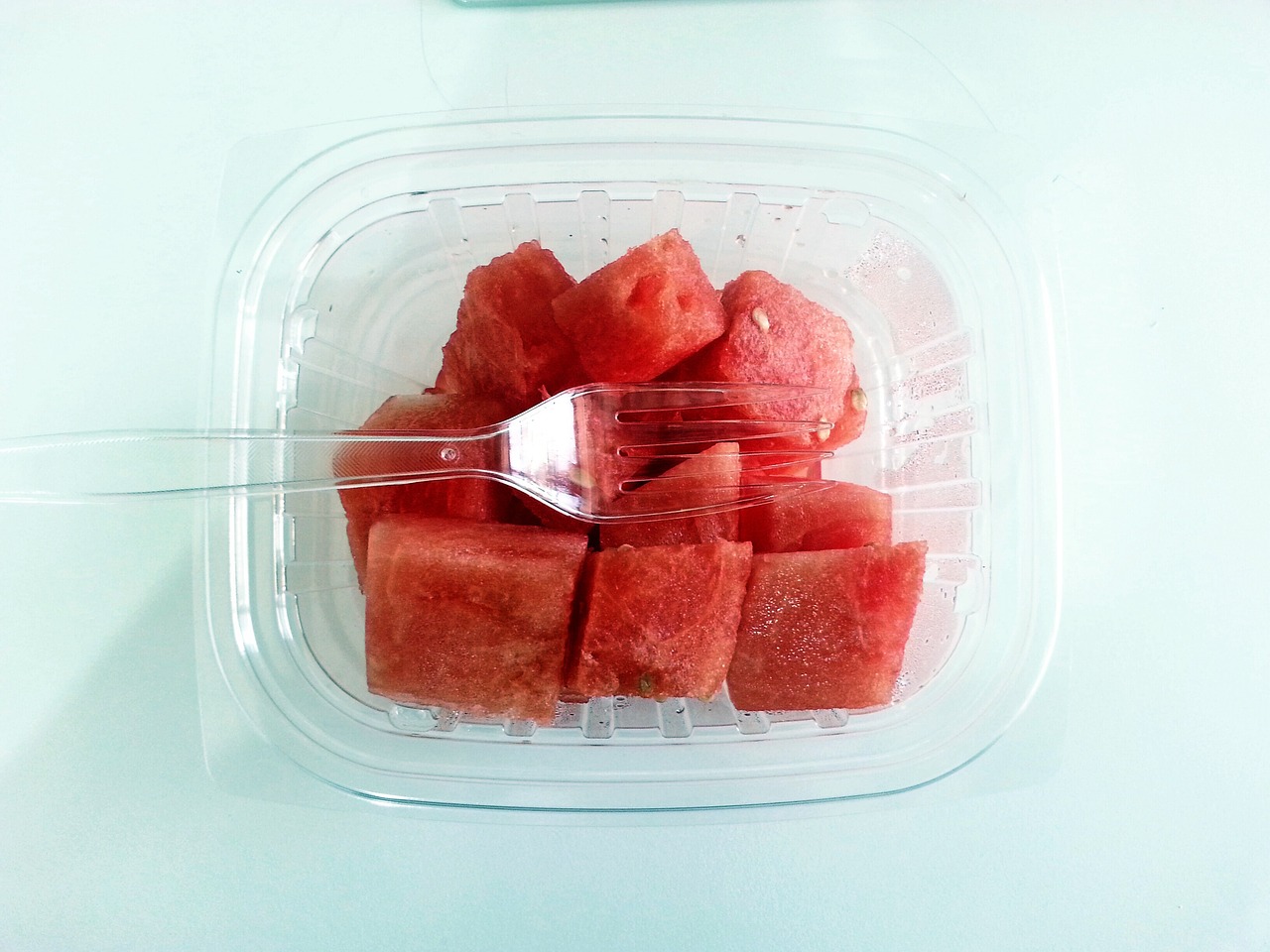
This guide is intended for packaging buyers, foodservice teams, retailers, and household users who need a clearer way to compare options. For related packaging selection articles, visit the Buying Guides section.
Understand food-contact suitability before comparing plastics
In the United States, the Food and Drug Administration treats packaging materials that contact food as food-contact materials. FDA information for consumers and industry explains that food packaging substances are reviewed based on their intended use and exposure conditions. In other words, a container should not be judged only by the name of the plastic. Additives, colorants, coatings, manufacturing process, and intended temperature conditions can also affect suitability.
For commercial purchasing, ask the supplier for food-contact suitability information that matches the intended application. A useful specification should identify the material, intended food-contact use, temperature limits, and whether the container is suitable for freezer, refrigerator, room-temperature, hot-fill, microwave, or dishwasher use. If the product will be used in multiple countries or sold under a private label, buyers may also need documentation for the target market rather than relying on a broad food-safe claim.
Household users should follow the instructions molded into the container or printed on the packaging. If a container is not labeled for microwave use, dishwasher use, or freezer use, it is safer to treat it as unsuitable for that condition. Visible warping, cracking, heavy staining, damaged lids, or persistent odors are practical signs that a reusable container should be removed from food-storage use.
Compare common plastic food container materials
Resin identification codes are useful for identifying the general plastic family, but they are not food-safety approvals and they do not guarantee recycling. ASTM maintains the resin identification coding practice, and the U.S. Environmental Protection Agency notes that local recycling programs decide which plastics they accept. Use the code as one input, then verify the product specification and local disposal rules.
| Material or code | Common food container uses | Strengths | Buyer cautions |
|---|---|---|---|
| PET or PETE, code 1 | Clear deli containers, salad bowls, bakery packs, cold beverage cups | High clarity, light weight, good presentation for cold foods | Often selected for cold or ambient use; do not assume microwave or hot-fill suitability unless specified |
| HDPE, code 2 | Rigid tubs, bottles, pails, some storage containers | Tough, moisture resistant, widely used in food packaging when made for food contact | Usually less transparent than PET or PP; check closure fit and temperature limits |
| LDPE, code 4 | Flexible lids, squeeze bottles, bags, liners | Flexible and impact resistant | Not usually chosen for rigid clear storage boxes; recycling options vary by format and location |
| PP, code 5 | Reusable storage boxes, microwave-labeled meal prep containers, hot food tubs | Good balance of toughness, heat resistance, and light weight | Only containers specifically labeled for microwave or dishwasher use should be used that way |
| PS, code 6 | Foam clamshells, rigid clear food packs, portion cups | Light weight, low material cost, good rigidity in some formats | Can be brittle in rigid formats and is often limited by local recycling acceptance or foodservice policies |
| Other, code 7 | Specialty plastics, multilayer structures, some biobased plastics | Can offer special performance such as barrier properties or heat resistance | Requires closer review because code 7 covers different materials and may be difficult to recycle |
For many reusable household and meal-prep applications, polypropylene is common because it can be engineered for repeated opening, closing, and reheating. For high-clarity takeaway presentation, PET is common when the food is cold or room temperature. For industrial or bulk food handling, HDPE pails and tubs are common because toughness may matter more than transparency. These are general patterns, not approvals; the final decision should follow the container’s documented use conditions.
Match temperature, storage, and handling conditions
Refrigerator and freezer storage
Cold storage requires more than a lid. USDA food safety guidance recommends dividing large amounts of hot food into shallow containers so the food cools quickly in the refrigerator. USDA guidance also says cooked leftovers are typically used within 3 to 4 days when refrigerated. For buyers, this makes shape and depth important: wide, shallow containers can support faster cooling than deep tubs when large batches are handled.
Freezer containers need enough toughness to resist cracking at low temperatures and enough headspace for foods that expand as they freeze. Lids should remain secure after the container becomes cold and slightly rigid. If the container is intended for soup, sauce, or cooked meals, test the complete system with filled containers rather than judging the base and lid separately.
Microwave and hot-fill use
Microwave suitability should be treated as a labeled product feature, not an assumption based on plastic type. A microwave-labeled container is designed for a defined type of heating, but it may still require venting, shorter heating intervals, or avoidance of high-fat and high-sugar foods that can become very hot. Lids need particular attention because some are intended for storage only, while others are designed to vent during reheating.
Hot-fill use is a separate requirement. Pouring hot soup, sauce, or cooked rice into a container can expose the plastic to heat before the consumer ever reheats it. If food will be packed hot, ask for the maximum fill temperature, contact time, and any deformation limits. Clear lids that look good on a shelf may warp if they are paired with the wrong hot base.
Dishwasher and repeated reuse
Reusable containers should be evaluated as systems. The base, lid, gasket, hinge, and latch may age at different speeds. A base may tolerate repeated washing while the lid loosens or the seal deforms. For household use, follow top-rack dishwasher labeling where provided. For foodservice or institutional use, buyers should ask whether the container can tolerate the intended wash temperature, detergent exposure, drying cycle, and stacking pressure.
Evaluate lids, seals, stacking, and portion control
The lid often determines whether a plastic food container works in daily use. A container for dry snacks may only need a basic snap fit. Soup, sauces, cut fruit, dressings, and delivery meals require tighter control of leaks, tilting, and pressure changes during transport. For delivery and takeaway, test containers in the conditions they will actually face: stacked, bagged, tilted, chilled, reheated, and handled quickly.
- Leak resistance: Look for a lid design that stays seated under light pressure and movement. Gaskets can improve sealing but add cleaning complexity.
- Venting: Microwave and hot food applications may need vented lids to reduce pressure buildup.
- Stacking: Stacking ribs, recessed lids, and consistent wall thickness help prevent sliding and crushing.
- Visibility: Clear containers improve product presentation and help users identify leftovers without opening the lid.
- Portion control: Standard capacities reduce food cost variation and make labeling easier.
- Label area: Smooth panels support date labels, ingredient labels, or tamper-evident stickers.
For commercial buying, request samples before committing to a large order. Fill them with the actual food, store them at the expected temperature, transport them in the expected bag or carton, and check the result after several hours. A container that performs well with dry pasta may fail with curry, broth, or oily foods.
Consider sustainability without oversimplifying recycling
Recycling claims need careful wording. The EPA explains that the presence of a plastic resin code does not guarantee that an item is recyclable in a particular community. Acceptance depends on the local program, container shape, color, food residue, labels, market demand, and sorting technology. A code on the bottom tells users what resin family the item belongs to; it is not the same as a local recycling instruction. See also: Box Design.
For buyers, the most practical sustainability improvements often start with design choices. Choose the lightest container that still protects the food. Avoid oversized packs that increase material use and shipping volume. Prefer mono-material designs when performance allows, because mixed-material structures and permanently attached components can make recovery harder. Where possible, use labels and adhesives that do not conflict with local recycling guidance.
Reusable containers can reduce waste when they are reused enough times and washed efficiently. However, a heavy reusable container that is lost after one or two uses may not deliver the expected benefit. Disposable containers can be appropriate where food safety, hygiene, or logistics make reuse unrealistic. A stronger buying approach is to compare durability, cleaning, return rate, transport distance, and local disposal options rather than assuming one format is always better.
A practical buying checklist
Before choosing a plastic food container, use the checklist below to separate essential requirements from preferences.
- Define the food: dry, wet, acidic, oily, hot, frozen, or high-aroma foods can create different demands.
- Set the temperature range: include filling, storage, transport, reheating, washing, and freezing conditions.
- Confirm food-contact suitability: ask for documentation that matches the market and application.
- Check base and lid compatibility: confirm the lid is designed for the same container series and intended use.
- Test real handling: stack, tilt, chill, heat, label, and transport samples before ordering at scale.
- Review user instructions: microwave, dishwasher, freezer, and reuse instructions should be clear.
- Compare total cost: include lid price, freight volume, breakage, storage space, labeling, and waste.
- Check end-of-life options: verify recycling or disposal rules in the location where the container will be used.
For a small household purchase, the checklist may take only a few minutes. For a food brand, caterer, or retailer, the same checklist can prevent packaging failures that lead to leaks, returns, food waste, or unclear consumer instructions.
Common mistakes to avoid
The first mistake is buying only by resin code. Code 5 polypropylene may be common in reusable food storage, but not every PP container is suitable for every heating or washing condition. Code 1 PET may provide strong clarity, but it is not automatically suitable for hot meals. The second mistake is assuming that a tight lid in an empty sample will stay tight when the container is filled, chilled, stacked, or transported.
The third mistake is ignoring food safety behavior after purchase. A container cannot make leftovers safe if food sits too long at room temperature or is stored too deeply to cool quickly. USDA guidance on shallow containers and prompt refrigeration is a reminder that packaging choice and food handling work together. The fourth mistake is treating recycling as a universal feature. Recycling acceptance is local, and food residue can also affect whether a container belongs in the bin.
A final mistake is choosing the cheapest container without looking at the full system. If a low-cost container leaks, cracks, takes up too much storage space, or requires a separate label workaround, the real cost may be higher than a better-designed option.
Frequently asked questions
What is the safest plastic food container material?
There is no single safest plastic for every food and use condition. Safety depends on whether the container is made for food contact and whether it is used within its stated temperature and handling limits. For reheating, use only containers labeled for microwave use. For hot filling, use containers documented for hot food contact.
Can I microwave any plastic food container with a number 5?
No. Polypropylene, often marked with code 5, is commonly used for microwave-labeled containers, but the code alone is not a microwave instruction. The container and lid should specifically say they are microwave safe or microwave suitable, and any venting or heating instructions should be followed.
Does the recycling number mean the container is recyclable?
Not necessarily. The number identifies the resin family. Local recycling programs decide what they accept, and acceptance can vary by city, container shape, color, and residue level. Check local guidance before making a recycling claim to consumers.
When should I replace a reusable plastic food container?
Replace it when it is cracked, warped, badly scratched, stained in a way that cannot be cleaned, holding odors, or no longer sealing properly. Also replace it if the use has changed, such as moving from cold storage to microwave reheating without a suitable label.
Are disposable plastic food containers always worse than reusable ones?
Not always. Reusable containers can reduce waste when they are used many times and washed efficiently. Disposable containers may be necessary for some takeaway, hygiene, or logistics situations. The better choice depends on reuse rate, food safety needs, transport distance, cleaning resources, and local waste management options.